India’s Restaurant Industry Enters New Growth Era
India’s restaurant industry enters a new growth era as brands focus on local relevance, regional cuisine and customer-first expansion. Read more.
 Ekta Mathew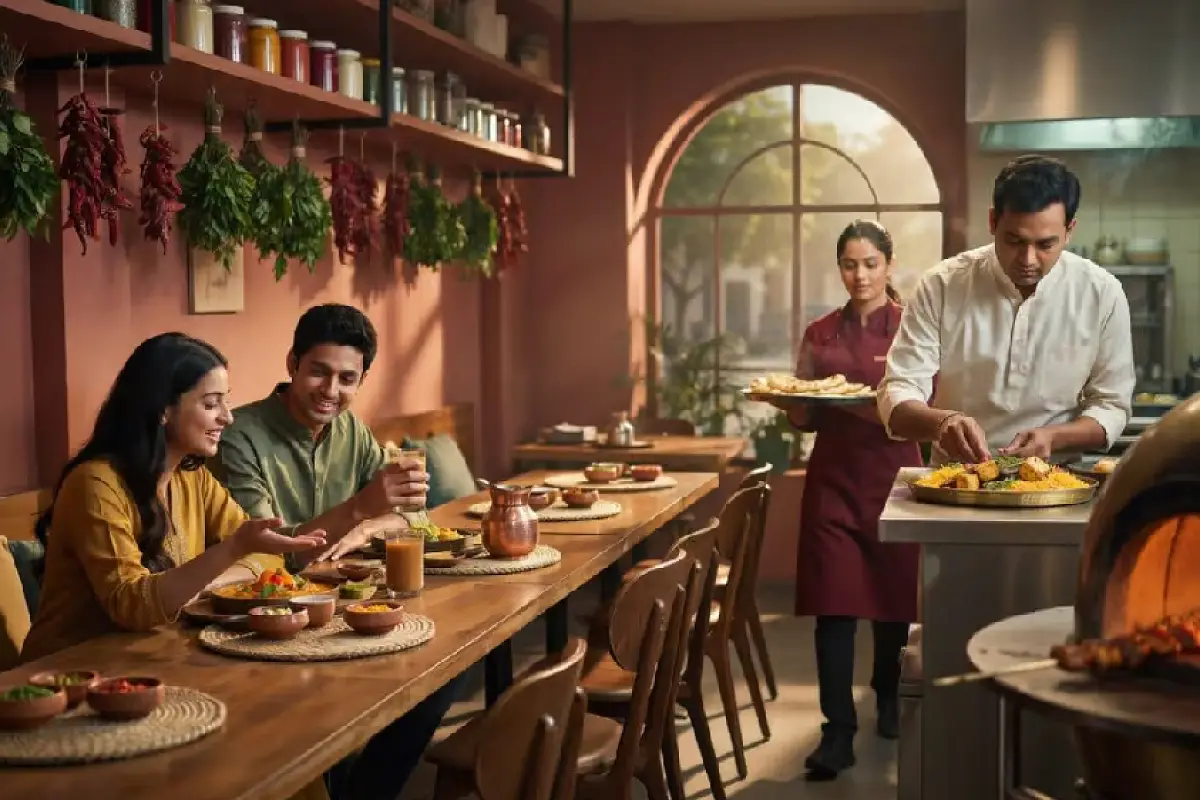
NEW DELHI, July 8, 2026 — India’s restaurant industry enters a new growth era as foodservice brands increasingly prioritize local relevance, authentic dining experiences, regional cuisine and consumer-centric expansion strategies to strengthen their presence across metro cities as well as emerging markets. Operators are refining menus, investing in experience-led concepts and adopting location-specific business models to meet changing consumer expectations while supporting sustainable long-term growth.
The shift reflects a broader transformation across India's organized foodservice sector. Rather than relying only on rapid outlet expansion, restaurant companies are placing greater emphasis on building stronger customer relationships through localized offerings, regional flavors, technology-driven convenience and consistent service standards.
India Restaurant Industry Focuses on Local Relevance
Restaurant operators across India increasingly recognize that consumers seek dining experiences that reflect local culture and regional tastes. Instead of offering identical menus nationwide, many brands now tailor recipes, ingredients and seasonal specials to suit individual markets.
This localized approach helps restaurants connect with neighborhood communities while improving customer loyalty. Industry observers note that diners increasingly value authenticity, making regional adaptation an important competitive advantage.
Several national restaurant chains have introduced city-specific dishes, regional desserts and locally inspired beverages alongside their signature menus. Independent restaurants are also expanding by showcasing traditional recipes with contemporary presentation, attracting both local guests and travelers looking for authentic culinary experiences.
Regional Cuisine Moves into the Mainstream
India's culinary diversity continues to influence restaurant growth strategies. Brands are expanding beyond widely recognized North Indian and Indo-Chinese offerings by introducing cuisines from Kerala, Maharashtra, Assam, Nagaland, Goa, Tamil Nadu, Karnataka and other regions.
Consumers are increasingly willing to explore unfamiliar flavors, encouraging restaurants to highlight traditional cooking methods, indigenous ingredients and regional food heritage. This trend has created opportunities for specialty dining concepts that celebrate local culinary traditions while maintaining modern hospitality standards.
Restaurant consultants say regional cuisine also allows brands to differentiate themselves in an increasingly competitive market where customers actively seek memorable dining experiences instead of standardized menus.
Authentic Dining Experiences Shape Consumer Decisions
Dining decisions increasingly depend on more than food quality alone. Restaurant operators are investing in thoughtfully designed interiors, open kitchens, chef interactions, storytelling, cultural themes and personalized hospitality to create distinctive guest experiences.
Many consumers now consider atmosphere, service consistency and overall value alongside menu selection before choosing where to dine. Experience-driven concepts have become particularly important among younger urban diners, families and professionals who view restaurants as destinations for social gatherings and celebrations.
Technology also supports these experiences through digital reservations, contactless payments, loyalty programs and personalized customer engagement, allowing operators to better understand dining preferences and improve repeat visits.
Consumer-Centric Expansion Becomes a Strategic Priority
Restaurant companies are increasingly adopting data-driven expansion strategies instead of pursuing aggressive outlet growth alone. Consumer demographics, purchasing behavior, local competition and neighborhood demand now play a central role in selecting new locations.
Brands are also expanding into Tier II and Tier III cities where rising disposable incomes, improving infrastructure and growing interest in organized dining continue to create new business opportunities. Rather than replicating identical store formats, operators are introducing flexible restaurant models that match local market conditions.
Industry executives believe this measured expansion strategy helps improve operational efficiency while building stronger long-term customer relationships across diverse geographic markets.
More information about Indian cuisine and its regional diversity can be explored through Indian cuisine history and traditions.
Businesses monitoring hospitality expansion trends can also explore restaurant industry growth trends for 2026 to understand how regional food concepts are shaping dining markets.