Innovative Menu Ideas Restaurants Are Using to Attract Modern Diners
Restaurants are introducing innovative menu ideas, from fusion dishes to interactive dining concepts, to attract modern diners seeking unique culinary experiences.
 Prajakta Sanjay Warwadkar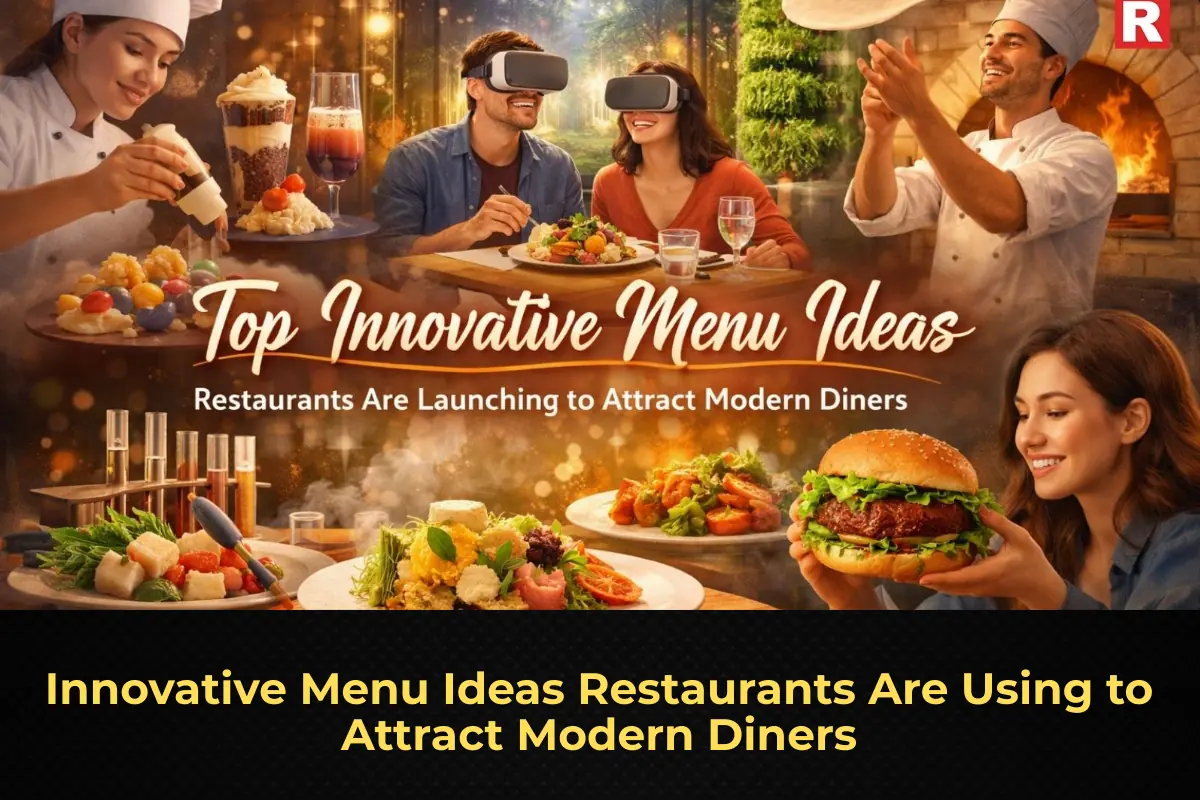
Restaurants Turn to Innovation to Engage Modern Diners
The restaurant industry is continuously evolving as operators introduce creative menu ideas to attract modern diners. Changing consumer preferences, social media influence, and growing interest in global cuisines are encouraging restaurants to experiment with new dishes and dining concepts.
From fusion recipes to interactive meal experiences, innovative menus are helping restaurants stand out in an increasingly competitive foodservice market. These strategies aim to capture the attention of younger consumers while offering memorable dining experiences.
By combining creativity with culinary expertise, restaurants are redefining how menus are designed and presented.
Fusion Flavors and Global Inspirations
One of the most prominent trends in menu innovation is the use of fusion cuisine. Restaurants are blending culinary traditions from different regions to create unique dishes that offer familiar flavors with a modern twist.
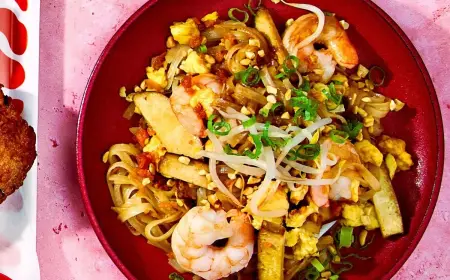
Examples include combining Asian and Mediterranean ingredients, introducing international street-food inspired dishes, and reimagining traditional recipes with contemporary presentation styles.
Such combinations appeal to diners who enjoy exploring diverse flavors without stepping too far away from familiar tastes.
Reinventing Classic Dishes
Many restaurants are also reinventing classic dishes by introducing new ingredients, cooking methods, or presentation techniques. Traditional comfort foods are being transformed with premium ingredients, plant-based alternatives, or gourmet toppings.
This approach allows restaurants to maintain the popularity of familiar menu items while offering customers something fresh and exciting.
Reinvented classics often become signature dishes that help define a restaurant’s brand identity.
Interactive and Customizable Dining
Customization is another key trend shaping modern restaurant menus. Diners increasingly want the ability to personalize their meals based on taste preferences, dietary choices, or nutritional goals.
Restaurants are responding by offering build-your-own meal options, customizable bowls, and mix-and-match ingredient selections.
This interactive approach not only enhances customer engagement but also creates a more personalized dining experience.
Experiential Dining Concepts
Beyond customization, some restaurants are introducing experiential elements such as tableside preparation, live cooking stations, and tasting menus that allow guests to explore multiple dishes.
These experiences turn meals into events, encouraging customers to share their dining moments on social media platforms.
Such visibility helps restaurants gain organic marketing through customer-generated content.
Health‑Focused and Sustainable Options
Health-conscious dining continues to influence menu development across the restaurant industry. Many establishments are adding plant-based dishes, low-calorie options, and nutrient-rich ingredients to cater to evolving consumer preferences.
Sustainability is also becoming a priority, with restaurants highlighting locally sourced ingredients and environmentally friendly cooking practices.
These changes reflect a broader shift toward responsible dining and transparency in food preparation.
Plant‑Based Innovation
The rise of plant-based cuisine has encouraged restaurants to experiment with vegetarian and vegan alternatives that replicate the taste and texture of traditional meat dishes.
Creative use of legumes, mushrooms, grains, and plant-based proteins allows chefs to develop flavorful dishes that appeal to both vegetarian and non-vegetarian diners.
This trend is expected to continue shaping restaurant menus as demand for sustainable food options grows.
Presentation and Social Media Appeal
In the digital age, the visual presentation of food plays a crucial role in attracting diners. Colorful dishes, artistic plating, and unique serving styles often become popular on social media platforms.
Restaurants are designing menu items that are not only delicious but also visually striking, making them more likely to be photographed and shared online.
This form of organic promotion helps restaurants reach wider audiences without relying solely on traditional marketing.
Limited‑Time and Seasonal Offerings
Another strategy used by restaurants is introducing limited-time menu items and seasonal dishes. These offerings create excitement among customers and encourage repeat visits.
Seasonal menus also allow chefs to experiment with fresh ingredients that are available only during certain times of the year.
By regularly updating their menus, restaurants can maintain customer interest and adapt to changing culinary trends.
The Future of Restaurant Menu Innovation
As the restaurant industry continues to evolve, innovation will remain a key factor in attracting and retaining customers. Diners increasingly value creativity, authenticity, and personalization in their dining experiences.
Restaurants that successfully combine these elements are likely to build stronger brand identities and customer loyalty.
With ongoing experimentation and global culinary influences, the future of restaurant menus promises to be both diverse and exciting.