Israeli Restaurant Scene Adapts to Changing Consumer Trends and Economic Pressures
Restaurants in Israel are adapting to shifting consumer preferences and economic pressures, adjusting menus, pricing, and dining formats to remain competitive in 2026.
 Prajakta Sanjay Warwadkar
Israeli Restaurant Scene Adapts to Changing Consumer Trends and Economic Pressures
Restaurants across Israel are adjusting their operations in 2026 to respond to shifting consumer preferences, rising costs, and evolving dining habits, as the country’s foodservice industry navigates a period of economic and behavioral change. Operators are revising menus, pricing strategies, and service formats to remain competitive in an increasingly challenging market.
The changes are being driven by a combination of factors, including inflationary pressures, higher ingredient and operational costs, and a noticeable shift in how consumers choose to dine. Industry stakeholders say the current environment is forcing restaurants to become more agile and customer-focused.
Rising Costs Reshape Operations
Restaurant operators in Israel are facing rising costs across multiple fronts, including raw materials, labor, and utilities. These increases are putting pressure on margins and forcing businesses to reassess their financial models.
Many establishments have begun implementing cost-control measures, such as optimizing ingredient usage, renegotiating supplier contracts, and streamlining kitchen operations. These adjustments are aimed at maintaining profitability without significantly compromising quality.
The cost environment has made efficiency a top priority, with operators focusing on sustainable practices to manage long-term financial stability.
Menu Adjustments Reflect Consumer Demand
Menus are evolving to reflect both cost considerations and changing consumer preferences. Restaurants are introducing more flexible offerings, including smaller portions, shared plates, and value-driven dishes that appeal to budget-conscious diners.
There is also a growing emphasis on locally sourced ingredients, which can help reduce costs while aligning with consumer interest in sustainability and freshness. Seasonal menus are becoming more common, allowing restaurants to adapt quickly to market conditions.
These changes demonstrate a shift toward more dynamic and responsive menu strategies in the Israeli dining sector.
Shift in Dining Habits
Consumer behavior is playing a significant role in shaping the restaurant landscape. Diners are becoming more selective about when and where they eat out, often prioritizing value and experience over frequency.
Casual dining and fast-casual formats are gaining traction, as they offer affordability and convenience without sacrificing quality. At the same time, higher-end establishments are focusing on delivering unique experiences to justify premium pricing.
The balance between affordability and experience has become a key factor influencing customer decisions.
Technology and Delivery Integration
Technology is increasingly central to restaurant operations in Israel, with digital tools being used to improve efficiency and customer engagement. Online ordering, delivery platforms, and contactless payment systems have become standard across many establishments.
Restaurants are also leveraging data analytics to better understand customer preferences and optimize their offerings. This data-driven approach allows operators to make informed decisions about pricing, menu design, and marketing strategies.
The integration of technology is helping businesses adapt more quickly to changing market conditions.
Focus on Experience and Differentiation
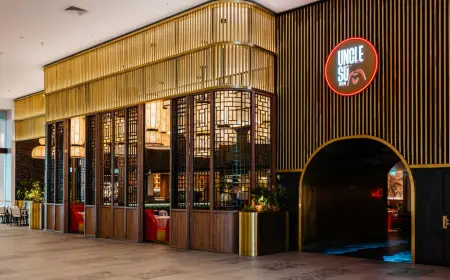
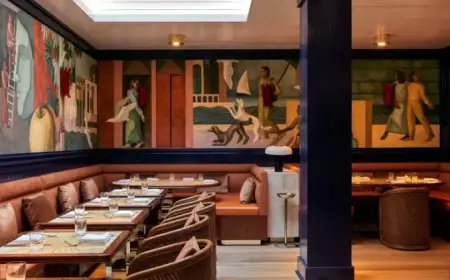
As competition intensifies, restaurants are placing greater emphasis on creating distinctive dining experiences. Interior design, ambiance, and service quality are being enhanced to attract customers and encourage repeat visits.
Experiential dining, including themed concepts and interactive elements, is becoming more prominent, particularly in urban areas. These initiatives are designed to differentiate brands in a crowded marketplace.
Restaurants that successfully combine quality food with a memorable experience are better positioned to maintain customer loyalty.
Challenges for Independent Operators
Independent restaurants are particularly vulnerable to the current economic pressures, as they often lack the financial resources and scale of larger chains. Many are being forced to make difficult decisions, including reducing staff, limiting operating hours, or revising business models.
Despite these challenges, independent operators continue to play a vital role in the diversity and creativity of Israel’s dining scene. Their ability to innovate and adapt remains a key strength.
Support from local communities and targeted business strategies are critical for their survival and growth.
Industry Outlook
The Israeli restaurant industry is expected to continue evolving as operators respond to economic conditions and consumer trends. Flexibility, innovation, and efficiency will be essential for long-term success.
While challenges persist, the sector’s resilience and adaptability provide a foundation for recovery and growth. Businesses that can effectively balance cost management with customer experience are likely to emerge stronger.
Ongoing changes in consumer behavior and market dynamics will continue to shape the future of dining in Israel.
Conclusion
Israel’s restaurant sector is undergoing a period of transformation in 2026, with operators adapting to rising costs and shifting consumer expectations as they work to sustain growth and competitiveness in a dynamic market.