Korean Food Culture in Chennai: How the Hallyu Wave Conquered Local Palates
Explore the rise of Korean food culture in Chennai. From K-pop influence to the surge in authentic BBQ, discover how Korean cuisine found a second home in South India.
 Prajakta Sanjay Warwadkar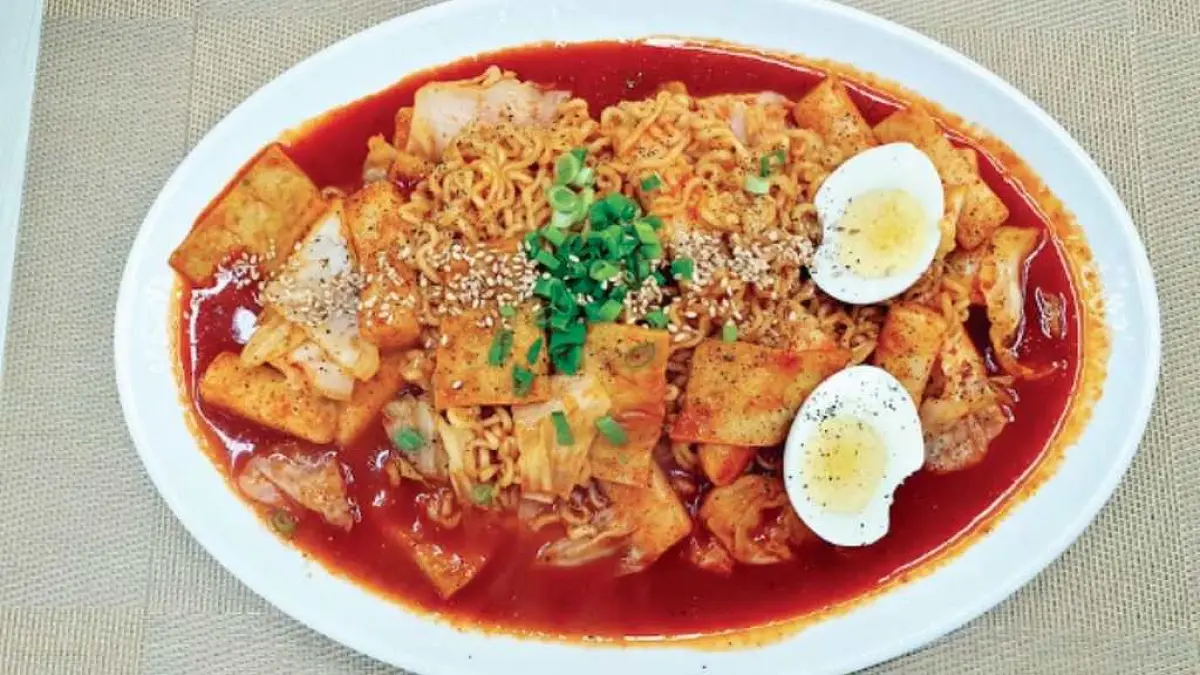
Korean Food Culture in Chennai: The Journey from Industrial Roots to Global Gastronomy
Talk in the kitchens is getting louder about one thing, korean food culture in chennai has officially broken out of its expat shell and landed hard on the city’s mainstream plate.
This didn’t flip overnight. It crept in through factory townships, late-night cravings, and curiosity sparked on screens. Now it’s everywhere. From stone-pot bibimbap to fiery tteokbokki, dining rooms are packed with college kids, office crews, and first-timers chasing heat and hype.
The shift tracks closely with broader restaurant industry growth 2026 signals. Chennai had a head start. Korean industrial giants like Hyundai built the base. Food followed the workforce. And then it stuck.
What used to be quiet suburban kitchens is now a city-wide pull. And it’s not slowing down.
The Hallyu Wave: K-Dramas and K-Pop as Culinary Catalysts
The latest buzz from the dining floor suggests screens did what marketing couldn’t, sell the plate. The rise of korean food culture in chennai is tied directly to the Hallyu wave.
Owners say guests walk in with screenshots. Not menus. Screenshots. They point at ramen bowls, fried chicken, bubbling stews. “This one,” they say.
The Social Media Effect on Dining Trends
Instagram and TikTok did the heavy lifting. Korean food looks good. Bright colors. Grill smoke. Endless sides. It sells itself on camera.
Local creators stepped in and simplified the play. How to eat. What to order. How spicy is too spicy. That’s what brought cautious diners through the door.
K-Pop Fan Events and Themed Cafes
And then came the fandoms.
BTS. Blackpink. Their fans turned cafés into hangouts. Birthday events. Album drops. Korean snacks on the table. Music in the background.
For this crowd, korean food culture in chennai isn’t just food. It’s identity. And they’re not afraid of bold flavors, fermented, funky, or fiery.
The Industrial Connection: Chennai's "Little Korea"
But here’s the real backbone, industry.
Unlike other cities chasing trends, korean food culture in chennai grew out of factory belts like Sriperumbudur and Oragadam. Korean expats needed home-style food. Kitchens opened to serve them.
Then locals working alongside them got curious. And curious turned into regular.
From Expats to Everyone: The Suburban Shift
Early 2000s? You had to hunt for these places. Adyar. Alwarpet. Tucked away.
Now? Prime streets. Mall spaces. Full-scale Korean BBQ houses.
This is no longer niche. It’s a full-market play.
Maintaining Authenticity in a New Market
Keeping it real isn’t easy.
Chefs are either Korean or trained the hard way, under strict kitchens that don’t cut corners. Key ingredients still come in from abroad. Gochugaru. Gochujang.
But there’s a local twist behind the scenes. Farmers in Tamil Nadu now grow Korean-style cabbage and radish. Supply chains are tightening. Quality is holding.
The Flavor Profile Sync: Why Chennaiites Love Korean Food
Here’s the kicker, this wasn’t a tough sell.
Korean food culture in chennai works because the flavor logic lines up. Rice-heavy meals. Fermentation. Heat. It all feels familiar.
Different origin. Same instincts.
The Comfort of Rice and Stews
Kimchi-jjigae hits like rasam or sambar. Hot. Sour. Comforting.
And banchan? That’s basically a thali system in disguise. Small plates. Variety. Constant refills.
It clicks instantly.
Customizing Spice Levels for the Indian Palate
Some kitchens tweak the heat. Not the recipe, just the punch.
But truth is, Chennai doesn’t need much dialing down. College ramyun challenges prove it. The city can handle spice. And then some.
The Rise of Korean BBQ and Interactive Dining
If there’s one format driving korean food culture in chennai, it’s the grill table.
Guests cook their own meat. Flip, sear, wrap, eat. It’s loud. It’s social. It keeps people at the table longer.
And that’s good for business.
Health Conscious Choices and Fermentation
Post-2024, diners started cleaning up their plates. Less junk. More balance.
Korean food fits. Lean meats. Vegetables. Fermented sides.
Kimchi now sits in supermarket shelves, not just restaurant fridges.
Vegetarian and Vegan Adaptations
Chennai’s vegetarian base forced kitchens to adapt fast.
Mushrooms. Tofu. Soy proteins.
Vegetarian bibimbap and kimchi pancakes are now regular orders. Not alternatives, core menu items.
Future Outlook: Is the Trend Sustainable?
Restaurateurs are finally flagging this as more than a trend. korean food culture in chennai is locking into the city’s long game.
Supply chains are growing. Training programs are coming up. Grocery shelves are stocked.
This is infrastructure. Not hype.
Expanding to Tier-2 Cities in Tamil Nadu
Coimbatore. Madurai. They’re next.
The Chennai model is already being watched. Expect smaller formats, street food kiosks, fast casual, maybe even premium dining plays.
The Role of Home Cooking and Meal Kits
And it’s moving into homes.
DIY meal kits. Ready sauces. Seaweed packs. Gochujang jars in local stores.
Korean food is no longer a night-out plan. It’s entering everyday cooking.
That’s when you know it’s here to stay.