London’s Georgian Restaurant Dakadaka Draws Attention as Diners Seek New Culinary Experiences
A Georgian restaurant in London’s West End is attracting attention from diners and food critics as interest grows in lesser-known international cuisines across the UK dining scene.
 Prajakta Sanjay Warwadkar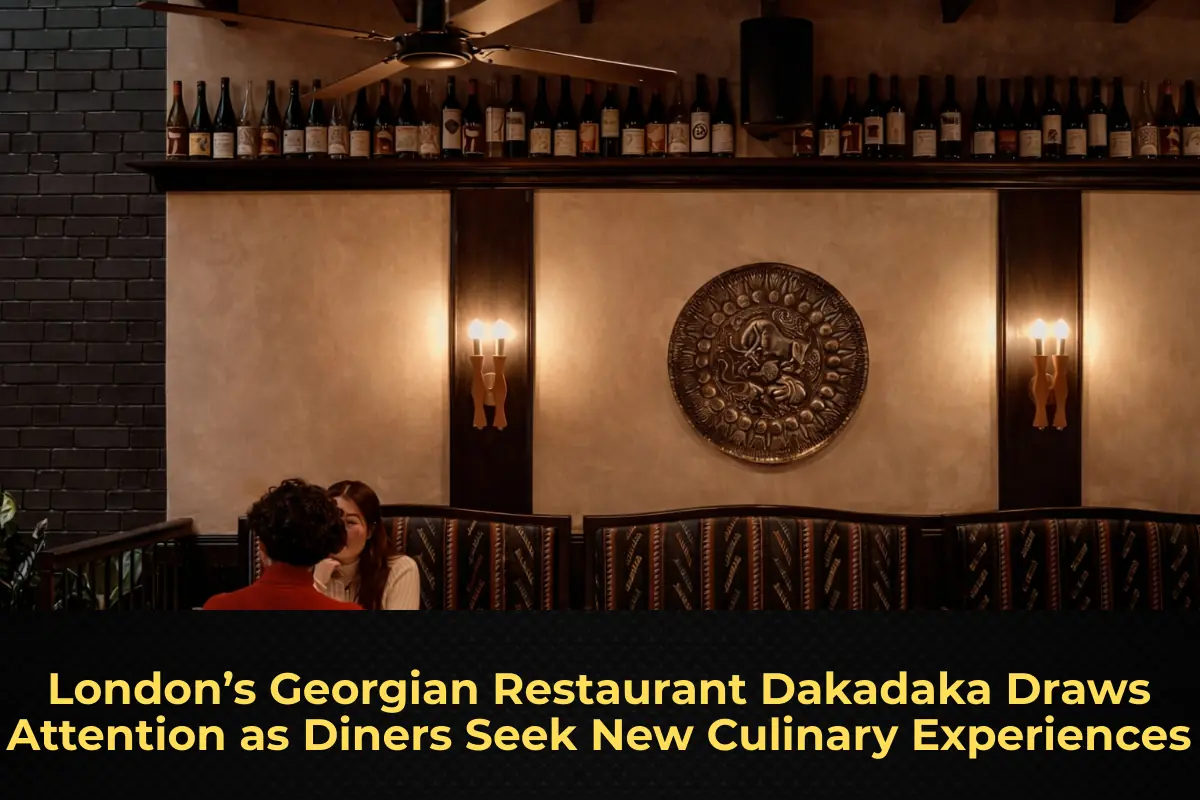
Georgian Restaurant Dakadaka Gains Attention in London’s Competitive Dining Scene
A Georgian restaurant in central London is drawing increasing interest from diners and food critics as curiosity grows around lesser-known international cuisines in the United Kingdom’s restaurant industry. Dakadaka, located in London’s West End, has become a focal point for food enthusiasts seeking new culinary experiences beyond traditional European and Mediterranean offerings.
The restaurant has gained visibility following a prominent restaurant review highlighting its distinctive menu and cultural identity. As London continues to cement its reputation as one of the world’s most diverse dining capitals, venues showcasing regional cuisines from across the globe are finding new audiences eager to explore unfamiliar flavors and cooking traditions.
Dakadaka’s arrival reflects a broader shift in the hospitality sector where restaurants centered on specific cultural cuisines are increasingly attracting attention from both diners and industry observers.
Introducing Georgian Cuisine to a Wider Audience
Georgian cuisine remains relatively unfamiliar to many diners in the United Kingdom despite its rich culinary heritage. Originating from the country of Georgia, located at the crossroads of Eastern Europe and Western Asia, the cuisine blends influences from multiple cultures while maintaining distinctive cooking techniques and ingredients.
Traditional Georgian dishes often feature freshly baked breads, slow-cooked meats, vegetable stews, herbs, and cheese-based specialties. A hallmark of Georgian cooking is the use of vibrant spices and fresh herbs that bring bold yet balanced flavors to the table.
Restaurants like Dakadaka are introducing these traditional elements to London diners by presenting classic dishes in accessible formats while maintaining the authenticity of the cuisine. For many guests, dining at such venues offers both a culinary experience and a cultural discovery.
London’s Growing Appetite for Global Flavors
London’s restaurant industry has long been known for its diversity, with cuisines from across Asia, Africa, Europe, and the Americas represented throughout the city. However, the growing popularity of regional and niche cuisines suggests that diners are increasingly interested in exploring culinary traditions that were previously less visible in mainstream dining.
Food experts say this shift reflects a broader trend in global hospitality, where diners seek authenticity and cultural storytelling alongside quality cooking. Restaurants that highlight traditional preparation methods and regional ingredients often stand out in an increasingly competitive market.
Georgian cuisine, with its combination of hearty comfort food and vibrant flavors, has begun to capture attention among adventurous diners in London. The emergence of dedicated Georgian restaurants is helping build awareness of a culinary tradition that has historically remained underrepresented outside its home region.
Signature Dishes Showcase Georgian Culinary Heritage
Menus at Georgian restaurants typically feature a range of dishes that highlight the country’s distinctive cooking style. Bread-based specialties filled with cheese or meats are among the most recognizable offerings, often served alongside stews and grilled meats.
Vegetable dishes also play an important role in Georgian cuisine, with recipes frequently incorporating walnuts, garlic, herbs, and aromatic spices. These ingredients create complex flavors that distinguish Georgian food from many neighboring culinary traditions.
Dakadaka’s menu introduces diners to a selection of these classic dishes, presenting them in a setting designed to evoke the convivial atmosphere associated with Georgian dining culture. Meals are often intended to be shared, encouraging guests to sample multiple dishes and experience the full range of flavors.
The Role of Restaurant Reviews in Shaping Public Interest
Restaurant reviews remain a powerful influence in the hospitality industry, particularly in a city like London where competition among dining establishments is intense. Coverage by prominent food critics can quickly raise the profile of a restaurant, attracting diners eager to experience newly recommended venues.
For smaller or niche restaurants, such attention can be especially significant. A well-publicized review often leads to increased reservations, expanded media coverage, and greater public awareness of the cuisine being featured.
In the case of Dakadaka, critical attention has helped introduce Georgian cuisine to audiences who may have previously been unfamiliar with it. As a result, the restaurant is becoming part of a wider conversation about culinary diversity in London.
Hospitality Entrepreneurs Embrace Cultural Identity
The rise of restaurants centered on specific national or regional cuisines reflects changing strategies among hospitality entrepreneurs. Rather than competing solely through scale or luxury, many operators are focusing on authenticity and cultural storytelling as key elements of their brand identity.
This approach allows restaurants to differentiate themselves in crowded markets while offering diners meaningful experiences connected to heritage and tradition. By showcasing the culinary practices of their home countries, restaurateurs can introduce new perspectives to established dining scenes.
For chefs and restaurant owners, the concept also provides an opportunity to celebrate cultural roots while building businesses that appeal to modern urban audiences.
Dining Experiences Beyond the Food
Restaurants highlighting lesser-known cuisines often extend their cultural storytelling beyond the dishes themselves. Interior design, music, and service style may all contribute to creating an environment that reflects the restaurant’s cultural inspiration.
Such elements can transform a meal into a broader cultural experience, allowing diners to connect with traditions from other parts of the world. In cities with international populations like London, these dining environments resonate with both local residents and international visitors.
As consumers increasingly seek memorable experiences rather than routine restaurant visits, venues offering immersive cultural elements can attract strong customer loyalty.
The Role of Culinary Diversity in London’s Economy
London’s status as a global city has long supported a vibrant restaurant sector that reflects its multicultural population. The diversity of cuisines available across the city contributes significantly to its tourism appeal and hospitality economy.
Visitors frequently identify dining as a key part of their travel experience, exploring restaurants that represent cultures from around the world. The presence of unique culinary concepts helps reinforce London’s reputation as one of the world’s most exciting food destinations.
Restaurants introducing new cuisines also contribute to job creation, local economic activity, and the broader hospitality ecosystem that supports suppliers, farmers, and food producers.
Future Prospects for Emerging Culinary Concepts
The growing attention around restaurants like Dakadaka suggests that interest in emerging culinary concepts is likely to continue expanding. As diners become more adventurous and global travel exposes consumers to a wider variety of cuisines, demand for authentic international dining experiences is expected to grow.
Hospitality analysts note that the success of niche cuisine restaurants often encourages other entrepreneurs to explore similar opportunities. This process can gradually introduce entire culinary traditions to new markets.
For Georgian cuisine in particular, the increased visibility created by restaurants in major cities could pave the way for wider recognition in the global dining landscape.
As London’s restaurant sector continues to evolve, establishments showcasing distinctive culinary traditions are expected to remain an important part of the city’s dynamic and ever-changing dining culture.