LPG Cylinder Shortage Raises Concerns for Restaurants and Hotels Across India
An LPG cylinder shortage linked to global supply disruptions and Middle East tensions is creating challenges for restaurants and hotels across India, raising concerns about kitchen operations and food service continuity.
 Prajakta Sanjay Warwadkar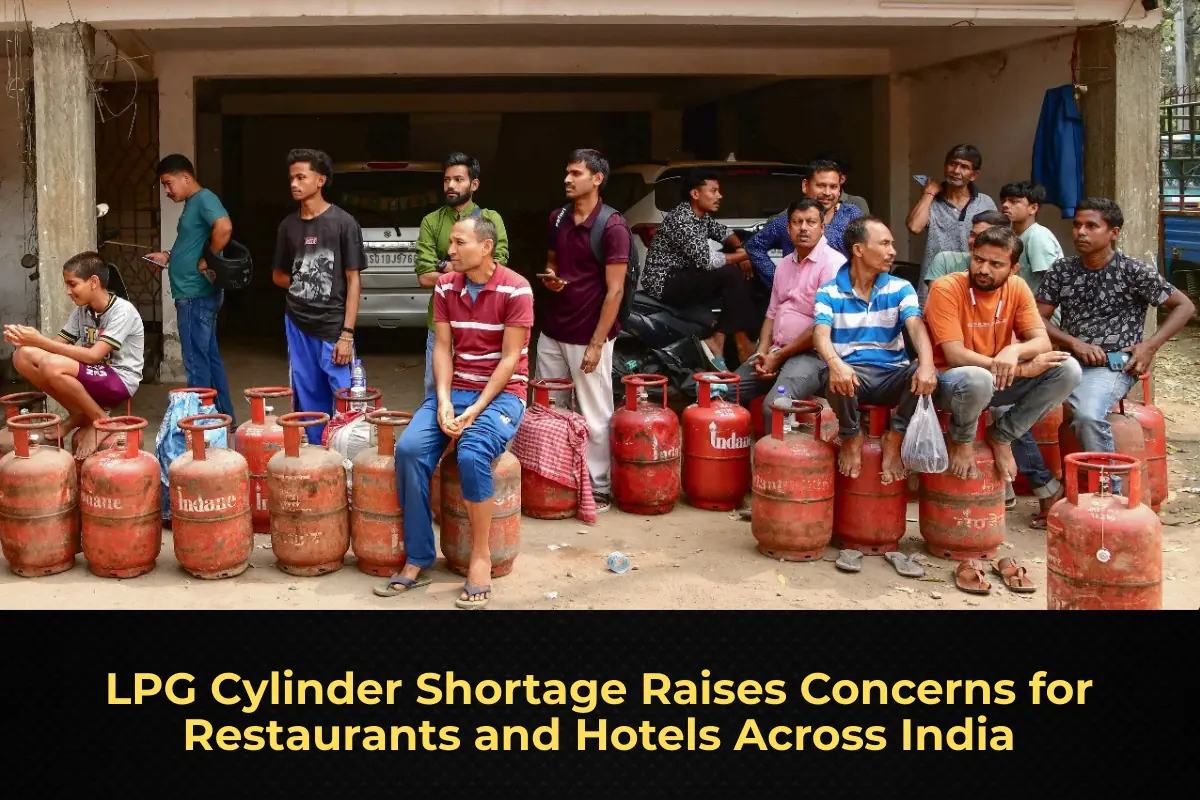
LPG Supply Concerns Begin to Impact the Hospitality Industry
The hospitality sector in India is facing growing uncertainty as reports of an LPG cylinder shortage begin to affect restaurants, hotels, and foodservice businesses across several regions. Liquefied Petroleum Gas (LPG), a primary cooking fuel used by commercial kitchens, has become increasingly difficult to procure in recent days, prompting concern among restaurant operators and hospitality professionals.
The supply disruption is believed to be linked to global geopolitical developments and fluctuations in international energy markets. In particular, tensions in the Middle East have raised concerns about global oil and gas supply chains, indirectly affecting the availability of LPG in several countries, including India.
For restaurants and hotels that rely heavily on consistent cooking fuel supplies, even short-term disruptions can create operational challenges. As a result, industry stakeholders are closely monitoring the situation while exploring strategies to maintain uninterrupted kitchen operations.
The Importance of LPG in Restaurant and Hotel Kitchens
LPG is one of the most widely used cooking fuels in commercial kitchens throughout India. From small independent eateries to large hotel chains, LPG cylinders power stoves, ovens, and various kitchen appliances essential for preparing food at scale.
Unlike residential consumers who typically use smaller cylinders for household cooking, restaurants often rely on larger commercial cylinders that are consumed at a significantly higher rate. A single busy restaurant kitchen may use multiple cylinders in a single day depending on its volume of orders and menu complexity.
Because of this dependence, any interruption in LPG supply can quickly become a serious operational concern for the hospitality industry.
Operational Challenges in Commercial Kitchens
Restaurants operate in highly time-sensitive environments where efficiency and consistency are critical. Chefs and kitchen teams rely on uninterrupted fuel supply to prepare meals quickly and maintain service standards.
When LPG availability becomes uncertain, kitchen teams must carefully manage their fuel consumption. This may involve adjusting cooking schedules, prioritizing certain menu items, or preparing ingredients in batches to conserve energy.
Such adjustments can help mitigate the immediate impact of supply disruptions but may also place additional pressure on restaurant staff and operations.
Global Energy Market Pressures
The LPG shortage concerns in India are closely tied to developments in the global energy market. LPG is produced during the refining of crude oil and natural gas processing, meaning its availability can be influenced by geopolitical events that affect oil production and transportation.
Recent tensions in parts of the Middle East have contributed to uncertainty in global energy supply chains. The region plays a crucial role in global oil production, and disruptions or perceived risks in the area can quickly impact fuel markets worldwide.
Although LPG shortages in India are currently being monitored and managed, the situation highlights how interconnected global energy markets have become.
Supply Chain Vulnerabilities
Energy supply chains involve complex networks of production facilities, shipping routes, storage terminals, and distribution systems. Any disruption along this chain can affect availability at the local level.
For countries that rely on imported energy resources, geopolitical developments can sometimes influence domestic supply even when local infrastructure remains stable.
This interconnected system means that events occurring thousands of miles away may eventually impact everyday business operations, including restaurant kitchens.
Hospitality Industry Response
Restaurant associations and hospitality organizations across India have begun monitoring the LPG supply situation closely. Industry representatives have emphasized the importance of ensuring stable fuel availability for commercial establishments.
The hospitality sector is a significant contributor to employment and economic activity, with restaurants, hotels, and catering businesses serving millions of customers each day. Maintaining uninterrupted kitchen operations is therefore essential not only for businesses but also for the broader service economy.
Industry groups have encouraged authorities and energy distributors to prioritize the smooth distribution of LPG to commercial users while managing supply constraints.
Advisories for Restaurant Operators
In response to potential shortages, several hospitality bodies have issued advisories encouraging restaurant operators to adopt fuel-saving measures where possible. These recommendations are designed to help kitchens operate efficiently while minimizing unnecessary LPG consumption.
Some suggested practices include pre-soaking grains and legumes to reduce cooking time, preparing food in larger batches, and optimizing kitchen workflows to minimize energy usage.
While such strategies cannot fully replace stable fuel supply, they can help restaurants manage operations more effectively during periods of uncertainty.
Impact on Small and Independent Restaurants
Smaller restaurants and independent food outlets are often the most vulnerable during supply disruptions. Unlike large hotel chains that may have backup systems or larger fuel storage capacity, small establishments typically rely on regular cylinder deliveries to sustain daily operations.
If supply delays occur, these businesses may face immediate operational constraints. In extreme cases, restaurants may need to temporarily reduce service hours or limit menu offerings until fuel supplies stabilize.
This vulnerability highlights the importance of reliable distribution systems for essential resources such as cooking gas.
Balancing Costs and Operations
Energy costs are already a significant component of restaurant operating expenses. Fluctuations in fuel prices or availability can add additional financial pressure on businesses that operate on relatively thin profit margins.
Restaurant owners often need to balance rising operational costs with customer expectations for affordable dining experiences. As a result, prolonged supply disruptions could create additional challenges for businesses already navigating competitive market conditions.
Maintaining stable fuel supply therefore remains critical to ensuring the long-term sustainability of the hospitality sector.
Government and Energy Sector Monitoring
Authorities and energy suppliers are closely monitoring LPG distribution to ensure that both domestic and commercial consumers receive adequate supply. India maintains an extensive LPG distribution network that includes storage facilities, transportation systems, and dealer networks across the country.
Energy companies often adjust distribution strategies during periods of supply stress to ensure that critical sectors continue receiving fuel. The hospitality industry, which serves large numbers of consumers daily, is considered an important part of the service economy.
By coordinating with distributors and monitoring consumption patterns, authorities aim to maintain stability in the supply chain.
Ensuring Supply Continuity
Ensuring continuity in fuel supply requires coordination between multiple stakeholders, including energy companies, logistics providers, distributors, and government agencies. These entities work together to manage storage levels, transportation schedules, and allocation priorities.
During periods of global uncertainty, proactive planning and efficient distribution become particularly important. Maintaining transparent communication between suppliers and industry representatives can also help businesses prepare for potential disruptions.
Such coordination helps reduce the risk of sudden shortages and ensures that essential services continue operating smoothly.
The Broader Economic Implications
The hospitality industry plays an important role in India’s economy, contributing to tourism, employment, and local business development. Restaurants and hotels are central to urban life and cultural experiences, serving both residents and visitors.
Fuel supply disruptions can therefore have ripple effects beyond the restaurant sector. If kitchens face operational difficulties, the impact may extend to food suppliers, delivery services, and tourism-related businesses.
Ensuring stability in key operational resources such as cooking fuel is therefore important for maintaining broader economic activity.
Resilience in the Hospitality Sector
The hospitality industry has historically demonstrated resilience in the face of challenges ranging from economic fluctuations to supply disruptions. Restaurant operators often adapt quickly by adjusting menus, optimizing resources, and implementing operational efficiencies.
While the current LPG supply concerns are being closely monitored, industry professionals remain focused on maintaining service continuity and delivering consistent dining experiences to customers.
This adaptability is one of the reasons the hospitality sector continues to recover and grow even during periods of uncertainty.
Looking Ahead
The LPG cylinder shortage concerns underscore the importance of stable energy supply for industries that rely heavily on fuel for daily operations. For restaurants and hotels, reliable cooking gas availability is essential to maintaining consistent service and meeting customer expectations.
As global energy markets continue to evolve, hospitality businesses may increasingly explore strategies to improve energy efficiency and diversify fuel options where feasible. These measures could help strengthen operational resilience in the long term.
In the immediate future, the hospitality sector will continue working with energy providers and authorities to ensure that kitchen operations remain uninterrupted. Maintaining collaboration between industry stakeholders will be crucial in navigating the current situation and ensuring that restaurants and hotels across India continue serving millions of diners every day.