Major UK Food Chain CEO Issues Warning on Rising Costs and Consumer Spending Pressures
A major UK food chain CEO has raised concerns over rising costs and weakening consumer spending, highlighting ongoing pressures in the hospitality sector.
 Prajakta Sanjay Warwadkar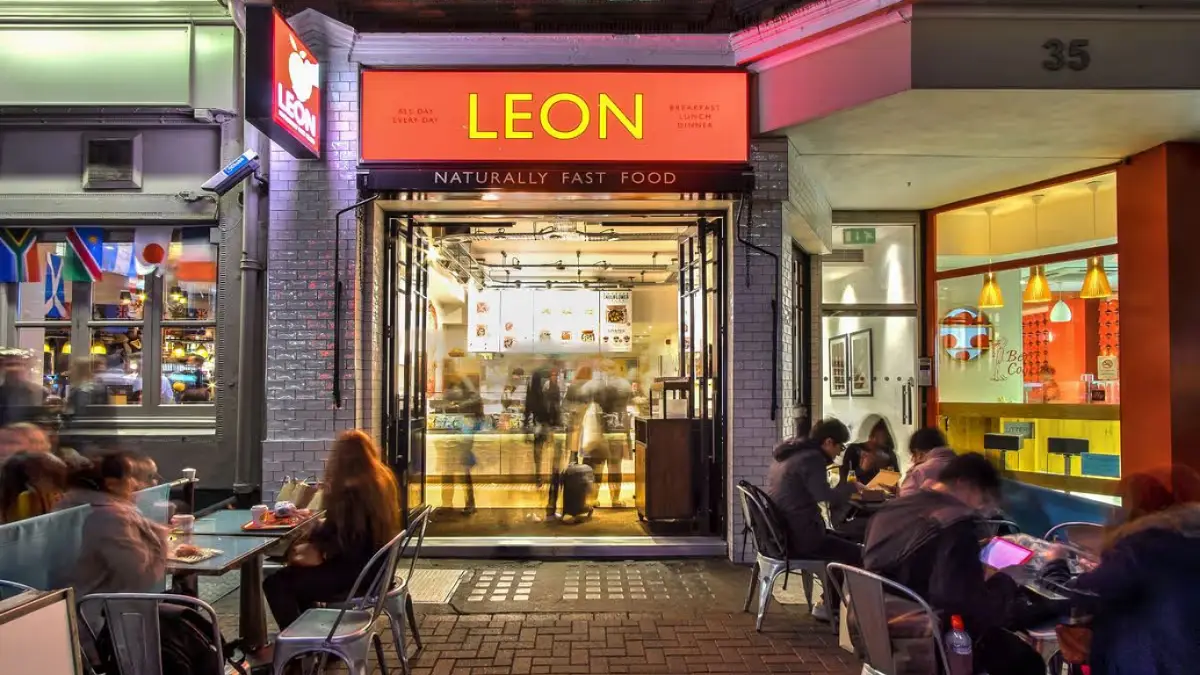
The chief executive of a major UK food chain has raised concerns over mounting cost pressures and shifting consumer spending patterns, highlighting ongoing challenges facing the country’s hospitality sector in 2026. The warning reflects a combination of rising operational expenses and cautious customer behavior impacting restaurant performance.
The comments come amid continued economic uncertainty, with operators across the foodservice industry reporting increased input costs alongside fluctuating demand. The executive noted that while trading conditions remain active, spending habits are becoming more restrained, affecting overall revenue growth.
Rising Costs Across Operations
The restaurant sector in the UK is facing sustained cost increases across multiple areas, including food ingredients, energy, and labor. These rising expenses are placing pressure on margins, particularly for large chains operating at scale. Operators are being forced to reassess pricing strategies and cost management practices to maintain profitability.
The CEO highlighted that inflationary pressures continue to affect supply chains, with procurement costs remaining elevated. Energy bills and wage requirements are also contributing to higher operational expenditure, making it increasingly challenging for businesses to absorb costs without passing them on to customers.
This cost environment is prompting many restaurant groups to streamline operations and focus on efficiency, while also exploring ways to protect customer value perception.
Changing Consumer Spending Patterns
Alongside cost pressures, the industry is experiencing a shift in consumer behavior, with diners becoming more selective in their spending. Customers are increasingly prioritizing value, often reducing frequency of visits or opting for lower-priced menu items.
The CEO indicated that while footfall has not declined significantly, average transaction values are under pressure as consumers adjust to broader economic conditions. This trend is particularly evident in casual dining and quick-service segments, where price sensitivity is more pronounced.
Restaurants are responding by adjusting menus, introducing promotions, and focusing on affordability to retain customer engagement. However, balancing value offerings with rising costs remains a key challenge.
Impact on Business Strategy
The current operating environment is influencing strategic decisions across the foodservice sector. Restaurant chains are increasingly focusing on cost control, operational efficiency, and targeted marketing to navigate the pressures.
Menu engineering has become a critical tool, with operators analyzing product performance to identify items that can deliver both profitability and customer appeal. Simplifying menus and optimizing supply chains are also being used to manage costs effectively.
In addition, businesses are investing in digital channels and delivery services to diversify revenue streams and adapt to evolving customer preferences.
Industry-Wide Challenges
The concerns raised by the food chain executive reflect broader challenges across the UK hospitality industry. Rising costs and cautious consumer spending are affecting operators of all sizes, from independent restaurants to large chains.
Industry bodies have previously highlighted the impact of inflation, taxation, and regulatory requirements on business sustainability. The current environment underscores the need for continued adaptation and resilience within the sector.
Despite these challenges, the industry continues to operate with a focus on maintaining service standards and customer experience, even as financial pressures persist.
Outlook for the Hospitality Sector
The CEO’s comments suggest that the near-term outlook for the UK restaurant industry will remain shaped by economic conditions and consumer confidence. Operators are expected to continue adjusting strategies to align with changing market dynamics.
While demand for dining experiences remains present, the balance between affordability and profitability is becoming increasingly critical. Restaurants will need to navigate this environment carefully to sustain growth and maintain competitiveness.
The situation highlights the importance of flexibility and operational discipline in responding to external pressures, as the sector continues to adapt to evolving economic realities.