Majority of Consumers Report Rising Restaurant and Street Food Prices Amid LPG Shortage, Survey Finds
A new survey reveals that over half of consumers are experiencing rising restaurant and street food prices, driven by ongoing LPG shortages impacting the foodservice sector.
 Prajakta Sanjay Warwadkar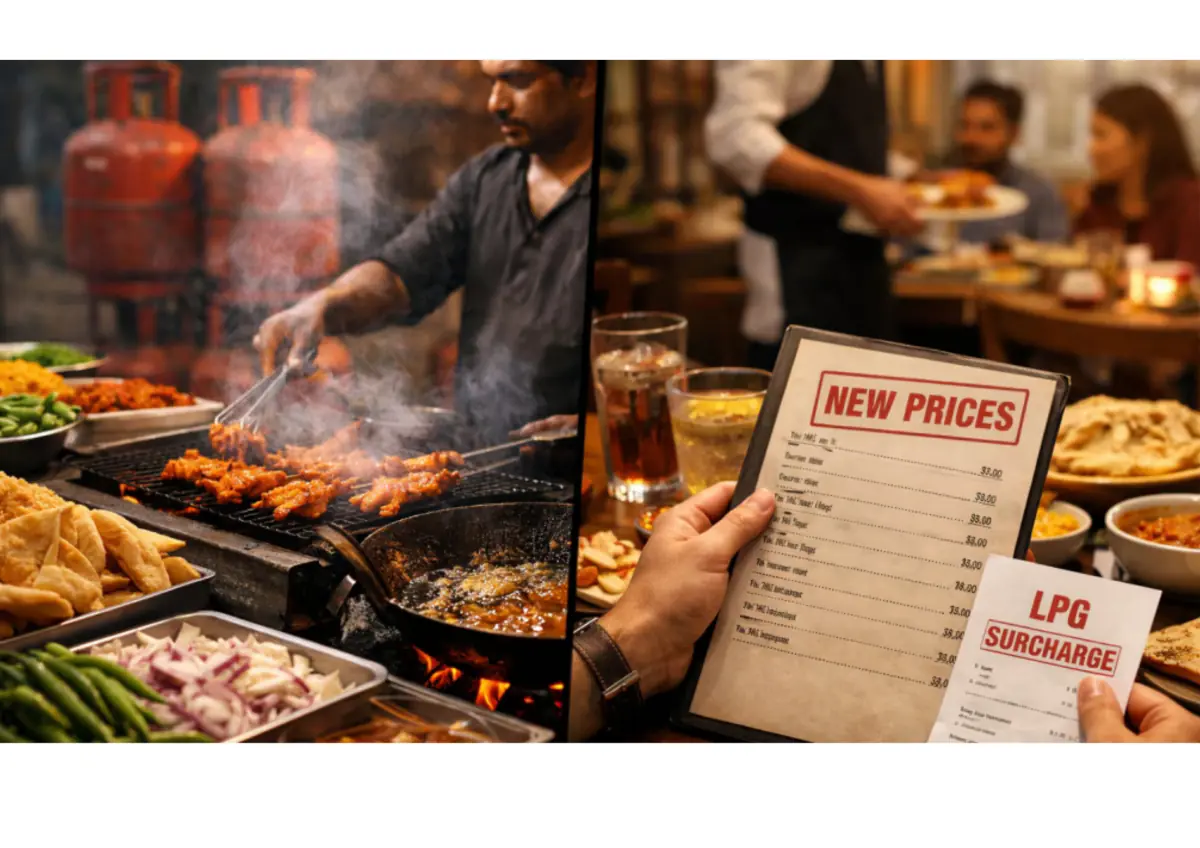
Majority of Consumers Report Rising Restaurant and Street Food Prices Amid LPG Shortage, Survey Finds
A majority of consumers have reported an increase in restaurant and street food prices in 2026, driven largely by an ongoing liquefied petroleum gas (LPG) shortage, according to a recent survey. The findings highlight growing cost pressures across the foodservice industry, as operators struggle with rising fuel expenses that are directly impacting menu pricing and consumer spending patterns.
The survey indicates that 57% of respondents have noticed higher prices at restaurants, while 54% said street food has also become more expensive. The data underscores the widespread nature of the issue, affecting both formal dining establishments and informal food vendors across multiple regions.
Fuel Shortage Drives Cost Increases
The LPG shortage has emerged as a key factor contributing to rising operational costs for restaurants and street food vendors alike. LPG is a primary fuel source for cooking in the foodservice industry, and disruptions in supply have led to increased prices and inconsistent availability.
As fuel costs rise, operators are left with limited options: absorb the additional expenses or pass them on to consumers. Many businesses, particularly small and independent operators, have opted for price increases to maintain profitability and sustain operations.
Industry stakeholders note that fuel price volatility has a cascading effect on the entire supply chain, influencing not only cooking costs but also transportation and ingredient pricing.
Impact on Restaurants and Street Vendors
The survey findings highlight that both organized restaurants and street food vendors are experiencing similar challenges. While restaurants may have more structured pricing strategies, street vendors often operate on thin margins, making them especially vulnerable to cost fluctuations.
For street food vendors, even minor increases in fuel costs can significantly impact daily earnings. As a result, many have been forced to raise prices, reduce portion sizes, or adjust menus to manage expenses.
Restaurants, on the other hand, are balancing price adjustments with customer expectations, attempting to maintain value while covering rising costs. This delicate balance is becoming increasingly difficult as input costs continue to climb.
Changing Consumer Behavior
Rising food prices are also influencing consumer behavior, with diners becoming more price-sensitive and selective in their spending. Some consumers are reducing the frequency of dining out, while others are opting for more affordable options or smaller orders.
The increase in street food prices is particularly notable, as this segment is traditionally viewed as a cost-effective alternative to restaurant dining. The narrowing price gap between street food and casual dining options may further shift consumer preferences in the coming months.
Industry experts suggest that sustained price increases could lead to longer-term changes in dining habits, including greater reliance on home-cooked meals and increased demand for value-driven offerings.
Operational Challenges for the Industry
Beyond fuel costs, restaurants are also dealing with a range of operational challenges, including rising ingredient prices, labor costs, and supply chain disruptions. The LPG shortage has added another layer of complexity, intensifying existing pressures.
Many operators are exploring ways to improve efficiency, such as optimizing kitchen processes, reducing waste, and negotiating better terms with suppliers. Some are also considering alternative energy sources, though such transitions can require significant investment.
Despite these efforts, the ability to fully offset rising costs remains limited, particularly for smaller businesses with fewer resources.
Calls for Government Support
The survey findings have prompted renewed calls from industry bodies for government intervention to address the LPG shortage and provide relief to the hospitality sector. Stakeholders are advocating for measures such as subsidized fuel rates, improved supply distribution, and policy support to stabilize costs.
Ensuring consistent and affordable access to LPG is seen as critical for maintaining the viability of foodservice businesses, particularly those operating at the lower end of the market.
Without adequate support, prolonged supply disruptions could lead to further price increases, reduced business activity, and potential closures among smaller operators.
Broader Implications for Food Inflation
The rise in restaurant and street food prices reflects broader inflationary trends within the food sector. As input costs continue to increase, the impact is being felt across the value chain, from producers to end consumers.
Food inflation not only affects affordability but also has wider economic implications, influencing consumer spending and overall market dynamics. The hospitality industry, as a key component of the service economy, plays an important role in these trends.
Monitoring and addressing the underlying causes of cost increases will be essential for ensuring stability in the sector.
Industry Outlook
Looking ahead, the trajectory of restaurant and street food prices will depend largely on the resolution of the LPG shortage and broader economic conditions. If supply issues persist, further price adjustments may be necessary, potentially impacting demand.
Operators are expected to continue adapting to the evolving environment by refining their pricing strategies, enhancing operational efficiency, and exploring alternative solutions.
The ability to balance cost management with customer satisfaction will remain a key challenge for the industry in the months ahead.
Conclusion
The survey highlights the significant impact of the LPG shortage on restaurant and street food pricing, with a majority of consumers reporting higher costs as the industry continues to navigate ongoing operational challenges.