Mamak restaurants ask to hire Rohingya amid worker shortage
Malaysia's mamak restaurants, short 25,000 workers, have proposed hiring Rohingya refugees, but the government cited existing labour laws. Read more.
 Prajakta Sanjay Warwadkar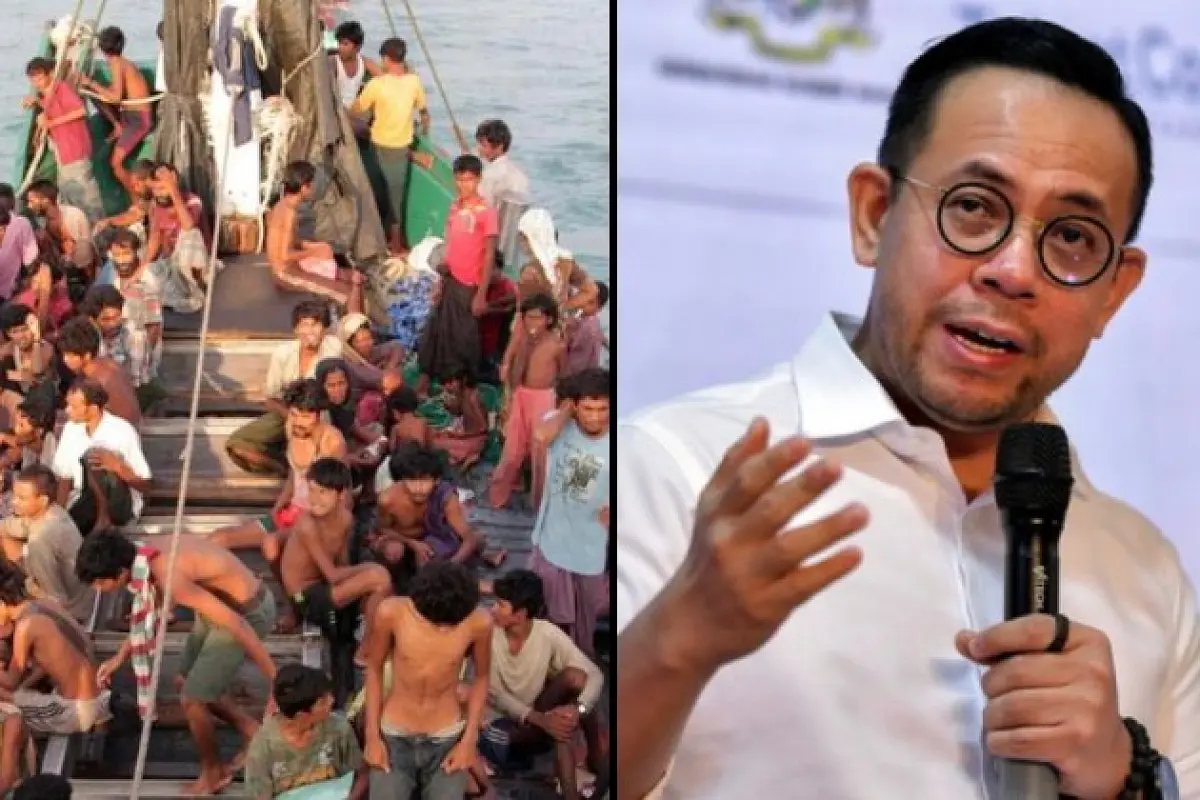
KUALA LUMPUR, June 15, 2026 — Malaysia's mamak restaurant operators, facing a shortage of 25,000 workers, have asked the government for permission to hire Rohingya refugees after struggling to recruit locals. The proposal, put to Human Resources Minister Steven Sim on Sunday, drew a cautious response citing existing laws and policies.
The appeal underscores a labour squeeze across an industry that the Muslim Restaurant Owners Association Malaysia (Presma) says spans more than 12,000 mamak and nasi kandar outlets. It also revives a difficult policy question, since Rohingya refugees in Malaysia have no legal right to work.
Why mamak restaurants want to hire Rohingya workers
Presma president Datuk Jawahir Ali Taib Khan said little local interest through Labour Department channels left operators with no choice but to seek approval for foreign labour, potentially including members of the stateless community already in Malaysia. The association first raised the idea in late January.
The shortage traces to November 2024, when Home Minister Datuk Seri Saifuddin Nasution Ismail announced a halt on hiring foreign workers, a freeze later extended into the first quarter of 2025.
Government cites existing laws
Sim acknowledged the suggestion but did not commit to any change. "They can give suggestions, but we need to look at the suitability," Sim told reporters in Puchong, adding that any proposal must comply with current laws and policies.
He did not specify which laws would apply or whether the government was weighing policy changes. As it stands, the 25,000 vacancies remain unfilled and the proposal unanswered.
A policy gap decades in the making
Analysts say the request sits against a longer institutional gap. Malaysia has never established a formal refugee management mechanism despite an influx dating to the late 1970s, relying on cards issued by the UN refugee agency (UNHCR) in Malaysia for identification a system that counterfeiters have exploited.
Universiti Kebangsaan Malaysia international law professor Dr Salawati Mat Basir said authorities lack full access to UNHCR cardholder biometrics, complicating identity checks. "We are the ones at fault; we were negligent," she said, arguing that letting refugees work is not a new idea but must come with strict controls, a clear policy framework, firm enforcement and coordinated resettlement.
Independent advocacy groups estimate that 180,000 to 200,000 people are seeking refuge in Malaysia, including unregistered individuals.
Read more: Dining Out Trends 2026: Why People Prefer Dining Out Over Cooking More Than Ever
Rise of Experience-Based Restaurants: Why Are They Taking Over Dining?