McDonald’s India Expands Presence with New Metro-Connected Restaurant in Hyderabad
McDonald’s India has opened a new restaurant at the metro-connected Irrum Manzil hub in Hyderabad, strengthening its urban expansion and accessibility strategy in 2026.
 Prajakta Sanjay Warwadkar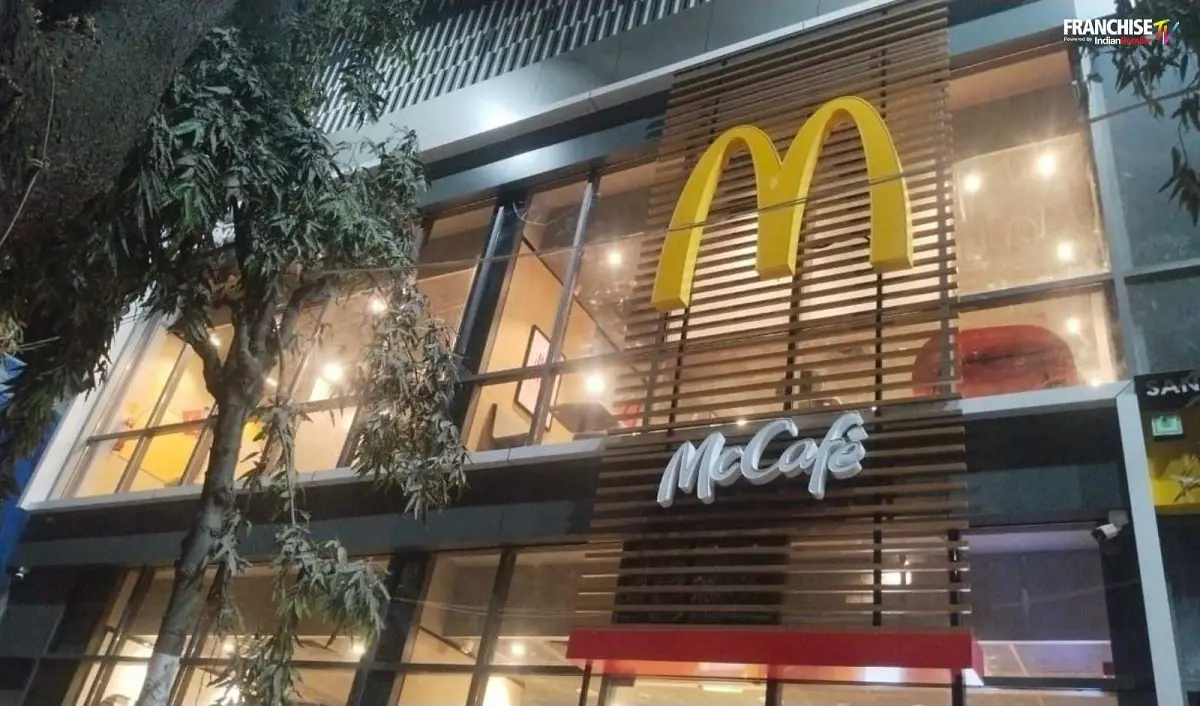
McDonald’s India Expands Presence with New Metro-Connected Restaurant in Hyderabad
McDonald’s India has opened a new restaurant at the metro-connected Irrum Manzil hub in Hyderabad in 2026, marking a strategic move to strengthen its urban footprint by leveraging high-traffic transit locations and improving accessibility for commuters and city residents.
The new outlet, located within a key metro hub in the city, is designed to cater to a diverse customer base, including daily commuters, office workers, and local residents. The opening reflects the company’s ongoing expansion strategy in India, focusing on convenience-driven formats and high-visibility locations.
Strategic Location at Metro Hub
The Irrum Manzil metro station is a significant transit point in Hyderabad, connecting major parts of the city and experiencing consistent footfall throughout the day. By establishing a presence at this location, McDonald’s aims to tap into a steady stream of customers seeking quick, accessible dining options.
Metro-connected restaurants are becoming an increasingly popular format for quick-service restaurant operators, as they provide direct access to urban consumers and support high turnover through constant traffic flow.
This approach aligns with broader urban development trends where transportation hubs double as commercial spaces.
Focus on Convenience and Accessibility
The new restaurant is designed to prioritize convenience, with quick service, efficient ordering systems, and a layout that accommodates both dine-in and takeaway customers. The format caters to time-sensitive consumers, particularly those commuting through the metro network.
Accessibility is a key factor in the location strategy, allowing customers to easily access the outlet without deviating from their travel routes. This is expected to enhance customer engagement and increase frequency of visits.
The emphasis on convenience reflects changing consumer behavior, where speed and ease of access play a crucial role in dining decisions.
Expansion Strategy in Urban Markets
McDonald’s India has been actively expanding its presence in urban markets, focusing on high-density areas and transit-oriented developments. The Hyderabad opening is part of a broader effort to strengthen its footprint in key metropolitan cities.
The company continues to explore opportunities in locations that offer high visibility and consistent customer traffic, including shopping centers, business districts, and transportation hubs.
This expansion strategy aims to capture a larger share of the growing quick-service restaurant market in India.
Adapting to Evolving Consumer Preferences
Consumer preferences in India’s food service sector are evolving, with increasing demand for quick, affordable, and easily accessible meal options. Urban consumers, in particular, are seeking dining solutions that fit into their fast-paced lifestyles.
Quick-service restaurants are responding by optimizing formats and locations to meet these expectations. The integration of restaurants within transit hubs is one such adaptation, offering convenience without compromising on service quality.
McDonald’s continues to tailor its offerings and formats to align with these changing preferences.
Role of Technology in Enhancing Experience
The new outlet is expected to incorporate digital ordering systems and streamlined service processes to improve efficiency and reduce wait times. Technology plays a key role in enhancing customer experience, particularly in high-traffic locations where speed is essential.
Self-order kiosks, mobile ordering, and contactless payment options are increasingly becoming standard features in modern quick-service restaurants. These tools not only improve operational efficiency but also contribute to customer satisfaction.
The integration of technology supports the brand’s focus on delivering a seamless dining experience.
Impact on Local Dining Landscape
The opening of a new McDonald’s outlet at a prominent metro hub is expected to influence the local dining landscape, attracting both regular customers and new visitors. The presence of a well-known global brand can increase footfall in the area and contribute to the development of surrounding commercial activity.
Other food and beverage operators may also benefit from increased traffic, creating a more dynamic and competitive environment. The addition of such outlets enhances the overall appeal of transit hubs as lifestyle destinations.
This development reflects the growing convergence of transportation and retail in urban planning.
Employment and Economic Contribution
The new restaurant is likely to generate employment opportunities, contributing to the local economy. Staffing requirements for operations, customer service, and management roles provide job opportunities for the community.
In addition to direct employment, the outlet supports supply chain activities, including sourcing of ingredients and logistics. These contributions play a role in strengthening the broader food service ecosystem.
The expansion of restaurant chains continues to have a positive impact on economic activity in urban areas.
Competitive Dynamics in Hyderabad
Hyderabad’s restaurant industry is highly competitive, with a mix of international chains, national brands, and local operators catering to diverse consumer preferences. The entry of new outlets in strategic locations intensifies competition and drives innovation.
Quick-service restaurants are particularly active in expanding their presence, focusing on accessibility and convenience to attract customers. The metro-connected format provides a competitive advantage by offering direct access to high-traffic areas.
Operators must continue to innovate and differentiate to maintain their market position.
Future Expansion Plans
The opening at Irrum Manzil is expected to be part of a larger pipeline of expansions for McDonald’s India. The company is likely to continue exploring similar opportunities in other cities, particularly in locations that combine high footfall with strong connectivity.
Transit-oriented developments, including metro stations and transport hubs, are expected to remain a key focus area for future growth. These locations offer scalability and consistent demand, making them attractive for expansion.
The strategy aligns with long-term growth objectives in India’s rapidly evolving food service market.
Conclusion
The launch of McDonald’s new metro-connected restaurant in Hyderabad highlights the brand’s focus on accessibility and urban expansion, as it continues to adapt to changing consumer behavior and capitalize on high-traffic locations in India’s competitive restaurant industry.