New Restaurant Replaces Short-Lived Thai Eatery in Las Vegas Dining Scene
A new restaurant has opened in Las Vegas, replacing a short-lived Thai eatery and reflecting ongoing shifts and competition in the city’s dynamic dining market.
 Prajakta Sanjay Warwadkar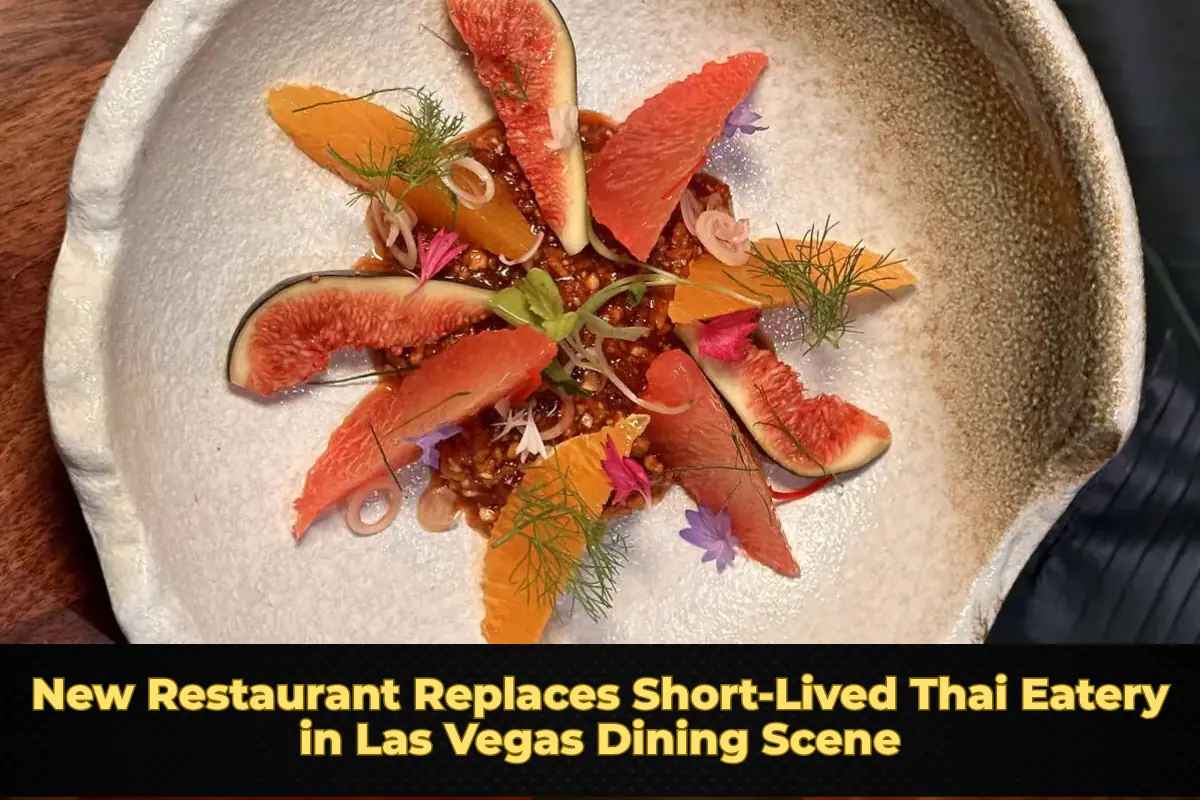
New Restaurant Replaces Short-Lived Thai Eatery in Las Vegas Dining Scene
A new restaurant has opened in Las Vegas in March 2026, taking over the space previously occupied by a short-lived Thai eatery, highlighting the fast-paced and highly competitive nature of the city’s hospitality industry. The latest development underscores ongoing shifts in the local dining landscape, where operators frequently adapt to changing consumer preferences and market pressures.
The newly launched establishment replaces a Thai restaurant that closed after a brief run, signaling the challenges faced by niche concepts in a market known for its diversity and high customer expectations. Located in a prominent dining area, the new venue aims to attract both residents and tourists seeking fresh culinary experiences.
Rapid Turnover Reflects Competitive Market
Las Vegas is widely recognized as one of the most competitive restaurant markets in the United States, with a constant influx of new concepts and a high rate of turnover. The closure of the Thai eatery and its swift replacement illustrates how quickly the market evolves, as businesses respond to performance outcomes and shifting demand.
Restaurants in the city often face intense competition not only from independent operators but also from celebrity chefs, global brands, and large hospitality groups. This environment requires continuous innovation and strong execution to maintain customer interest and financial viability.
The opening of the new restaurant reflects a broader trend where underperforming venues are rapidly replaced by new concepts better aligned with current market trends.
Adapting to Changing Consumer Preferences
Consumer preferences in Las Vegas are constantly evolving, influenced by tourism trends, social media, and a growing appetite for unique dining experiences. While Thai cuisine remains popular globally, success in a competitive market like Las Vegas depends on factors such as location, pricing, branding, and overall guest experience.
The new restaurant is expected to position itself strategically to appeal to a wide audience, potentially offering a concept that aligns more closely with current consumer expectations. This may include menu innovation, experiential dining elements, or a focus on trending cuisines.
Operators in the city are increasingly prioritizing adaptability, ensuring that their offerings remain relevant in a fast-changing environment.
Challenges for Short-Lived Restaurant Concepts
The brief lifespan of the previous Thai eatery highlights the operational and financial challenges faced by new restaurant ventures. High rents, labor costs, and marketing expenses can create significant pressure, particularly in high-profile markets like Las Vegas.
Additionally, attracting consistent foot traffic is essential for sustainability, especially in areas that rely heavily on tourism. Restaurants that fail to establish a strong identity or differentiate themselves may struggle to compete.
The experience of the former tenant serves as a reminder of the risks associated with launching a new concept in a saturated market.
Opportunities for New Entrants
Despite the challenges, Las Vegas continues to offer opportunities for innovative restaurant concepts. The city’s status as a global tourism hub ensures a steady flow of potential customers, creating a favorable environment for businesses that can deliver compelling dining experiences.
The new restaurant entering the space has the advantage of learning from its predecessor, allowing it to refine its strategy and address potential gaps in the market. Success will depend on its ability to attract attention and build a loyal customer base.
Restaurants that can combine quality, value, and a memorable atmosphere are more likely to thrive in this competitive landscape.
Impact on Local Dining Ecosystem
The replacement of one restaurant with another contributes to the dynamic nature of Las Vegas’s dining ecosystem. Frequent openings and closures create a constantly evolving mix of options for consumers, enhancing the city’s reputation as a culinary destination.
This turnover also drives innovation, as operators seek to differentiate themselves and capture market share. New concepts often introduce fresh ideas, influencing broader industry trends and raising overall standards.
For diners, this means access to a diverse range of cuisines and experiences, even as individual establishments come and go.
Strategic Considerations for Success
To succeed in Las Vegas, restaurants must carefully consider factors such as location, branding, menu design, and pricing. Effective marketing and a strong digital presence are also critical in attracting both locals and tourists.
Operational efficiency and cost management play a key role in ensuring long-term sustainability, particularly in a market with high overhead costs. Staff training and service quality are equally important in delivering a consistent customer experience.
The new restaurant’s ability to execute these strategies will determine its success in replacing its predecessor and establishing itself in the market.
Broader Industry Trends
The transition from a short-lived Thai eatery to a new restaurant concept reflects broader trends in the global hospitality industry. Increasing competition, rising costs, and changing consumer expectations are driving frequent changes in restaurant portfolios.
Operators are becoming more data-driven in their decision-making, using insights to refine concepts and improve performance. Flexibility and innovation are emerging as key factors in navigating these challenges.
As the industry continues to evolve, markets like Las Vegas will remain at the forefront of experimentation and change.
Future Outlook
The opening of the new restaurant marks another chapter in Las Vegas’s ever-changing dining scene. While the previous tenant’s closure highlights the risks involved, the new concept represents an opportunity to capture market demand and establish a successful presence.
As competition intensifies, restaurants will need to focus on delivering value, quality, and unique experiences to stand out. The city’s dynamic environment ensures that only the most adaptable and innovative operators will thrive.
The new restaurant’s performance in the coming months will serve as an indicator of how well it can navigate the challenges and opportunities of this competitive market.
Conclusion
A new restaurant has replaced a short-lived Thai eatery in Las Vegas, reflecting the city’s fast-moving dining industry as operators continue to adapt to competition and evolving consumer preferences.