Organic Fera Fruit Oil Launch Transforms Restaurant Frying Standards
Organic Fera fruit oil is redefining restaurant frying with a seed oil-free solution offering longer fry life, cleaner taste, and better performance.
 Prajakta Sanjay Warwadkar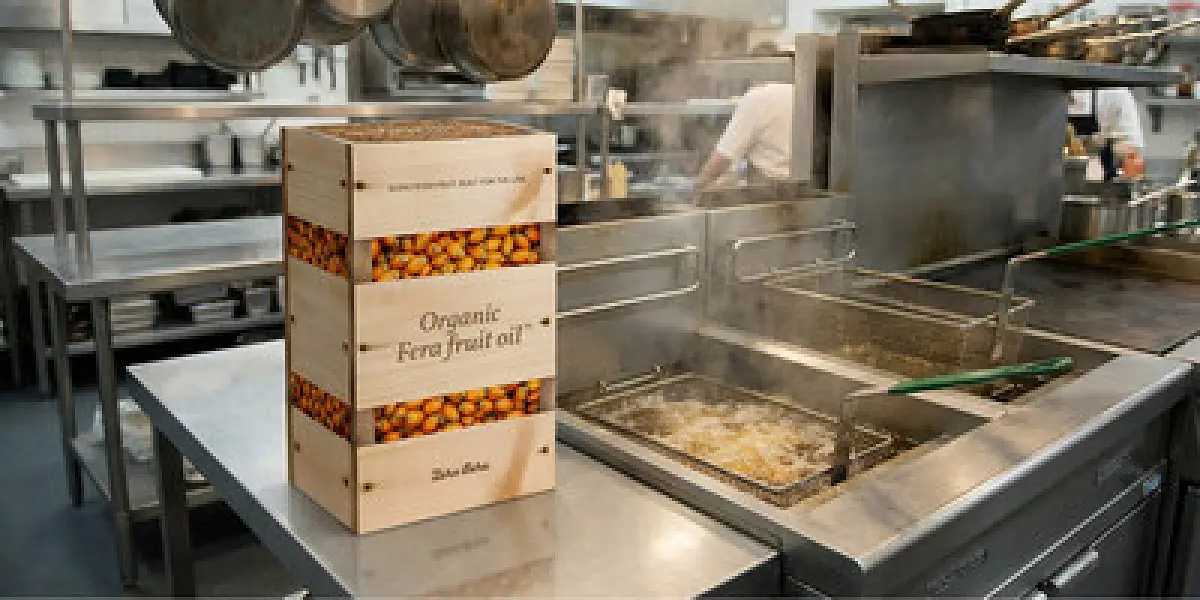
Organic Fera fruit oil is emerging as a major innovation in commercial kitchens, as Zero Acre Farms introduces a new seed oil-free frying solution designed to improve performance, efficiency, and food quality across the restaurant industry.
The launch of organic Fera fruit oil marks a significant shift in how restaurants approach frying, a process that has traditionally relied on conventional seed oils such as soybean and canola. With growing awareness around ingredient quality, sustainability, and health-conscious dining, operators are now seeking alternatives that align with modern expectations.
Organic Fera Fruit Oil Brings a New Standard to Restaurant Frying
The introduction of organic Fera fruit oil represents a breakthrough in restaurant frying technology. Unlike traditional oils derived from seeds, this product is made from a single ingredient—fruit sourced from regenerative farms. This approach eliminates the need for chemical processing and offers a cleaner, more stable cooking medium.
Restaurants using organic Fera fruit oil report improved frying consistency and better food presentation. The oil’s stability under high heat allows it to maintain performance during long service hours, which is critical in busy commercial kitchens.
Additionally, the oil supports a “clean-fried” standard, where food retains its natural flavor without absorbing excess grease. This results in a lighter texture and a more refined dining experience for customers.
Performance Benefits in High-Volume Kitchens
One of the key advantages of organic Fera fruit oil is its extended fry life. In testing and early adoption across multiple restaurant formats, the oil has demonstrated the ability to last significantly longer than conventional alternatives.
This durability reduces the frequency of oil changes, helping operators cut down on waste and operational costs. For restaurants managing high volumes of fried items, this translates into measurable efficiency gains.
The oil also maintains a neutral taste profile, ensuring that flavors remain consistent across different menu items. This is particularly important for multi-cuisine kitchens where cross-flavor contamination can impact dish quality.
Why Restaurants Are Moving Away from Seed Oils
The rise of organic Fera fruit oil is closely linked to growing concerns about traditional seed oils. These oils, commonly used in frying, contain high levels of polyunsaturated fats that can break down under prolonged heat exposure.
As these oils degrade, they may produce off-flavors and reduce the overall quality of fried food. This has led chefs and operators to explore alternatives that offer greater stability and better taste outcomes.
Organic Fera fruit oil addresses these concerns by providing a more heat-resistant option. Its composition allows it to withstand continuous frying without compromising flavor or texture.
Health and Consumer Perception
Modern diners are increasingly aware of the ingredients used in food preparation. This shift has influenced restaurant menus, with greater emphasis on transparency and quality.
By adopting organic Fera fruit oil, restaurants can communicate a commitment to better cooking practices. The absence of seed oils, combined with cleaner frying results, aligns with consumer preferences for healthier dining options.
This positioning also supports premium branding, as diners associate improved ingredient quality with higher-value dining experiences.
Operational Efficiency and Cost Management
In addition to quality improvements, organic Fera fruit oil offers operational advantages. Its longer lifespan reduces the need for frequent replacements, which can significantly lower overall costs in commercial kitchens.
Restaurants also benefit from reduced downtime associated with oil changes. This allows kitchen teams to maintain consistent service during peak hours.
Furthermore, the oil’s ability to maintain clarity and performance over time helps streamline kitchen processes, making it easier to manage large-scale frying operations.
Environmental and Sustainability Impact
Sustainability is another key factor driving adoption. Organic Fera fruit oil is sourced from regenerative farms, which focus on maintaining soil health and reducing environmental impact.
Compared to traditional oil crops, the production process requires less land and supports more efficient resource use. This aligns with the hospitality industry’s growing focus on sustainable sourcing.
For restaurant brands, integrating such products into their operations contributes to broader environmental goals while enhancing brand reputation.
Adoption Across the Restaurant Industry
Organic Fera fruit oil is already being adopted by a range of restaurant operators, from independent eateries to established dining groups. Its versatility makes it suitable for various cuisines and cooking styles.
Early adopters include high-profile restaurants known for their focus on quality and innovation. These establishments are using the oil to enhance menu offerings while maintaining consistency across dishes.
The growing adoption indicates a broader shift within the industry, where ingredient innovation is becoming a key differentiator in competitive markets.
Integration into Existing Kitchen Systems
One of the reasons for the rapid adoption of organic Fera fruit oil is its compatibility with existing kitchen equipment. Restaurants can integrate the oil into their current frying systems without requiring significant modifications.
This ease of implementation reduces barriers to adoption and allows operators to transition quickly without disrupting operations.
As a result, the oil is gaining traction across different segments, including quick-service restaurants, casual dining establishments, and premium outlets.
Future of Frying Technology in Hospitality
The launch of organic Fera fruit oil highlights a broader trend in the hospitality industry toward innovation in core kitchen processes. While menu creativity has long been a focus, there is now increasing attention on the ingredients and methods used behind the scenes.
Frying, one of the most widely used cooking techniques, is undergoing a transformation as new technologies and products enter the market. Organic Fera fruit oil is part of this evolution, offering a modern solution that addresses both operational and consumer-driven needs.
Looking ahead, the adoption of such innovations is expected to accelerate as restaurants continue to adapt to changing market dynamics. From sustainability to efficiency and customer experience, the factors influencing decision-making are becoming more interconnected.
Conclusion
The introduction of organic Fera fruit oil represents a meaningful advancement in restaurant frying. By combining performance, sustainability, and quality, it offers a comprehensive solution for modern kitchens.
As the hospitality industry continues to evolve, products like organic Fera fruit oil are likely to play a central role in shaping the future of food preparation. For operators seeking to enhance efficiency while meeting consumer expectations, this innovation provides a compelling path forward.