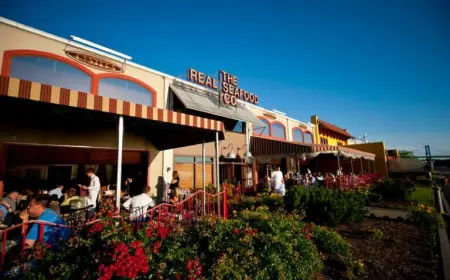
Restaurant Lets Diners Pay What They Want as Costs Rise
Pay what you want restaurant concepts are drawing attention as diners cut spending and restaurants search for new ways to stay busy. Read more
 Prajakta Sanjay Warwadkar
WASHINGTON, May 25, 2026 — A growing number of diners across the United States are cutting back on restaurant visits as food prices and daily expenses continue climbing. In response, at least one restaurant has started experimenting with a pay-what-you-want model, giving customers flexibility at checkout while trying to keep tables full during a slower dining season.
The idea sounds unusual at first, maybe even risky. But restaurant operators say customers are becoming more cautious with spending, especially when eating out feels less affordable than it did even a year ago. That shift is forcing businesses to rethink how they attract regular guests without slashing quality or shrinking portions.
Across the restaurant industry, operators are dealing with rising ingredient costs, labor expenses and uneven consumer traffic. Some locations still see packed weekends, sure, but weekday dining has softened in many cities as households watch budgets more carefully.
Pay What You Want Restaurant Model Draws Curiosity
The pay what you want restaurant approach gives diners the option to decide how much they can comfortably spend after a meal. Some guests pay the suggested amount while others contribute a little less, or sometimes more.
Restaurant owners testing the concept say the goal is not charity. Instead, it’s about keeping dining rooms active and building long-term loyalty at a moment when many consumers simply stay home.
Industry analysts note that food inflation continues shaping customer behavior. Grocery prices, rent, fuel and entertainment costs have all added pressure to household spending, and restaurants often become one of the first categories people reduce.
That pressure has become especially visible in casual dining. Several chains and independent restaurants have recently introduced meal bundles, weekday discounts and smaller menu formats to encourage traffic.
Restaurants Face Changing Consumer Habits
Dining habits have shifted steadily since inflation began affecting everyday spending more aggressively. Customers still want restaurant experiences, but many are now choosing fewer visits each month or spending less per outing.
Some diners are skipping appetizers and desserts. Others are moving toward takeout instead of full-service dining. Little changes, honestly, but they add up quickly for restaurant operators.
The restaurant industry has also noticed stronger demand for value-focused menus. Lower-priced combo meals and fixed-price specials are appearing more often across both independent eateries and national chains.
According to hospitality executives, guests are paying closer attention to perceived value rather than premium presentation alone. Restaurants that balance affordability with consistency are performing better in uncertain spending conditions.
Independent Restaurants Search for Flexible Solutions
Independent restaurants often feel economic slowdowns faster because they operate with tighter margins and fewer financial buffers. For many small operators, keeping customer traffic steady matters just as much as average ticket size.
That reality is pushing some businesses toward creative pricing strategies. A few restaurants have tested community nights, donation-based meals or flexible payment systems to maintain relationships with local diners.
The pay what you want restaurant model also creates conversation online. Customers share the experience on social media, and that attention can help smaller businesses increase visibility without large marketing budgets.
Still, the model does not work everywhere. Restaurant consultants say operators must already have strong customer trust and clear communication around costs, expectations and sustainability.
Food Inflation Continues Affecting Restaurant Traffic
Food inflation remains one of the biggest challenges facing the restaurant sector in 2026. Meat, dairy, imported products and labor expenses continue pressuring menu pricing across multiple dining categories.
At the same time, consumers are becoming more selective. Families that once dined out several times a week may now reserve restaurant visits for weekends or special occasions.
Even quick-service restaurants have leaned heavily into discounts and app promotions recently. The competition for budget-conscious customers has intensified, especially in urban markets where dining options remain crowded.
Some hospitality economists believe restaurants could continue experimenting with pricing flexibility through the rest of the year if consumer confidence stays uneven. Others argue that only a small number of operators can realistically sustain open-ended pricing models long term.
Restaurant Industry Watches Consumer Spending Closely
The broader restaurant industry is now watching customer behavior almost week by week. Operators are tracking traffic patterns, order sizes and return visits more carefully than before.
While luxury dining has remained relatively stable in some markets, casual and mid-priced restaurants continue facing pressure from cautious spending habits. And honestly, there’s no simple fix for that.
For now, restaurants experimenting with flexible payment systems hope the approach keeps people connected to dining out rather than abandoning the experience altogether. Whether those models expand nationally remains uncertain, but they do reflect how much the industry is adapting in real time.
More information about Indian cuisine and its regional diversity can be explored through Indian cuisine history and traditions.
Businesses monitoring hospitality expansion trends can also explore restaurant industry growth trends for 2026 to understand how regional food concepts are shaping dining markets.