Pizza Hut Sale to LongRange Capital Unveils New Chapter
Pizza Hut sale to LongRange Capital closes at $1.5 billion, freeing Yum Brands to focus elsewhere as the pizza chain begins a private turnaround effort.
 RUKAIYA KADIWAL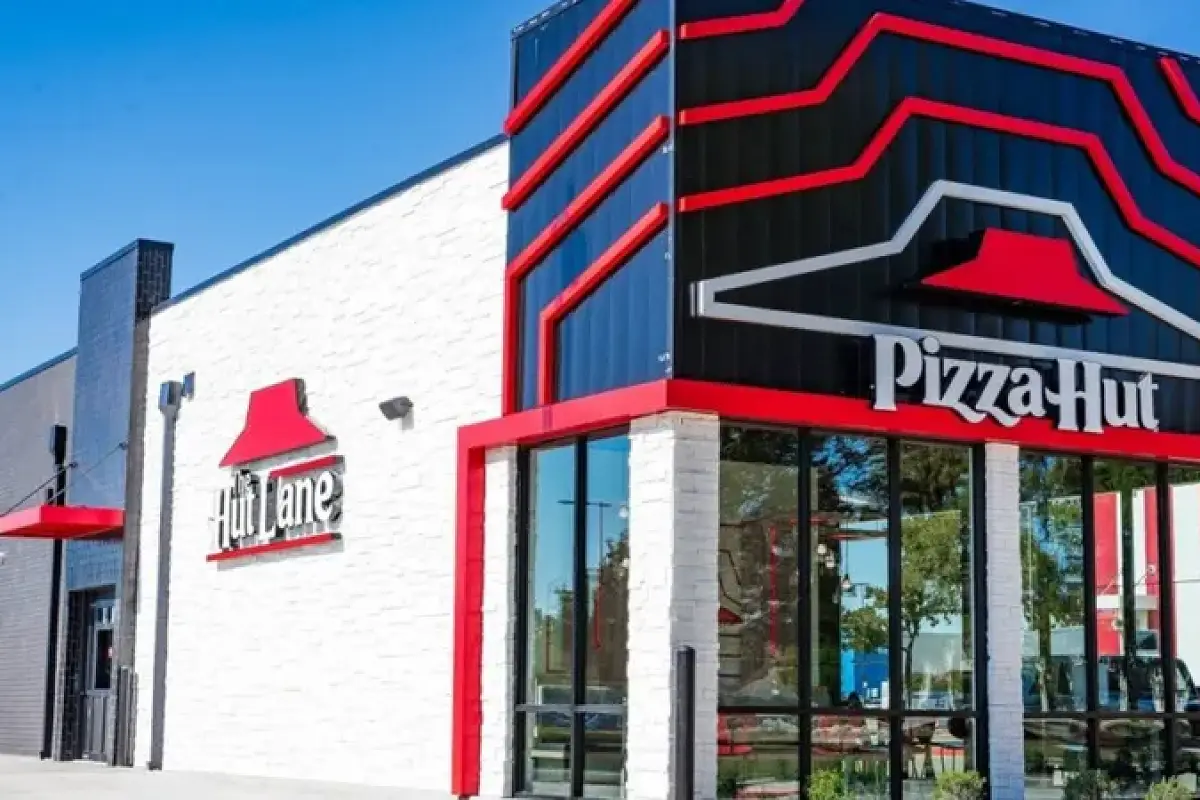
Red and black paneling catches the afternoon light above a Pizza Hut storefront, the familiar roof shaped logo glowing beneath a cloudless sky as customers pull into a parking lot that looks, on its surface, entirely unchanged. Yet behind that recognizable exterior, ownership itself has quietly shifted hands in a deal worth 1.5 billion dollars. The Pizza Hut sale to LongRange Capital is now officially complete, closing a chapter that began with years of uncertainty over the chain's future within Yum Brands' broader portfolio.
Yum Brands has closed its 1.5 billion dollar sale of Pizza Hut's assets outside of China to LongRange Capital, according to a pair of press releases issued jointly by Yum and the buyer. That announcement follows closely on the heels of another significant transaction, Yum's 1.2 billion dollar sale of Pizza Hut China to Yum China Holdings, which closed just last month.
A More Focused Yum Brands Emerges
For Yum, the departure of Pizza Hut represents more than a simple divestiture, it signals a deliberate narrowing of corporate focus. Yum retains the opportunity to earn a further 75 million dollars from the deal by 2030, contingent on Pizza Hut's future performance, a structure that keeps the parent company tied loosely to its former brand's fortunes even after the sale.
Chris Turner, Yum's CEO, described the transaction as one that will make the company considerably more focused going forward. He said that freed from the perennially troubled pizza chain, Yum's unmatched digital capabilities and scale, combined with its relentless focus on the future consumer, strengthening restaurant economics and leveraging Byte by Yum, will allow the company to accelerate growth and deliver sustainable long term value for shareholders.
New Leadership Steps In
Eduardo Luz, former CEO and President of P.F. Chang's, is now leading Pizza Hut on an interim basis, according to LongRange's own press release announcing the completed acquisition. His arrival brings restaurant turnaround experience from outside the pizza segment entirely, a background that may prove useful as Pizza Hut works to redefine its competitive positioning.
Luz framed the sale as an opportunity to refocus the brand's priorities entirely. He said the sale would help Pizza Hut concentrate more directly on its franchisees and guests, adding that with LongRange's support and resources, the brand is well positioned to invest in itself and build on Pizza Hut's legacy as it enters this next chapter.
Skepticism From Industry Analysts
Not every observer shares that optimism. Earlier this summer, before the deal formally closed, analysts expressed genuine doubt that Pizza Hut could sustain the kind of dramatic turnaround its new ownership envisions. Peter Saleh, managing director and restaurants and food distributor analyst at U.S. Bancorp and BTIG, offered a cautious assessment in a June report, noting that the valuation appeared somewhat higher than expected and that going private could enable a more drastic turnaround effort, though he added that the track record of similar deals across the industry isn't particularly encouraging.
Mark Wasilefsky, head of TD Bank's Restaurant Franchise Finance Group, pointed to a structural shift within the industry that complicates Pizza Hut's path forward regardless of new ownership. He explained that the advent of widely available digital ordering and delivery through third party aggregators over the past decade has effectively eliminated one of the quick service pizza segment's major historical advantages, its own proprietary delivery infrastructure.
What This Sale Reveals About Portfolio Strategy
Yum's decision to shed Pizza Hut entirely, both its China operations and its assets everywhere else, reflects a broader pattern increasingly visible across large restaurant conglomerates, where underperforming brands are spun off to allow parent companies to concentrate resources on their strongest performing segments. That kind of portfolio pruning carries real strategic logic, freeing capital and management attention that might otherwise remain divided across brands with fundamentally different growth trajectories.
For Pizza Hut itself, operating outside Yum's public market pressures may offer genuine breathing room to pursue changes that quarterly earnings expectations might have otherwise discouraged. Similar recalibrations are playing out elsewhere across the restaurant industry, where established chains reassess ownership structures in response to shifting consumer habits, a dynamic also visible in ongoing speculation around the possible sale of Coco Ichibanya by House Foods, another established chain navigating questions about its ownership future. Full details on Pizza Hut's current operations and locations are available on the official Pizza Hut website.
What Comes Next for Franchisees and Guests
For the thousands of franchisees operating Pizza Hut locations nationwide, this ownership transition carries direct consequences, from investment priorities to brand strategy decisions that will shape their day to day operations moving forward. Luz's stated focus on franchisees and guests suggests an intent to rebuild trust with operators who have weathered years of uncertainty regarding the brand's ultimate direction.
Whether LongRange Capital's investment can genuinely reverse Pizza Hut's fortunes remains, as analysts have cautioned, an open question shaped as much by broader industry headwinds as by any single ownership change. The chain now enters private hands carrying both a storied legacy and considerable structural challenges, testing whether fresh capital and sharpened focus can accomplish what remaining within a larger, publicly traded portfolio could not.
A Familiar Sign, an Uncertain Next Chapter
That red and black storefront will likely look unchanged to customers pulling into its parking lot tomorrow, the same recognizable roofline, the same familiar logo glowing overhead. Yet behind that unchanged facade sits a company now answering to entirely different owners, tasked with proving that a beloved but struggling brand can still find its footing once freed from the pressures of a much larger corporate portfolio. Whatever comes next for Pizza Hut, this closed deal marks not an ending, but the deliberate beginning of a chapter its new leadership insists will look considerably different from the years that came before it.