PizzaExpress Sale Valued at £500m as Bain Capital Moves In
PizzaExpress sale progresses at a reported £500m valuation as Bain Capital nears a deal with Cyrus Capital Partners for the iconic British pizza chain.
 RUKAIYA KADIWAL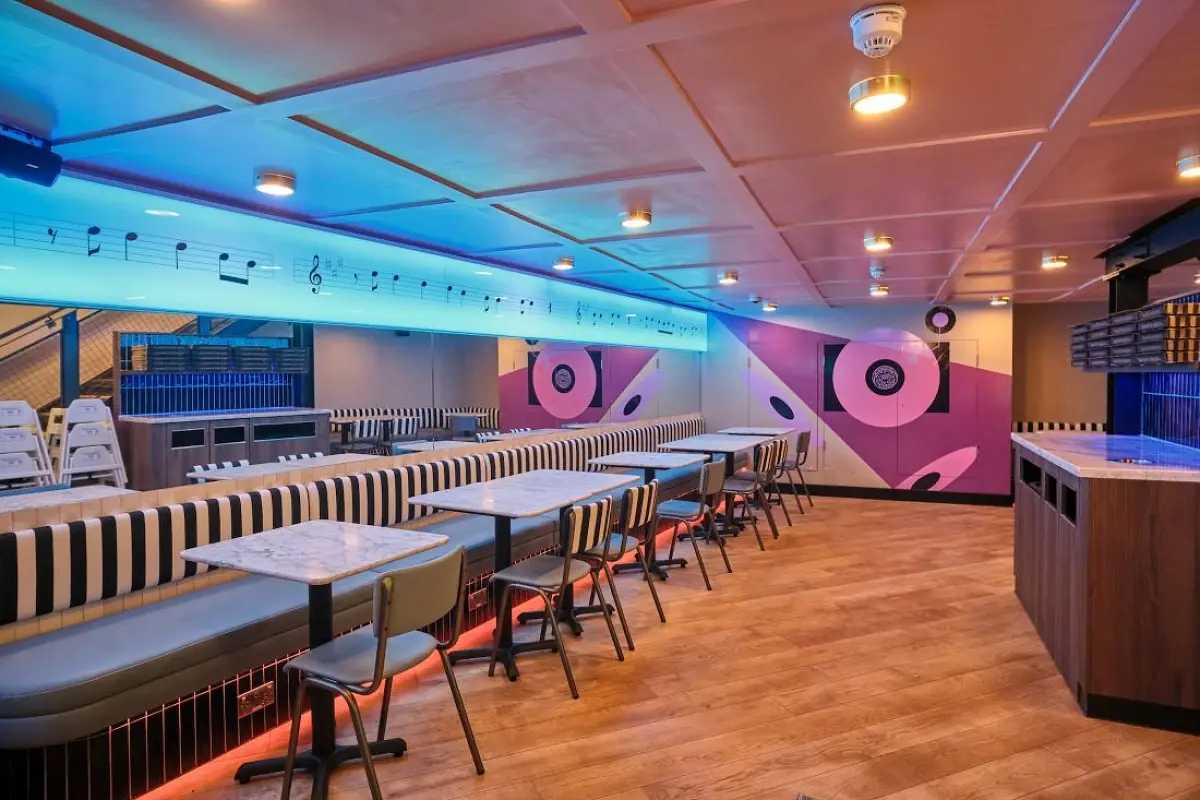
On any given Tuesday lunchtime in Britain, a PizzaExpress is doing what it has done since 1965: filling tables with a particular category of person who knows exactly what they want before they sit down. The dough balls arrive first. They always arrive first. Someone at the table will order the La Reine. Someone else will get the American Hot. A child will have a pizza that they will customise until it bears no relation to anything on the menu. The bill will arrive on a small plate with a mint. None of this has changed in years, and that consistency, that reliable familiarity, is both the brand's greatest commercial asset and the central argument of every investor who has passed through its ownership structure in the past decade looking for something they could build on.
PizzaExpress Sale Reported at Around £500m as Talks Progress
The PizzaExpress sale is progressing, with reports indicating that the company is set to be sold for around £500m. The prospective buyer is Bain Capital, the American private equity firm, and the deal, if completed as reported, would transfer one of Britain's most recognisable restaurant chains from its current owners, Cyrus Capital Partners, to new hands for the second time in a decade. The PizzaExpress acquisition would value a chain that has been through administration, a debt restructuring, a pandemic, and a significant estate reduction, and has emerged from all of that still operating restaurants across the United Kingdom and internationally.
The PizzaExpress £500m sale figure, if it holds through completion, represents a meaningful valuation for a restaurant business that has been through the kind of structural difficulty that destroys lesser brands entirely. The fact that the number attached to it is in this range is itself a statement about what the brand retains after everything it has absorbed.
What PizzaExpress Has Been and What It Remains
PizzaExpress was founded in Wardour Street, London, in 1965 by Peter Boizot, who brought the pizza concept from Italy and built a chain around it across decades of British casual dining. By the time Boizot sold the business in the 1990s, it had established the kind of cultural position that most restaurant brands spend their entire existence trying to achieve and never quite reach: genuine affection from a broad cross-section of the British public, built not through marketing campaigns but through the accumulated experience of millions of dough ball orders over several decades.
The chain passed through several ownership structures before being acquired by Chinese investor Hony Capital in 2014 for approximately £900m, a valuation that in retrospect overpaid for the brand's earnings at a moment when casual dining was at its most expansive. The pandemic, combined with the structural pressures on casual dining that had been building before it, produced a company voluntary arrangement in 2020 that closed more than 70 UK restaurants and restructured £1.1bn in debt. Cyrus Capital Partners took control through that process, and it is from Cyrus that the PizzaExpress sale 2026 would transfer the business to Bain Capital.
The Interior That Has Stayed Recognisable Through All of It
Walk into a PizzaExpress UK restaurant in 2026 and the design language is familiar even when the specific location is new. Marble-top tables. Black and white striped banquettes. Music notes or vinyl record murals on the walls in the venues that have been refurbished to the brand's more recent aesthetic. The combination of retro diner references and Italian restaurant DNA that the redesigns have been working toward gives the company's newer interiors a specific visual identity that the older locations, with their darker wood and 1970s Italian restaurant formality, do not entirely share.
That visual inconsistency across the estate is one of the operational realities that any incoming owner inherits. The restaurants that have been refurbished operate with a different energy from the ones that have not, and the capital required to bring the full estate up to a consistent standard is part of the investment thesis that the PizzaExpress investment under Bain Capital would need to address. A brand whose recognition is as high as PizzaExpress's can sustain aesthetic inconsistency for longer than a newer concept could, but it cannot sustain it indefinitely without the gap between the best and worst locations becoming a guest experience problem as much as an operational one.
What Bain Capital Is Buying and What the Number Reflects
The reported £500m valuation for the PizzaExpress restaurant chain reflects a specific set of calculations about what the business is worth at this point in its recovery and what it could be worth under the right ownership with the right investment programme. Bain Capital has a track record in consumer and retail businesses and the operational understanding to know what a branded restaurant chain of PizzaExpress's scale requires to move from stabilisation to genuine growth.
The gap between the £900m that Hony Capital paid in 2014 and the approximately £500m that the current PizzaExpress sale 2026 reportedly represents is a measure of how much value was destroyed by the combination of overpricing, casual dining market contraction, and pandemic disruption across the intervening decade. It is also, for incoming owners, the arithmetic that makes the acquisition attractive: a brand with genuine cultural depth, broad recognition, and an existing estate of profitable restaurants, available at a price that reflects its recent difficulties rather than its underlying potential.
The Dough Ball and What It Represents at Scale
The dough ball is PizzaExpress's most important dish, not because it is the most profitable or the most complex but because it is the thing that the brand's most loyal customers think about first when they think about where they are going. A table of people who have all ordered the dough balls has collectively made a decision about what kind of evening they are having. They are having a PizzaExpress evening, which is a specific and recognisable social format, comfortable and familiar and sufficiently enjoyable to repeat across years of choosing where to go for a midweek dinner or a birthday lunch or a post-theatre pizza in a city where the theatre just ended and the options are numerous.
That brand loyalty, accumulated across generations of British diners who grew up eating at PizzaExpress before they were old enough to choose their own restaurants, is the commercial foundation on which the PizzaExpress acquisition rests. A chain that has survived administration and debt restructuring and the closure of a significant portion of its estate and still retains the cultural position it held before all of that happened is a brand that has demonstrated a resilience that most hospitality companies do not possess. What it has not yet demonstrated, under its current ownership, is whether it can translate that resilience into growth rather than simply recovery.
International Operations and the Broader Picture
The PizzaExpress restaurant chain operates internationally as well as across the UK, with a presence in the Middle East, Asia, and other markets that its domestic difficulties did not fully reach. The international business has operated on a franchise model in most markets, giving the company revenue from licensing and services without the capital exposure of direct ownership. For prospective owners evaluating the full business, the international estate represents both an existing revenue stream and a platform for the kind of global brand development that the domestic business's scale and recognition make theoretically possible.
Whether PizzaExpress investment under Bain Capital pursues international growth more actively than the current ownership structure has allowed is one of the strategic questions that will shape the brand's direction in the years after completion. A British casual dining brand with genuine global name recognition in certain markets is an asset that has not been fully capitalised on under ownership structures primarily focused on managing the domestic debt and operational recovery.
What the British Casual Dining Market Looks Like Around It
The casual dining sector in Britain has been restructuring for a decade, through a combination of overexpansion in the 2010s, pandemic closures, cost inflation, and the changing habits of consumers who are eating out less frequently but spending more selectively when they do. The chains that have survived this restructuring have done so by one of two routes: reducing their estates to the locations that genuinely work and defending those positions with quality and consistency, or finding new formats and occasions that bring the brand into contact with consumers who were not previously using it.
PizzaExpress UK has primarily followed the first route under its current ownership, closing underperforming locations and focusing on the restaurants that were already generating sufficient returns to justify the investment required to maintain them. The question for any incoming owner is whether the estate that remains after all of those closures is large enough and strong enough to generate the kind of growth that a £500m acquisition price implies, or whether further rationalisation would be required before a genuine growth phase becomes viable.
A Tuesday Lunchtime and What It Keeps Meaning
The dough balls will arrive on Tuesday regardless of who owns the chain. The La Reine will be ordered. The American Hot will follow. A child will ask for a pizza that is not on the menu and the server will find a way to make it happen because that is what the brand's service culture has always done at its best, which is to be accommodating in a way that makes the guest feel that the restaurant exists for them rather than for the menu. Bain Capital is reportedly buying that Tuesday lunchtime as much as it is buying the real estate and the recipes and the supply chain and the brand trademark. Whether it can protect what makes that Tuesday lunchtime feel the way it has always felt, while also growing the business into something that justifies the investment, is the question that no acquisition announcement can answer. It takes years of service to find out.
Related reading: BIG CAT Raleigh restaurant named in NYT Top 50 of 2026