Restaurant Loyalty Programs Face Scrutiny Over Effectiveness in Building Long-Term Customer Retention
Restaurant loyalty programs are under scrutiny as industry experts question their effectiveness in building genuine long-term customer retention.
 Prajakta Sanjay Warwadkar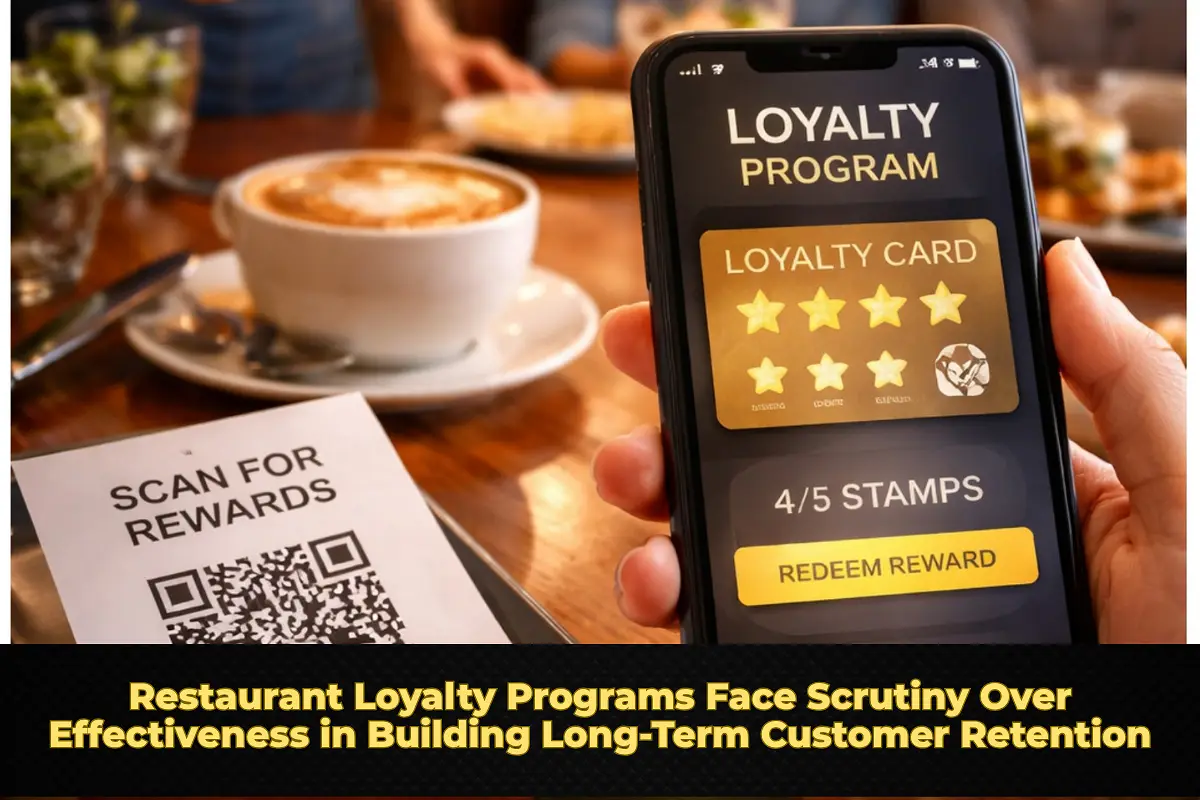
Restaurant Loyalty Programs Face Scrutiny Over Effectiveness in Building Long-Term Customer Retention
Restaurant loyalty programs are facing increasing scrutiny in 2026 as industry experts question whether they truly create long-term customer retention, with concerns emerging across the hospitality sector about their actual impact on repeat business and brand loyalty.
Operators across quick-service and full-service segments have widely adopted loyalty initiatives, offering rewards, discounts, and points-based systems to encourage repeat visits. However, growing evidence suggests that while such programs may drive short-term engagement, they do not always translate into sustained customer relationships or meaningful brand affinity.
Widespread Adoption Across the Industry
Loyalty programs have become a standard feature in the restaurant industry, particularly as digital platforms and mobile applications have made it easier to track customer behavior and personalize offers. From large chains to independent cafés, businesses are investing in these systems to remain competitive and capture consumer data.
The approach typically involves incentivizing repeat purchases through rewards such as free items, discounts, or exclusive deals. These programs are often integrated with mobile apps, allowing restaurants to communicate directly with customers and influence purchasing decisions.
Despite their popularity, questions are now being raised about whether the investment in loyalty infrastructure is delivering the expected return.
Short-Term Gains Versus Long-Term Loyalty
Industry analysts note that loyalty programs are effective at driving short-term sales spikes, particularly during promotional periods. Customers are more likely to return to redeem rewards or take advantage of limited-time offers.
However, this behavior may be driven more by incentives than genuine brand preference. Once rewards are removed or competitors offer better deals, customers often shift their spending, indicating a lack of true loyalty.
This dynamic has led to concerns that loyalty programs may be creating “deal-driven” customers rather than fostering deeper emotional connections with brands.
Changing Consumer Behavior
Consumer expectations have evolved significantly, with diners increasingly prioritizing experience, convenience, and value over traditional reward structures. Factors such as food quality, service, ambiance, and digital convenience often play a larger role in determining repeat visits.
Younger consumers, in particular, are less influenced by conventional loyalty models and more responsive to personalized experiences and brand authenticity. As a result, restaurants may need to rethink their strategies to align with these shifting preferences.
The rise of food delivery platforms and aggregator apps has also contributed to fragmented loyalty, as customers frequently switch between brands based on convenience and availability.
Data Utilization and Personalization
One of the key advantages of loyalty programs is their ability to generate valuable customer data. Restaurants can analyze purchasing patterns, preferences, and visit frequency to tailor marketing efforts and improve offerings.
However, the effectiveness of these insights depends on how well they are utilized. Generic promotions and poorly targeted offers can reduce the perceived value of loyalty programs, limiting their impact on customer engagement.
Experts suggest that more sophisticated personalization, driven by data analytics, could enhance the effectiveness of these programs and improve customer retention.
Cost Implications for Operators
Implementing and maintaining loyalty programs involves significant costs, including technology investment, reward funding, and marketing expenses. For many operators, particularly smaller businesses, these costs can outweigh the benefits if programs fail to deliver sustained results.
There is also the risk of margin erosion, as frequent discounts and rewards reduce profitability. In highly competitive markets, businesses may feel compelled to offer increasingly generous incentives, further impacting their bottom line.
This has led some operators to reassess the financial viability of traditional loyalty models.
Alternative Approaches to Customer Retention
In response to these challenges, some restaurants are exploring alternative strategies to build customer loyalty. These include enhancing overall dining experiences, focusing on consistent quality, and creating strong brand identities that resonate with customers.
Community engagement, storytelling, and personalized service are emerging as important factors in fostering genuine connections with diners. Restaurants are also leveraging social media and digital engagement to build relationships beyond transactional interactions.
Such approaches aim to create emotional loyalty rather than relying solely on financial incentives.
Role of Technology in Shaping Loyalty
Technology continues to play a central role in the evolution of loyalty programs. Advanced platforms enable real-time engagement, personalized recommendations, and seamless integration with ordering systems.
Innovations such as artificial intelligence and machine learning are being used to enhance customer insights and deliver more relevant offers. These tools have the potential to transform loyalty programs into more effective engagement mechanisms.
However, successful implementation requires careful planning and a clear understanding of customer needs.
Industry Outlook and Future Trends
The debate حول the effectiveness of loyalty programs is expected to continue as the restaurant industry evolves. While such programs are unlikely to disappear, their structure and execution may undergo significant changes.
Future models may focus more on experiential rewards, exclusive access, and personalized interactions rather than traditional point-based systems. Integration with broader digital ecosystems could also enhance their value proposition.
Operators who can balance incentives with meaningful engagement are likely to achieve better outcomes in customer retention.
Balancing Value and Experience
Ultimately, the success of any loyalty initiative depends on its ability to complement the overall customer experience. Programs that are perceived as an added benefit, rather than the primary reason for engagement, are more likely to resonate with customers.
Restaurants must ensure that their core offerings—food quality, service, and ambiance—remain strong, as these factors play a fundamental role in building loyalty. Incentives can support these efforts but cannot replace them.
This balance is critical in creating sustainable and effective customer retention strategies.
Conclusion
As scrutiny over loyalty programs grows, restaurant operators are reassessing their strategies to determine whether these initiatives truly drive long-term customer retention or simply deliver short-term gains in an increasingly competitive market.