Restaurant Orders Drop 39 Percent During Ramadan Amid Changing Dining Patterns
Restaurant orders declined by 39 percent during Ramadan, reflecting shifting dining habits, altered consumption patterns, and operational challenges across the hospitality sector.
 Prajakta Sanjay Warwadkar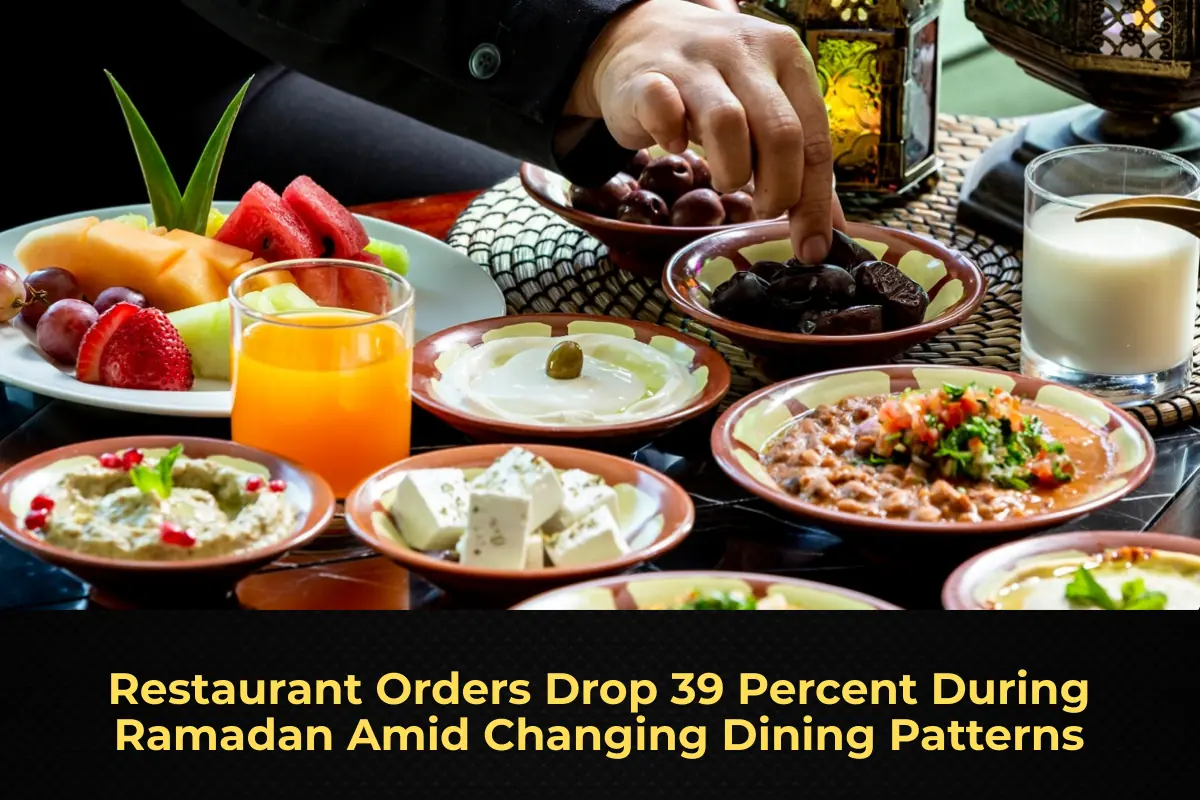
Restaurant Orders Decline Sharply During Ramadan as Dining Habits Shift
Restaurant orders fell by 39 percent during Ramadan, according to a recent industry report, highlighting significant changes in consumer dining behavior during the holy month. The decline, observed across key markets in the Middle East, reflects adjustments in meal timing, reduced daytime consumption, and a shift toward home-cooked meals, reshaping demand patterns for restaurants and food delivery operators.
The report indicates that the drop in orders is largely concentrated during daylight hours when fasting is observed, leading to reduced demand for dine-in and delivery services. While evening periods such as iftar and suhoor continue to generate business, they have not fully offset the overall decline in daily order volumes.
Fasting Hours Impact Daytime Demand
Ramadan significantly alters daily routines, with millions of people fasting from dawn until sunset. As a result, traditional daytime dining activity sees a sharp decline, affecting restaurants that typically rely on lunch and afternoon orders for a substantial portion of their revenue.
Restaurants operating in business districts and commercial hubs are particularly impacted, as office workers and daytime diners reduce or eliminate their usual meal consumption. This shift creates a temporary but pronounced dip in sales during working hours.
Food delivery platforms also experience similar patterns, with fewer daytime orders and increased concentration of demand during limited evening windows.
Evening Surge Fails to Offset Overall Decline
Although restaurants see a surge in activity during iftar, when families and groups gather to break their fast, the spike in evening orders is not sufficient to compensate for the prolonged period of reduced daytime demand. The result is a net decline in total daily orders.
Operators report that while iftar meals often involve larger group orders and higher average spending, the limited time frame of these peak periods restricts the overall volume of transactions that can be processed.
Additionally, competition intensifies during the evening hours, as restaurants, cloud kitchens, and home-based food businesses all target the same window of opportunity.
Shift Toward Home Cooking and Family Dining
The report also highlights a growing preference for home-cooked meals during Ramadan. Many families choose to prepare traditional dishes at home, particularly for iftar, as part of cultural and religious practices associated with the holy month.
This trend reduces reliance on restaurants and food delivery services, especially for daily meals. While some consumers continue to order food for convenience or special occasions, the overall demand is lower compared to non-Ramadan periods.
Home cooking is often seen as both a cost-effective and culturally significant option, contributing to the decline in restaurant orders.
Operational Challenges for Restaurants
The shift in demand patterns presents operational challenges for restaurant operators, who must adapt to fluctuating order volumes and condensed peak hours. Staffing, inventory management, and kitchen operations require careful planning to align with the new consumption schedule.
Restaurants may need to reduce staffing levels during daytime hours while increasing capacity for evening service. This adjustment can create logistical complexities and increase operational costs, particularly for businesses that rely on consistent daily revenue streams.
Food preparation schedules also change, with greater emphasis placed on ensuring freshness and timely delivery during peak iftar hours.
Menu Adaptations and Promotional Strategies
To navigate the Ramadan period, many restaurants introduce special menus and promotional offers tailored to iftar and suhoor. These may include set meal packages, family platters, and traditional dishes designed to appeal to customers observing the fast.
Bundled meal deals and discounts are commonly used to attract customers during the limited dining windows. Restaurants also focus on creating value-driven offerings that encourage group orders and repeat business throughout the month.
Digital marketing and targeted promotions play a key role in reaching consumers during Ramadan, with many businesses leveraging social media and food delivery platforms to highlight their offerings.
Growth Opportunities in Evening Dining
Despite the overall decline in orders, Ramadan presents opportunities for restaurants that can effectively capture evening demand. Establishments that offer efficient service, high-quality food, and appealing iftar experiences are more likely to attract customers during peak hours.
Restaurants with outdoor seating, family-friendly environments, or unique dining experiences often see stronger performance during the evening period. Similarly, delivery-focused businesses that can handle high volumes in a short time frame may benefit from concentrated demand.
Operators who successfully adapt their strategies to align with Ramadan consumption patterns can mitigate some of the impact of reduced daytime activity.
Impact on the Broader Hospitality Sector
The decline in restaurant orders during Ramadan reflects broader trends within the hospitality sector, where seasonal and cultural factors play a significant role in shaping demand. Hotels, cafés, and catering businesses also adjust their operations to accommodate changes in consumer behavior.
In many markets, Ramadan is associated with a shift toward evening-centric social activities, influencing not only dining patterns but also entertainment and retail sectors. Businesses across these industries must adapt to the altered daily rhythm.
The report underscores the importance of flexibility and responsiveness within the hospitality industry, particularly in regions where cultural and religious observances significantly impact consumer behavior.
Looking Ahead
As restaurants continue to navigate the challenges and opportunities presented by Ramadan, industry experts emphasize the need for data-driven strategies and operational agility. Understanding customer preferences and optimizing service during peak hours can help businesses maintain performance during the holy month.
While the 39 percent decline in orders highlights the impact of changing dining habits, it also reflects the adaptability of the hospitality sector in responding to seasonal variations in demand.
With Ramadan remaining a key period in the annual business cycle for many restaurants, operators are expected to continue refining their approaches to balance reduced daytime activity with strong evening engagement.
The current trend indicates that while overall restaurant orders decline during Ramadan, businesses that align their offerings with consumer expectations can sustain performance and remain competitive in a dynamic market environment.