Restaurant Real Estate Undergoes Powerful Delivery Economy Shift
Off-premises dining is reshaping restaurant real estate strategy as operators shift to asset-light, delivery-focused footprints nationwide.
 RUKAIYA KADIWAL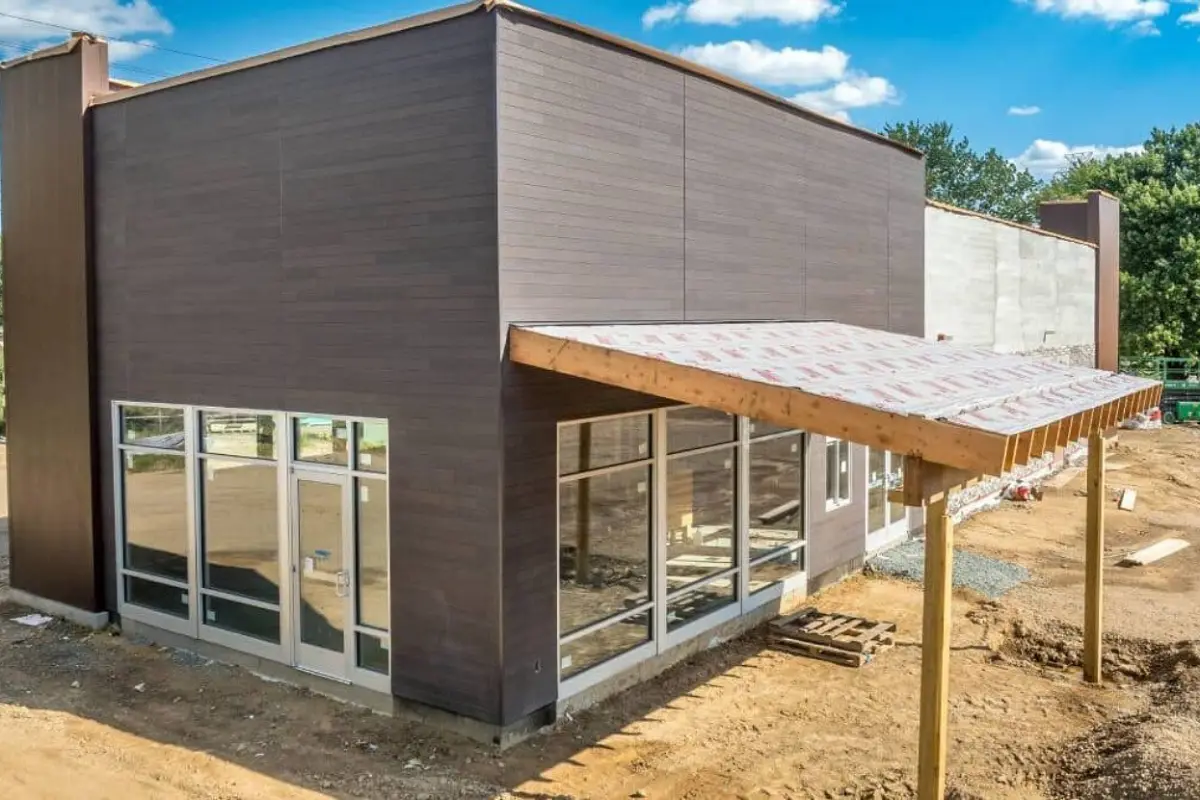
As commercial costs rise across major U.S. metros, restaurant real estate decisions are becoming a structural paradox for operators. Rising off-premises dining demand is pushing owners to question whether traditional footprints still make financial sense in today's delivery economy restaurants landscape.
The Restaurant Real Estate Mismatch Facing Operators
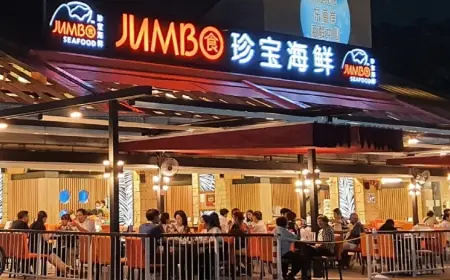
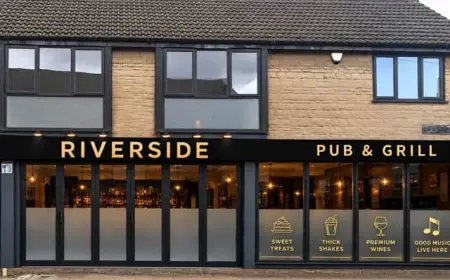
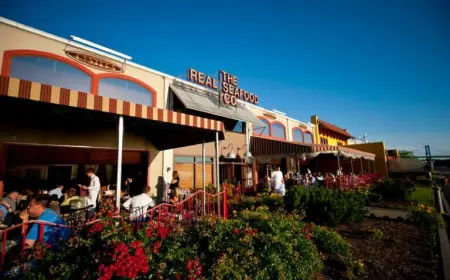
More than 60% of U.S. consumers now prefer off-premises dining over sitting in a traditional dining room. As a result, independent owners are financing underutilized front-of-house spaces, effectively paying for "ghost square footage" that generates little daily revenue.
This restaurant real estate mismatch is felt most acutely in competitive markets. Prime lease rates in cities like New York, San Francisco, and Miami have surged due to limited inventory and rising urban density. When high lease costs meet convenience-driven consumers, the traditional brick-and-mortar model becomes harder to sustain.
High occupancy costs extend beyond rent. Larger dining rooms require added staffing, utilities, maintenance, and capital investment, leaving fewer resources for technology, menu innovation, or marketing.
How Off-Premises Dining Is Redefining Restaurant Value
The rise of off-premises dining reflects a broader shift in what consumers value. Mobile ordering, delivery platforms, curbside pickup, and loyalty apps have transformed restaurant visits into on-demand services built around convenience and speed.
Diners now expect brands to fit their routines rather than requiring travel or parking. For many concepts, the dining room is no longer the top driver of satisfaction. Instead, consistency, delivery speed, and digital accessibility matter just as much as the meal itself.
Restaurant Real Estate Shifts Toward Asset-Light Models
To adapt, hospitality groups are restructuring their physical footprints. Rather than signing costly long-term leases for expansive dining rooms, operators are exploring an asset-light restaurant model that separates food production from guest seating.
This shift has encouraged smaller footprints, pickup-focused locations, shared kitchen facilities, and hybrid formats designed to align occupancy costs with actual demand. Businesses testing a ghost kitchen footprint can better match real estate expenses with real customer behavior.
This isn't about eliminating dine-in experiences. Full-service restaurants and destination concepts still rely on physical space to build guest relationships. The real question is how much restaurant real estate is truly necessary today.
Capital Efficiency in a Post-Dine-In Restaurant Real Estate Economy
The link between restaurant success and a prominent storefront is evolving. As zoning rules shift and construction costs stay high, operators are separating spaces built for guest experience from those optimized for delivery and takeout.
Lower occupancy costs create financial flexibility, freeing up capital for technology, workforce development, or expansion instead of underused restaurant real estate. For emerging and expanding brands alike, spatial optimization is now a core strategic consideration in delivery economy restaurants planning.
Ultimately, this isn't about cutting square footage for its own sake — it's about ensuring every square foot contributes to long-term performance. As off-premises dining reshapes expectations, the industry's most valuable restaurant real estate may not be the largest dining room, but the space delivering the greatest operational return.
For more insights on evolving restaurant business strategy, visit our restaurant real estate trends section. Industry data referenced comes from the official National Restaurant Association State of the Industry Report.