Rise of Micro-Restaurants in the UK Reflects Shift Toward Intimate Dining Experiences
Micro-restaurants are gaining popularity across the UK as diners seek intimate dining experiences, creative menus, and small-scale hospitality concepts that prioritize quality and personal service.
 Prajakta Sanjay Warwadkar
Micro-Restaurants Gain Momentum Across the UK Dining Scene
A growing number of micro-restaurants are emerging across the United Kingdom as chefs and hospitality entrepreneurs adopt smaller, more intimate dining concepts. The trend reflects shifting consumer preferences toward personalized dining experiences, limited seating, and curated menus that emphasize creativity and quality over scale.
Micro-restaurants—typically featuring fewer than 20 seats and often operated by small teams or individual chefs—have become increasingly visible in cities and towns throughout the UK. These venues are designed to provide a close connection between chefs and diners while offering carefully crafted dishes that highlight seasonal ingredients and innovative culinary techniques.
The concept is attracting both diners and restaurateurs seeking alternatives to large-scale restaurant operations, particularly in a hospitality environment where rising costs and changing consumer habits are reshaping the industry.
Small Spaces, Big Culinary Ambitions
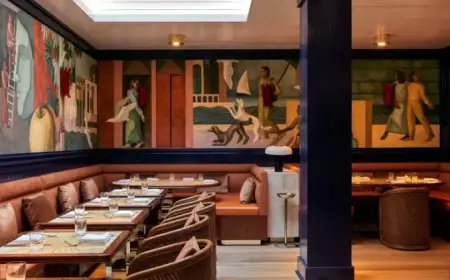
Micro-restaurants are defined by their limited capacity and focused menus. Many operate in compact spaces such as converted storefronts, residential-style dining rooms, or repurposed commercial kitchens. Despite their small size, these venues often deliver high-quality dining experiences that rival those of larger establishments.
Chefs who launch micro-restaurants frequently design menus that change regularly based on seasonal availability and creative inspiration. With fewer diners to serve at a time, kitchens can dedicate greater attention to preparation, presentation, and guest interaction.
The smaller scale also allows operators to experiment with dishes and concepts that might be difficult to execute in traditional high-volume restaurants. Tasting menus, chef’s table formats, and specialty cuisine concepts are particularly well suited to this style of dining.
Changing Consumer Preferences
The rise of micro-restaurants reflects broader shifts in consumer behavior within the hospitality sector. Many diners are increasingly seeking unique experiences rather than conventional restaurant visits. Intimate dining environments, direct interaction with chefs, and distinctive menus appeal to customers who value authenticity and craftsmanship.
Social media has also played a role in accelerating the popularity of smaller dining venues. Guests often share their experiences online, highlighting exclusive dishes and cozy atmospheres that differentiate micro-restaurants from mainstream establishments.
For diners, the appeal lies not only in the food but also in the sense of discovery. Many micro-restaurants operate with limited seating and reservations, creating an atmosphere of exclusivity that adds to their popularity.
Lower Overheads Encourage New Ventures
For restaurant operators, micro-restaurants present an attractive alternative to larger hospitality investments. Opening a traditional full-service restaurant often requires significant capital, including large kitchen facilities, extensive staffing, and high rental costs.
Micro-restaurants, by contrast, can operate with smaller teams and more compact premises. This model allows chefs and entrepreneurs to launch businesses with comparatively lower startup costs while maintaining greater creative control.
Some chefs who previously worked in large restaurant groups are choosing micro-restaurant ventures as a way to showcase their personal culinary vision. The format allows them to design menus, manage operations, and interact directly with diners.
Challenges of Operating on a Small Scale
Despite their advantages, micro-restaurants also face unique challenges. Limited seating capacity can restrict revenue potential, making it essential for operators to maintain high demand and efficient operations.
Reservation management becomes particularly important for small venues, as even a few empty seats can significantly affect daily revenue. Many micro-restaurants rely on advance bookings and fixed menu formats to manage demand and minimize food waste.
Staffing can also be demanding, with chefs often taking on multiple roles including cooking, menu planning, customer service, and business management.
Impact on the Broader Hospitality Industry
The emergence of micro-restaurants highlights ongoing changes in the hospitality sector as businesses adapt to evolving market conditions. Rising rents, ingredient costs, and labor expenses have prompted many restaurateurs to explore alternative models that prioritize efficiency and flexibility.
Industry observers say the micro-restaurant concept demonstrates how smaller operations can compete successfully by focusing on quality, storytelling, and personalized service.
These establishments also contribute to the diversity of the dining landscape, offering specialized cuisine styles and experimental menus that may not appear in larger commercial restaurants.
Innovation in Menu Design and Dining Formats
Micro-restaurants frequently introduce creative dining formats that challenge traditional restaurant structures. Multi-course tasting menus, chef-led experiences, and rotating culinary themes are common features.
Some venues operate only on selected evenings or specific days of the week, allowing chefs to concentrate on a limited number of guests while maintaining high culinary standards. Others adopt collaborative approaches, inviting guest chefs or hosting themed dining events.
This flexibility allows operators to adapt quickly to customer preferences and market trends while maintaining the personal atmosphere that defines micro-restaurant dining.
Community and Local Identity
Many micro-restaurants emphasize connections with local communities and suppliers. Chefs often source ingredients from nearby farms, fisheries, and artisan producers, reinforcing a sense of regional identity in their menus.
This approach resonates with diners who are increasingly interested in sustainable food sourcing and transparent supply chains. Local partnerships also help strengthen neighborhood dining cultures, making micro-restaurants an integral part of community hospitality scenes.
As a result, these venues often develop loyal customer bases that support them through repeat visits and word-of-mouth recommendations.
Future Prospects for Micro-Restaurants
The continued growth of micro-restaurants suggests that small-scale dining concepts will remain a notable part of the UK hospitality landscape. While the model may not replace traditional restaurants, it offers an alternative pathway for culinary entrepreneurship and creative expression.
Industry experts believe the trend could expand further as chefs explore innovative formats that combine intimate dining with distinctive culinary storytelling. The ability to deliver memorable experiences in compact spaces may continue to attract diners seeking something different from conventional restaurant offerings.
As the hospitality sector evolves in response to economic pressures and changing consumer expectations, micro-restaurants are emerging as a distinctive and influential segment of the modern dining industry.
The rise of these small but ambitious establishments illustrates how creativity and adaptability are reshaping the future of restaurants across the United Kingdom.