Roy Choi Urges Optimism as Restaurant Industry Navigates Ongoing Challenges
Chef Roy Choi expresses confidence in the restaurant industry’s future, encouraging operators to stay resilient despite ongoing economic and operational challenges in 2026.
 Prajakta Sanjay Warwadkar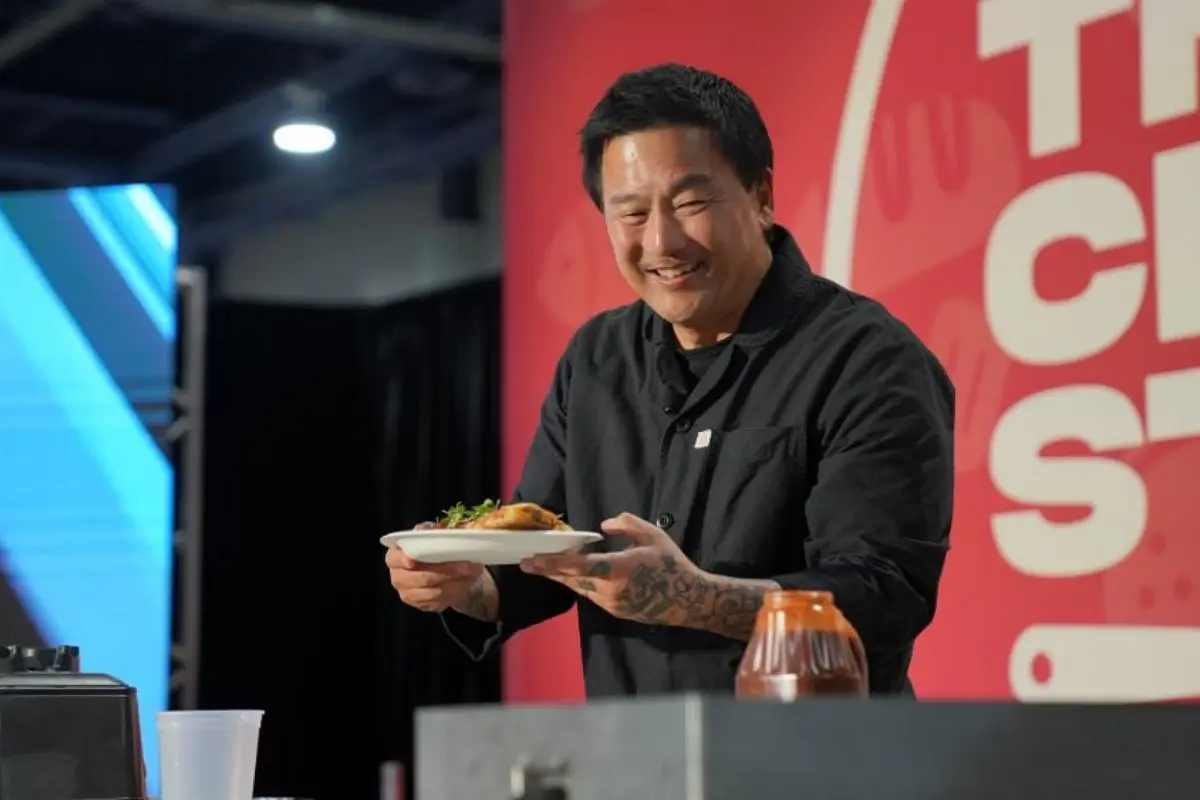
Roy Choi Urges Optimism as Restaurant Industry Navigates Ongoing Challenges
Chef and restaurateur Roy Choi has expressed confidence in the future of the restaurant industry in 2026, urging operators and stakeholders not to be discouraged by ongoing economic pressures, rising costs, and shifting consumer behavior, particularly across major markets in the United States and globally.
Speaking on the state of the industry, Choi emphasized that while restaurants continue to face significant challenges, including inflation, labor shortages, and evolving dining habits, the sector remains resilient and capable of adapting to changing conditions. His perspective offers a counterpoint to widespread concerns about the sustainability of restaurant businesses in a complex operating environment.
Confidence in Industry Resilience
Choi highlighted the restaurant industry’s long history of overcoming adversity, noting that periods of disruption often lead to innovation and reinvention. He suggested that current challenges should be viewed as opportunities for growth rather than insurmountable obstacles.
The industry’s ability to adapt has been evident in recent years, with operators embracing new business models, digital technologies, and diversified revenue streams. This adaptability, according to Choi, is a key strength that will continue to support the sector’s evolution.
His remarks underscore a broader belief among some industry leaders that resilience is embedded in the DNA of hospitality businesses.
Shifting Mindset Among Operators
Choi’s message encourages a shift in mindset among restaurant operators, urging them to focus on long-term opportunities rather than short-term challenges. He emphasized the importance of maintaining perspective and avoiding a reactive approach to industry fluctuations.
By adopting a more optimistic outlook, operators can better position themselves to identify emerging trends and capitalize on new opportunities. This proactive approach is increasingly seen as essential in navigating a rapidly changing market.
The emphasis on mindset reflects a growing recognition that leadership attitudes can significantly influence business outcomes.
Innovation as a Key Driver
Innovation continues to play a central role in the industry’s ability to adapt. Choi pointed to the rise of new concepts, menu experimentation, and creative service models as evidence of the sector’s ongoing transformation.
Restaurants are exploring diverse approaches to meet consumer demand, including hybrid dining formats, enhanced delivery options, and experiential offerings. These innovations are helping businesses remain competitive and relevant.
The focus on creativity aligns with broader industry trends that prioritize differentiation and customer engagement.
Addressing Economic Pressures
Despite his optimistic outlook, Choi acknowledged the real challenges facing restaurant operators, particularly in relation to rising costs. Inflation, supply chain disruptions, and increased labor expenses continue to impact profitability across the sector.
Operators are responding by adjusting pricing strategies, optimizing operations, and seeking efficiencies where possible. While these measures can help mitigate financial pressures, they also require careful execution to avoid negatively affecting the customer experience.
The balance between cost management and quality remains a critical consideration for the industry.
Evolving Consumer Behavior
Changing consumer preferences are another key factor shaping the restaurant landscape. Diners are increasingly seeking convenience, value, and unique experiences, driving demand for flexible dining options and innovative concepts.
Choi noted that understanding and responding to these shifts is essential for long-term success. Restaurants that can align their offerings with evolving expectations are more likely to thrive in a competitive environment.
The ability to anticipate consumer trends is becoming a defining characteristic of successful operators.
The Role of Community and Culture
Choi also emphasized the importance of community and cultural relevance in the restaurant industry. Establishments that connect with their local communities and reflect cultural identities often build stronger relationships with customers.
This connection can serve as a foundation for resilience, particularly during challenging periods. Community-driven businesses are more likely to benefit from customer loyalty and support.
The focus on culture and authenticity continues to shape the identity of modern dining establishments.
Leadership in Times of Uncertainty
Strong leadership is essential in navigating the complexities of the current environment. Choi’s perspective highlights the role of leaders in maintaining morale, driving innovation, and guiding teams through uncertainty.
Effective leaders are those who can balance realism with optimism, acknowledging challenges while inspiring confidence in the future. This approach can help organizations remain focused and adaptable.
Leadership strategies are increasingly being recognized as a critical factor in determining business success.
Industry-Wide Implications
Choi’s outlook reflects a broader conversation within the hospitality sector about the future of the industry. While challenges persist, there is also a sense of opportunity as businesses adapt to new realities.
The continued evolution of the restaurant landscape is likely to be shaped by a combination of innovation, resilience, and strategic thinking. Operators who embrace these elements are better positioned to navigate uncertainty.
The industry’s trajectory will depend on how effectively businesses respond to both challenges and opportunities.
Looking Ahead
As the restaurant industry moves forward in 2026, Choi’s message serves as a reminder of its capacity for reinvention. While the path ahead may be complex, the sector’s history suggests that it is capable of adapting and thriving.
Continued focus on innovation, customer experience, and operational efficiency will be key to sustaining growth. The willingness to embrace change will determine how successfully businesses navigate the evolving landscape.
The outlook remains cautiously optimistic, with resilience and adaptability at the forefront.
Conclusion
Roy Choi’s call for optimism highlights the restaurant industry’s enduring resilience in 2026, as operators continue to navigate challenges while seeking new opportunities for growth and innovation.