SeaWitch Tiki Bar Carolina Beach Closes After 31 Years
SeaWitch Tiki Bar Carolina Beach closes October 3, 2026, after 31 years of live music, holiday meals, and community life, making way for a 140-room hotel development.
 RUKAIYA KADIWAL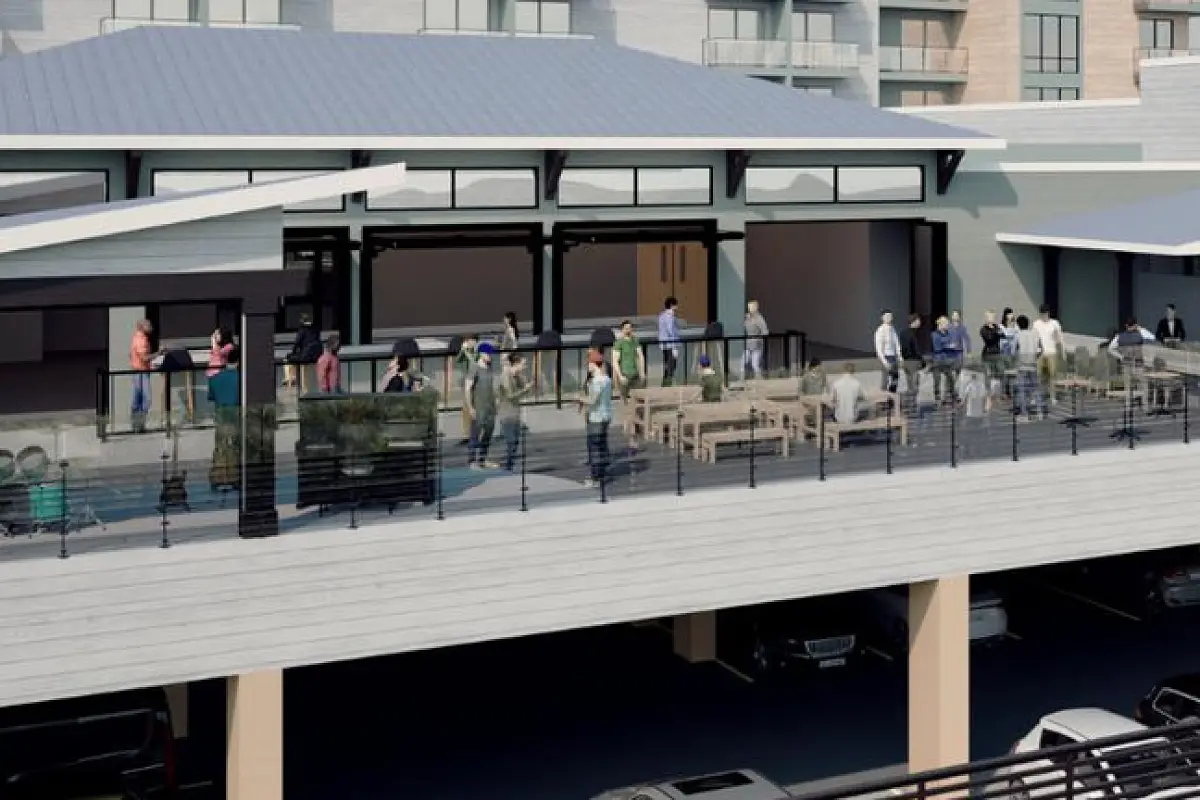
The palm trees along the open-air deck are still there on September 26, when the music starts for the Grand Finale Party. A full lineup of bands. An all-day crowd. The particular energy that gathers when people arrive knowing it is the last time for something, not grief exactly but something adjacent to it, a heightened attention to details that were always ordinary before they became final. Someone orders the tuna nachos. Someone else finds a spot at the bar near the stage where they have stood many times before, in summer heat and in the cooler air of October, watching the ocean from the deck at 227 Carolina Beach Avenue North in the way that people watch the ocean when a tiki bar is giving them the right angle and the right drink to do it from.
SeaWitch Tiki Bar Carolina Beach Will Close on October 3, 2026
The SeaWitch Tiki Bar Carolina Beach has set October 3 as its final day of operation after 31 years as a fixture of the Carolina Beach social scene. Since opening in 1995, the bar and restaurant at 227 Carolina Beach Avenue North has hosted live music, holiday meals, community fundraisers, and film shoots, accumulating the kind of layered local meaning that open-air beach venues acquire when they operate in the same place for long enough to become part of how a community understands itself. Its last weeks will be marked by a series of events designed to give that community a proper farewell rather than simply a closing date.
The property was sold in 2023 to Harmony Hospitality, a Virginia Beach-based company, by Jenni and Alex Gilewicz, who had owned it for many years. Jenni Gilewicz had taken over the business after managing it for a previous owner, a transition that kept the property in hands that understood what it was before she eventually chose to move it on. Harmony Hospitality's plans for the site are substantial: a 140-room resort hotel, a new SeaWitch restaurant, and an oceanfront amenity centre, a redevelopment that will fundamentally change the north end of Carolina Beach while carrying the SeaWitch name into a new structure that will overlook the same ocean from the second level of a two-story building above a parking structure with a 4,000-square-foot ballroom.
What Made SeaWitch What It Was
Grant Meyer, the current manager of SeaWitch, identified the element that most defined the bar's relationship with its community. "It's been a big music venue. That's a huge part of the popularity," he said. The open-air deck and the palm trees that line it created a performance environment that Carolina Beach's musical culture grew around rather than into, a stage that was already there before the bands that played on it became associated with it, which is the difference between a venue that accommodates music and one that generates a musical identity over time.
The tiki bar hosted holiday meals that families returned to annually. It held community fundraisers that connected it to the town around it in ways that a purely commercial entertainment venue rarely manages to sustain. It appeared as a filming location, its distinctive combination of beach aesthetic and open-air layout making it recognisable enough to be useful for productions that needed a Carolina coast bar without ambiguity about what they were representing. One of Carolina Beach's murals lives on its walls, a piece by artist Sharon Dowell celebrating beach music, called Record Weekend. The mural is being honoured with a celebration on September 30, one of the final events before the doors close.
The Farewell Programme and What It Reflects
The sequence of closing events that Harmony Hospitality has organised reflects a specific understanding of what SeaWitch has meant to the people who used it. The Grand Finale Party on September 26 is the most obvious gesture, a full day of live music that acknowledges what Meyer identified as the bar's core identity. But the sip-and-paint event on September 27, where participants can paint a stencilled canvas of the SeaWitch with guidance from local artist Sheila Politis, is a more intimate farewell, an invitation to make something that can be taken home from a place that will no longer exist in its current form.
The OG Bartender Night on October 1 is the closing event that will mean most to the people who spent the most time behind the bar. An invitation to former SeaWitch bartenders to return for one last service describes a hospitality family reunion as much as a promotional event, the particular community that forms among people who have worked the same bar across different years and who share a relationship with a space that customers experience from one side of the counter while staff experience from the other. The public auction on October 4, the day after the final closing, converts the physical contents of the bar into objects that the community can carry away, which is one of the more human ways a beloved place can end.
What Comes Next and What It Will Try to Keep
Alan Nelson, the corporate food and beverage director for Harmony Hospitality, described the company's intention for the new SeaWitch restaurant in terms that acknowledge the weight of what the name carries. "The idea is really to try and bring as much of the stuff that people love about this place over to a new place," he said. His comment matters because it frames the redevelopment as a continuation rather than a replacement, a distinction that the community will test against the reality of the new space when it opens in 2027.
The elements that Nelson and Harmony Hospitality have committed to preserving include an indoor and outdoor bar, some of the popular menu items, specifically mentioning the tuna nachos, and a stage for live music. These three commitments address the three things that most defined the original SeaWitch: the open-air socialising environment, the food that regulars returned for, and the music that gave the bar its deepest community roots. Whether a second-floor restaurant above a parking structure with an ocean view can replicate the particular atmosphere of a palm-tree-lined open-air deck on the beach level is the question that no architectural rendering can answer and that only the first summer season in the new building will begin to resolve.
The Commercial Logic Behind the Change
Harmony Hospitality's decision to redevelop the SeaWitch property into a 140-room hotel with a new restaurant is a straightforward expression of the economics of coastal resort real estate. A site on the north end of Carolina Beach with oceanfront access and established community recognition represents a development opportunity that a well-capitalised hospitality company can monetize more substantially through a full resort complex than through a single-storey tiki bar, however beloved. The 4,000-square-foot ballroom in the new structure, designed for weddings, events, and group functions, addresses a revenue category that the original SeaWitch's concert-and-bar format never fully accessed.
The decision to keep the SeaWitch name on the new restaurant is itself a commercial calculation. The name has thirty-one years of community recognition attached to it, recognition that cannot be purchased through marketing and that new restaurant brands in Carolina Beach would require years to build from scratch. Carrying it forward into the new development converts that accumulated goodwill into an asset that the resort complex inherits rather than having to earn.
A Mural, a Name, and the Things Places Leave Behind
The Record Weekend mural on the SeaWitch's wall is one of the more poignant details of the closing. A piece of public art installed in a private venue occupies an unusual position: it belongs to the community in the way that murals always do, by being seen by everyone who passes through the space, but it does not belong to the community in any legal sense, and its fate when the building comes down is a question the closing events do not entirely resolve. The celebration of it on September 30 gives the community a moment to acknowledge it before it goes, which is the most that can be offered when a mural's survival depends on a building that will not survive.
The tuna nachos will survive, or at least a version of them. The music stage will survive, moved to a second-floor terrace above a parking deck instead of a beach-level deck among palm trees. The SeaWitch name will survive, on signage for a venue whose relationship with the ocean it overlooks will be mediated by elevation and glass rather than the immediate proximity that made the original feel like an extension of the beach it sat beside. Something will be kept. Something will be lost. That is always the accounting when a beloved place ends and another begins in the same address.
October 3 and What It Ends
By the time the last drink is served at SeaWitch on October 3, the bar will have occupied 227 Carolina Beach Avenue North for three decades and one year, through hurricane seasons and off-seasons and the slow accumulation of a community around a place that stayed open when other places on the same street came and went. The people who return for the Grand Finale Party on September 26 will be returning to something that has been there their whole adult lives in some cases, a place whose consistency was part of what made it valuable. The palm trees and the ocean view and the sound of a band playing at the end of the deck are things that a new building cannot be handed. They have to be built again from scratch, which takes time that cannot be shortened by budget or intent. The new SeaWitch will have its own first night eventually, its own first summer, its own first regular who comes back every Friday. That is how places accumulate the meaning that makes their closing worth mourning. It just takes longer than a construction timeline suggests.
Related reading: US and China fast food chains cross the Pacific both ways