Solo Dining Trend Reshapes India’s Restaurant Culture as Individual Experiences Gain Popularity
Solo dining is emerging as a major trend in India, reshaping restaurant culture as more consumers embrace independent dining experiences in 2026.
 Prajakta Sanjay Warwadkar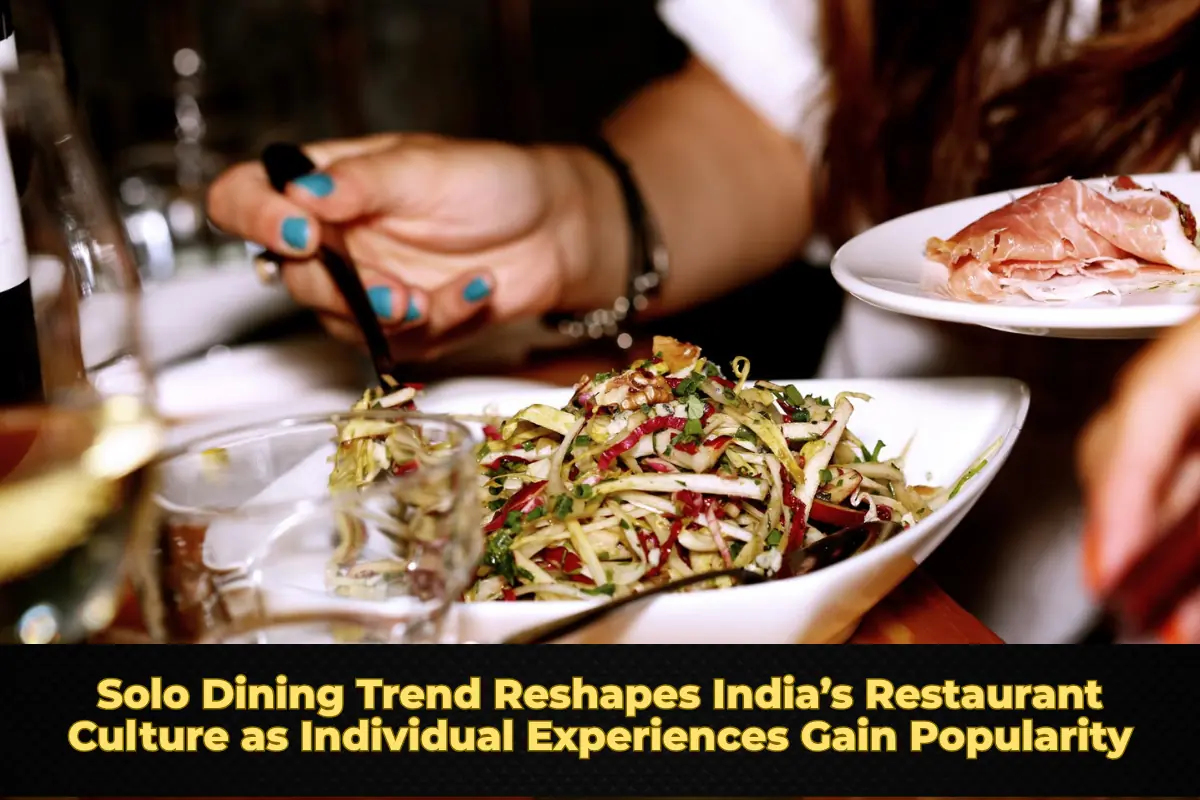
Solo Dining Trend Reshapes India’s Restaurant Culture as Individual Experiences Gain Popularity
Solo dining is rapidly gaining traction across India in 2026, transforming traditional restaurant culture as more consumers choose to dine alone, driven by changing lifestyles, urbanization, and evolving social norms. Restaurants in major cities are increasingly adapting their formats and offerings to cater to individual diners, reflecting a broader shift in consumer behavior within the hospitality industry.
The trend, once considered niche, is now becoming mainstream, particularly among young professionals, students, and urban residents who value flexibility, independence, and personalized experiences. As dining habits evolve, restaurants are recognizing the need to create spaces and menus that accommodate solo customers without compromising comfort or experience.
Changing Social Norms Around Dining Alone
Dining alone, which was previously associated with social stigma in many parts of India, is now being embraced as a normal and even desirable activity. The shift reflects broader societal changes, including increased individualism, busy work schedules, and a growing acceptance of independent lifestyles.
Consumers are increasingly viewing solo dining as an opportunity for self-care, relaxation, or productivity, rather than a sign of isolation. This change in perception has encouraged more people to explore restaurants independently, contributing to the growth of the trend.
The normalization of solo dining is also being influenced by global cultural trends, where eating alone is widely accepted and often celebrated.
Urbanization and Lifestyle Shifts Drive Demand
India’s rapid urbanization has played a significant role in the rise of solo dining. With more people moving to cities for work and education, the number of individuals living alone has increased, leading to greater demand for convenient and flexible dining options.
Long working hours, irregular schedules, and the growth of gig economy jobs have further contributed to the trend, as consumers seek dining experiences that fit their lifestyles. Restaurants located in business districts, malls, and transit hubs are particularly benefiting from this shift.
The rise of digital connectivity has also influenced behavior, with many solo diners using their time to work, browse, or engage on social media while dining.
Restaurants Adapt to Individual Diners
To cater to the growing segment of solo diners, restaurants are rethinking their layouts, service models, and menu offerings. Smaller tables, counter seating, and bar-style arrangements are being introduced to create comfortable spaces for individuals.
Menu innovation is also playing a key role, with many establishments offering single-portion meals, customizable dishes, and quick-service options designed for individual consumption. These changes help reduce waste, improve affordability, and enhance convenience for solo customers.
Some restaurants are also incorporating technology, such as digital ordering systems and self-service kiosks, to streamline the dining experience and provide greater autonomy to customers.
Rise of Experience-Driven Dining
While convenience is a major factor, solo diners are also seeking meaningful and enjoyable experiences. Restaurants are responding by focusing on ambiance, design, and service quality to create environments that feel welcoming rather than isolating.
Elements such as open kitchens, live cooking stations, and interactive dining formats are being used to engage solo customers and enhance their experience. Background music, lighting, and interior design are carefully curated to create a comfortable and inviting atmosphere.
This emphasis on experience aligns with broader industry trends, where dining is increasingly seen as a form of entertainment and personal enrichment.
Impact of Technology and Delivery Platforms
The growth of food delivery platforms has also influenced solo dining behavior, as consumers become accustomed to ordering meals for individual consumption. This has translated into increased confidence in dining alone at restaurants.
Digital platforms are further supporting the trend by offering personalized recommendations, reviews, and promotions that cater to individual preferences. Restaurants are leveraging these tools to attract solo diners and build customer loyalty.
Social media has also played a role in normalizing solo dining, with influencers and content creators sharing their experiences and encouraging others to do the same.
Opportunities for the Hospitality Industry
The rise of solo dining presents significant opportunities for the restaurant industry. By targeting individual diners, businesses can tap into a growing market segment and increase table turnover, particularly during off-peak hours.
Solo diners often exhibit different spending patterns compared to groups, with a focus on quality, convenience, and value. Understanding these preferences allows restaurants to tailor their offerings and maximize revenue potential.
The trend also opens up possibilities for new concepts, such as single-diner cafes, communal seating spaces, and hybrid work-and-dine environments.
Challenges and Considerations
Despite its growth, the solo dining trend presents challenges for restaurant operators. Designing spaces that accommodate both individual and group diners requires careful planning to ensure optimal utilization of space and resources.
Pricing strategies must also be adjusted, as single diners may be more sensitive to portion sizes and value perception. Restaurants need to balance affordability with profitability while maintaining quality.
Additionally, staff training is important to ensure that solo diners receive attentive yet unobtrusive service, enhancing their overall experience.
Consumer Behavior and Future Outlook
The continued growth of solo dining is expected to shape the future of India’s restaurant industry. As consumer preferences evolve, the demand for flexible, personalized, and experience-driven dining options is likely to increase.
Younger generations, in particular, are expected to drive this trend, as they prioritize independence and convenience in their lifestyles. Restaurants that can effectively adapt to these preferences will be better positioned to succeed in a competitive market.
Industry experts suggest that solo dining will become a permanent feature of India’s food culture, influencing everything from restaurant design to menu development and marketing strategies.
Conclusion
The rise of solo dining in India reflects a broader shift in consumer behavior, as restaurants adapt to meet the needs of individual diners and redefine traditional dining experiences in an evolving hospitality landscape.