Spring Restaurant Week Concludes After Boosting Dining Activity with Special Menus
Spring Restaurant Week concludes after two weeks of special menus, driving increased customer turnout and boosting local restaurant activity.
 Prajakta Sanjay Warwadkar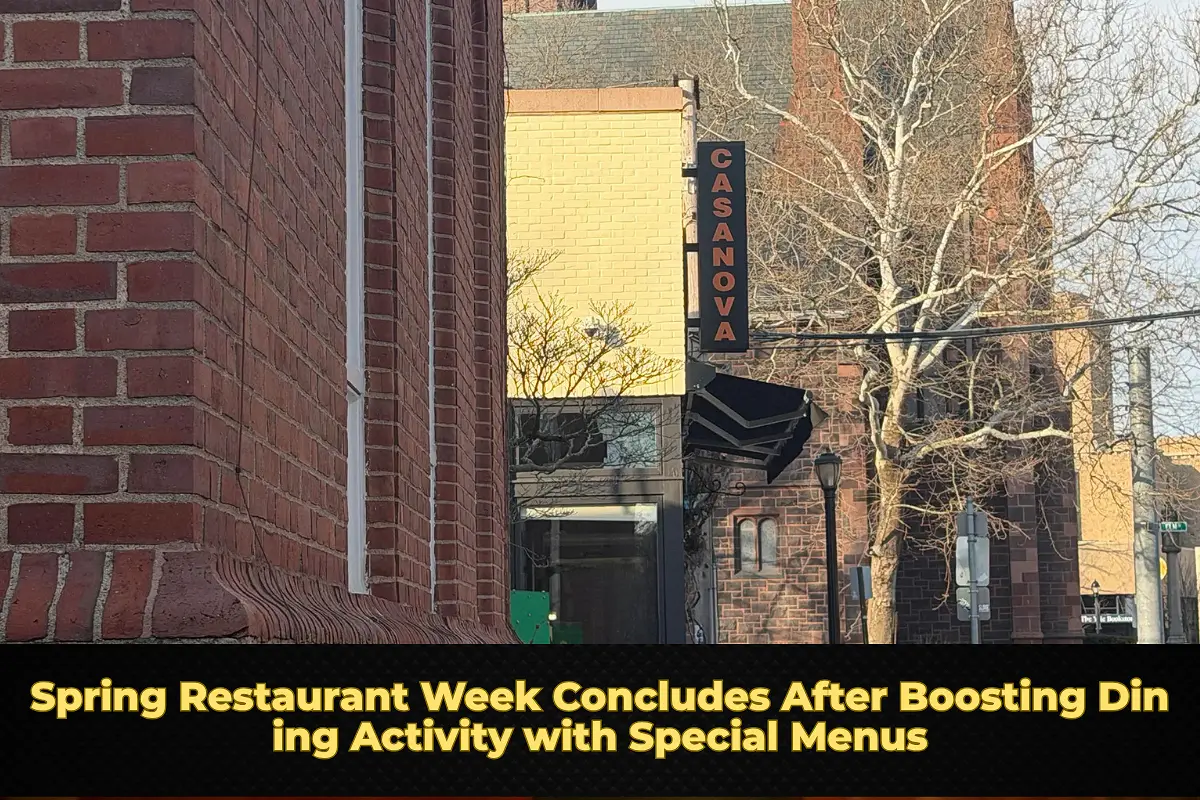
Spring Restaurant Week Concludes After Boosting Dining Activity with Special Menus
Spring Restaurant Week concluded this week after a two-week run of special dining promotions, offering discounted and curated menus across participating restaurants and drawing increased customer turnout. The event, held in multiple locations including New Haven, aimed to support local restaurants while encouraging diners to explore a variety of culinary offerings at accessible price points.
The initiative brought together a wide range of restaurants, each presenting limited-time menus designed to highlight signature dishes and seasonal ingredients. Organizers and restaurant operators reported steady foot traffic throughout the event, with many establishments experiencing a noticeable uptick in reservations and walk-in customers.
Driving Customer Engagement Through Promotions
Restaurant Week events have become a key strategy for boosting customer engagement in the hospitality industry. By offering fixed-price menus, restaurants are able to attract diners who may be more hesitant to spend on full-priced meals, while also introducing them to new dining experiences.
During the Spring Restaurant Week period, participating venues leveraged the opportunity to showcase their culinary strengths and expand their customer base. The promotional format allowed diners to sample multi-course meals at a reduced cost, encouraging repeat visits and word-of-mouth recommendations.
Operators noted that such events help fill seats during slower periods and generate consistent business over the duration of the promotion.
Supporting Local Restaurants
The event played an important role in supporting local restaurants, particularly independent establishments that rely on community engagement to sustain operations. Increased visibility during Restaurant Week often translates into long-term customer relationships beyond the promotional period.
For many restaurants, the event served as both a marketing tool and a revenue driver. By attracting new customers, businesses were able to build awareness and strengthen their presence in a competitive dining landscape.
Local dining initiatives like Restaurant Week also contribute to the broader economic ecosystem by supporting suppliers, staff employment, and related businesses.
Diverse Culinary Offerings
One of the defining features of Spring Restaurant Week was the diversity of cuisines and dining experiences available to customers. From casual eateries to upscale restaurants, participants offered a wide range of menu options catering to different tastes and preferences.
Seasonal ingredients played a central role in menu design, with many chefs incorporating fresh, locally sourced produce into their dishes. This approach not only enhances flavor profiles but also aligns with growing consumer interest in sustainability and farm-to-table practices.
The variety of offerings encouraged diners to explore new restaurants and cuisines, contributing to a dynamic and engaging food scene.
Impact on Reservation Trends
Restaurants reported a significant increase in reservations during the two-week period, with peak demand observed during evenings and weekends. Online booking platforms and digital marketing campaigns played a key role in driving awareness and facilitating customer access to participating venues.
Some establishments introduced extended hours or additional seating arrangements to accommodate the surge in demand. The ability to manage higher volumes effectively was critical in ensuring a positive customer experience.
Industry observers note that Restaurant Week events often provide valuable insights into customer preferences and dining patterns, which can inform future business strategies.
Challenges and Operational Considerations
While the event generated increased business, it also presented operational challenges for participating restaurants. Managing higher customer volumes requires careful coordination of staff, inventory, and service processes.
Maintaining consistent quality and service standards during peak periods is essential to ensuring customer satisfaction. Restaurants that successfully balance efficiency with quality are more likely to benefit from repeat visits and positive reviews.
Cost management is another important factor, as discounted menus must be structured in a way that remains financially viable for operators.
Role of Events in the Hospitality Industry
Restaurant Week initiatives have become an integral part of the hospitality industry’s promotional calendar. These events not only drive short-term revenue but also contribute to long-term brand building and customer loyalty.
As consumer behavior continues to evolve, experiential dining and value-driven offerings are gaining importance. Events like Spring Restaurant Week align with these trends by combining affordability with curated experiences.
Tourism boards and local organizations often support such initiatives, recognizing their potential to attract visitors and enhance the city’s reputation as a dining destination.
Economic and Community Impact
Beyond individual restaurants, the event had a broader economic impact by stimulating activity in surrounding areas. Increased foot traffic benefited nearby businesses, including retail stores and entertainment venues.
Community engagement was also a key aspect, as diners came together to support local establishments. The collaborative nature of Restaurant Week fosters a sense of connection between businesses and customers.
Such initiatives are particularly valuable in strengthening local economies and promoting sustainable growth within the hospitality sector.
Looking Ahead
With the conclusion of Spring Restaurant Week, participating restaurants are expected to evaluate the outcomes and assess the impact on their operations. Insights gained during the event can inform future promotional strategies and menu development.
Many operators are likely to continue engaging with customers through targeted offers and events, building on the momentum generated during the two-week period. The success of the initiative reinforces the importance of innovative marketing approaches in a competitive industry.
Organizers may also consider expanding future editions of Restaurant Week to include more participants and extended durations, further enhancing its reach and impact.
Conclusion
Spring Restaurant Week has concluded after successfully driving customer engagement and supporting local restaurants, with its impact expected to extend beyond the event as businesses build on increased visibility and customer connections.