StreetEasy Launches 2046 Restaurant Reservation Campaign
StreetEasy launches a future-themed restaurant reservation campaign imagining dining plans in 2046. Read more for the full story.
 Prajakta Sanjay Warwadkar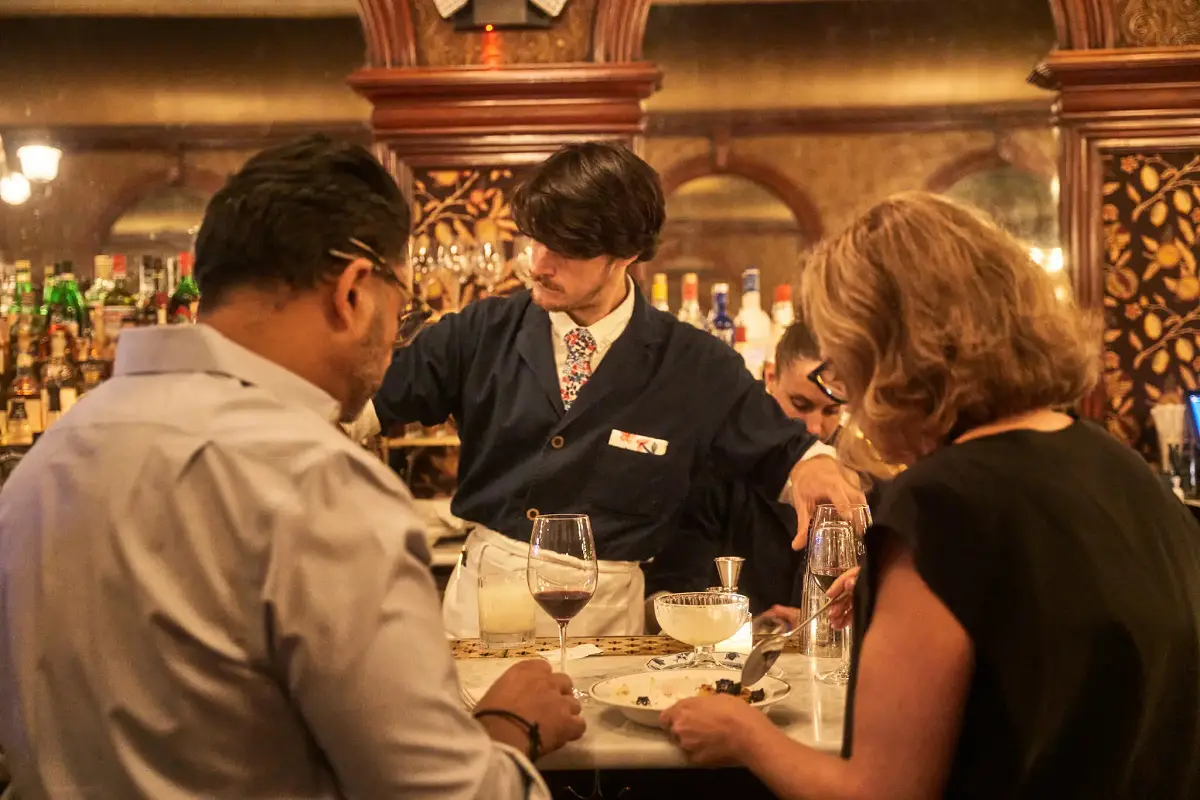
NEW YORK, May 22, 2026 — StreetEasy has rolled out a future-focused marketing campaign centered on restaurant reservations and long-term urban living, using the idea of booking dining tables decades ahead to highlight changing lifestyles in major cities. The campaign imagines New Yorkers coordinating restaurant plans as far ahead as the year 2046, blending hospitality culture with housing and city-life conversations.
The initiative arrives as reservation behavior continues to evolve across the restaurant industry. Consumers increasingly plan dining experiences around major occasions, limited seating events and destination restaurants, especially in large metropolitan markets where demand remains high.
StreetEasy Uses Dining Culture to Frame Urban Living
The campaign places restaurant reservations at the center of a broader discussion about city routines and long-term planning. Instead of focusing solely on real estate, StreetEasy uses dining habits to reflect how residents organize social lives, housing decisions and neighborhood preferences.
Restaurant reservations have become part of lifestyle identity in cities such as New York, where consumers often compete for access to limited-seat restaurants, chef collaborations and special tasting menus.
The campaign’s storytelling approach reflects how hospitality and lifestyle branding increasingly overlap. Restaurants now influence residential appeal, tourism traffic and even neighborhood development patterns.
Restaurant Reservation Demand Continues to Shift
Digital booking platforms have transformed how diners secure tables. Restaurants across the United States continue to rely on reservation systems to manage demand, reduce wait times and improve guest planning.
High-demand dining venues now frequently release reservations weeks or months in advance. In some cases, special events and exclusive chef experiences sell out within minutes.
Industry analysts say reservation behavior changed significantly after the pandemic era, with consumers placing greater value on guaranteed seating and curated dining experiences.
According to the restaurant industry overview, technology adoption has reshaped guest engagement, particularly in urban hospitality markets.
Hospitality Marketing Expands Beyond Food
Restaurant-related campaigns increasingly connect with entertainment, travel and residential branding. Hospitality businesses now market experiences rather than only menu items.
StreetEasy’s campaign follows that broader shift. By linking future restaurant reservations with long-term city living, the company positions dining culture as part of modern urban identity.
Marketing agencies working with hospitality brands have leaned into nostalgia, future-focused storytelling and lifestyle humor to attract younger audiences. Campaigns tied to food culture often gain traction because they connect with everyday routines.
Restaurants Continue Investing in Experience-Led Dining
Operators across the hospitality sector continue expanding experience-driven concepts. Restaurants increasingly invest in chef tables, seasonal menus, limited-event collaborations and reservation-only formats.
Industry executives say consumers are prioritizing experiences over traditional spending categories. That trend has helped premium dining concepts maintain interest despite broader economic uncertainty.
Urban restaurant operators also continue experimenting with dynamic pricing, prepaid reservations and member-access dining models to manage demand more efficiently.
Additional restaurant business insights are available through restaurant industry growth trends.
City Dining Remains a Core Part of Social Life
Restaurant culture continues shaping social interaction in major cities. Dining venues increasingly function as networking spaces, celebration destinations and cultural gathering points.
Consumers also continue seeking restaurants tied to storytelling, design and local identity. That shift has encouraged hospitality brands to focus more heavily on ambiance, exclusivity and customer engagement.
In competitive urban markets, reservation access itself has become part of the dining experience. Limited availability can drive consumer interest and increase visibility across social media platforms.
Future-Themed Campaigns Gain Attention in Hospitality
Future-oriented campaigns have become more common across hospitality and consumer brands. Companies increasingly use speculative storytelling to spark conversations around changing lifestyles and technology.
StreetEasy’s campaign reflects that direction by combining humor with familiar restaurant reservation frustrations. The concept resonates with audiences familiar with long waitlists and hard-to-book dining spots.
Hospitality marketers continue experimenting with campaigns that connect food culture to broader lifestyle themes, especially in digitally engaged urban audiences.
The latest campaign also highlights how restaurants remain deeply connected to conversations about community, mobility and city living.