Texas Chicken Signs China Deal to Open 600+ Stores, Debuts in Shanghai
Texas Chicken will enter China with a 600-store franchise deal, opening its first outlet in Shanghai this summer as part of its largest international expansion.
 Prajakta Sanjay Warwadkar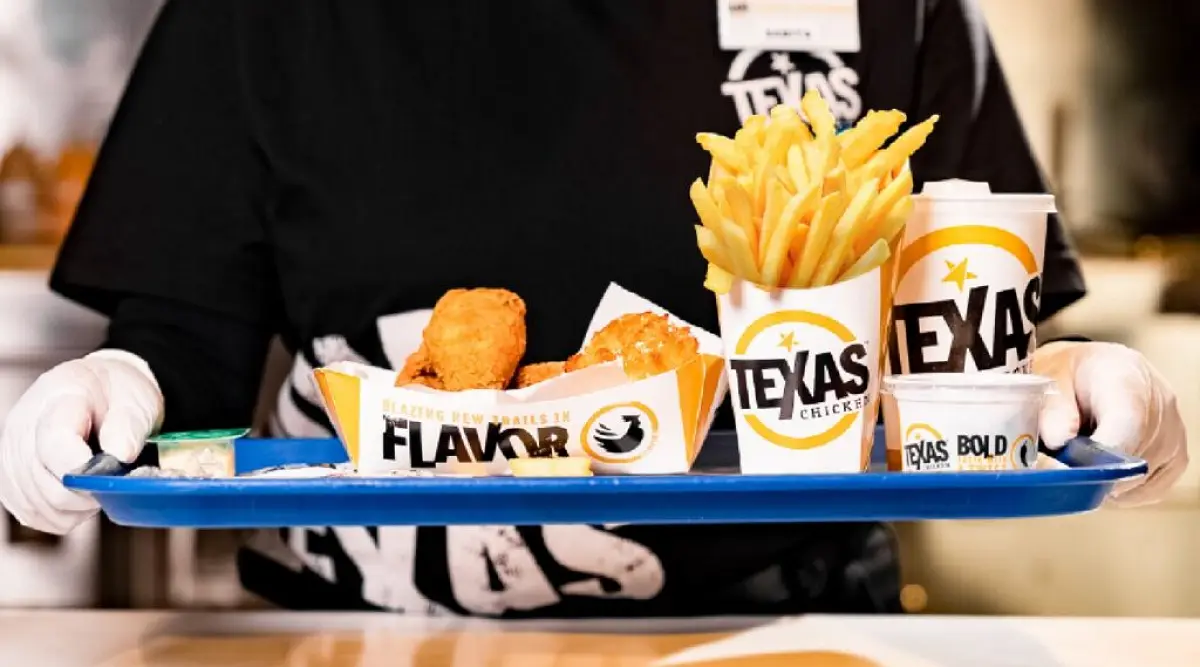
Texas Chicken has signed a major franchise agreement to enter China, committing to open more than 600 restaurants nationwide, with its first outlet scheduled to launch in Shanghai in summer 2026. The move marks the brand’s 27th international market and its largest global development deal to date.
The agreement has been finalised with Deke Shengtang, a local multi-brand quick-service restaurant (QSR) operator. Under the terms of the partnership, the two companies will collaborate to roll out over 600 locations across China over the coming years, signalling a long-term investment in one of the world’s most competitive foodservice markets.
Largest International Development Deal
The China expansion represents the most significant international franchise agreement in Texas Chicken’s history. The scale of the deal reflects the company’s strategic focus on high-growth global markets, particularly in Asia, where consumer demand for quick-service dining continues to rise.
Company executives highlighted China’s position as a key consumer market, citing its size, urbanisation trends, and evolving dining habits as core drivers behind the expansion decision. The partnership structure allows the brand to leverage local expertise while maintaining its global operating standards.
Deke Shengtang’s role will include site development, operations, and localisation strategies, enabling faster market penetration across multiple regions in China.
Shanghai to Host First Outlet
The first Texas Chicken restaurant in China is set to open in Shanghai, one of the country’s most prominent commercial and culinary hubs. The initial launch will serve as a benchmark for future outlets, with additional locations expected to follow shortly after.
While specific details regarding store formats, menu adaptations, and expansion timelines remain undisclosed, the company indicated that further information will be released closer to the launch period.
Shanghai’s role as the entry point reflects a common strategy among international QSR brands, using tier-one cities to establish brand recognition before expanding into other urban markets.
Partnership Strategy and Local Expertise
The collaboration with Deke Shengtang underscores Texas Chicken’s reliance on local partners to navigate regulatory frameworks, supply chains, and consumer preferences in China. The partner’s experience in managing multiple QSR brands is expected to support operational efficiency and scalability.
Executives emphasised the importance of aligning with a partner capable of executing large-scale rollouts while adapting to local market dynamics. This approach is consistent with broader industry practices, where international brands partner with regional operators to mitigate risks and accelerate growth.
The agreement also reflects confidence in China’s long-term potential, despite increasing competition within the QSR segment from both domestic and international players.
Global Footprint and Brand Background
Texas Chicken operates as the international arm of Church’s Texas Chicken, a brand founded in San Antonio, Texas, in 1952 by George W. Church Sr. The company has grown into a global QSR chain with more than 1,400 locations worldwide.
The China entry adds to the brand’s expanding international footprint, which spans multiple regions including the Middle East, Asia-Pacific, and Latin America. The latest deal reinforces its strategy of scaling through franchise-led growth in high-demand markets.
With China now added to its portfolio, Texas Chicken continues to strengthen its position within the global fast-food industry, focusing on large-scale development agreements to drive long-term expansion.
Expansion Signals Competitive Intent
The 600-store commitment places Texas Chicken among the growing number of international QSR brands targeting China for large-format expansion. The market’s size and evolving consumer base continue to attract global operators seeking to establish or expand their presence.
The company’s entry comes amid intensifying competition, where brands are increasingly differentiating through localisation, pricing strategies, and operational efficiency. The scale of the agreement indicates an aggressive growth approach, positioning Texas Chicken to compete across multiple city tiers.
As the rollout progresses, the success of the Shanghai launch and early-phase expansion will be critical in determining the brand’s long-term trajectory in the Chinese market.