The Silver Train Mumbai Introduces Seven-Day Rotating Royal Thali Concept
The Silver Train in Mumbai launches a seven-day rotating thali inspired by royal Indian kitchens, featuring heritage recipes and regional cuisines.
 Prajakta Sanjay Warwadkar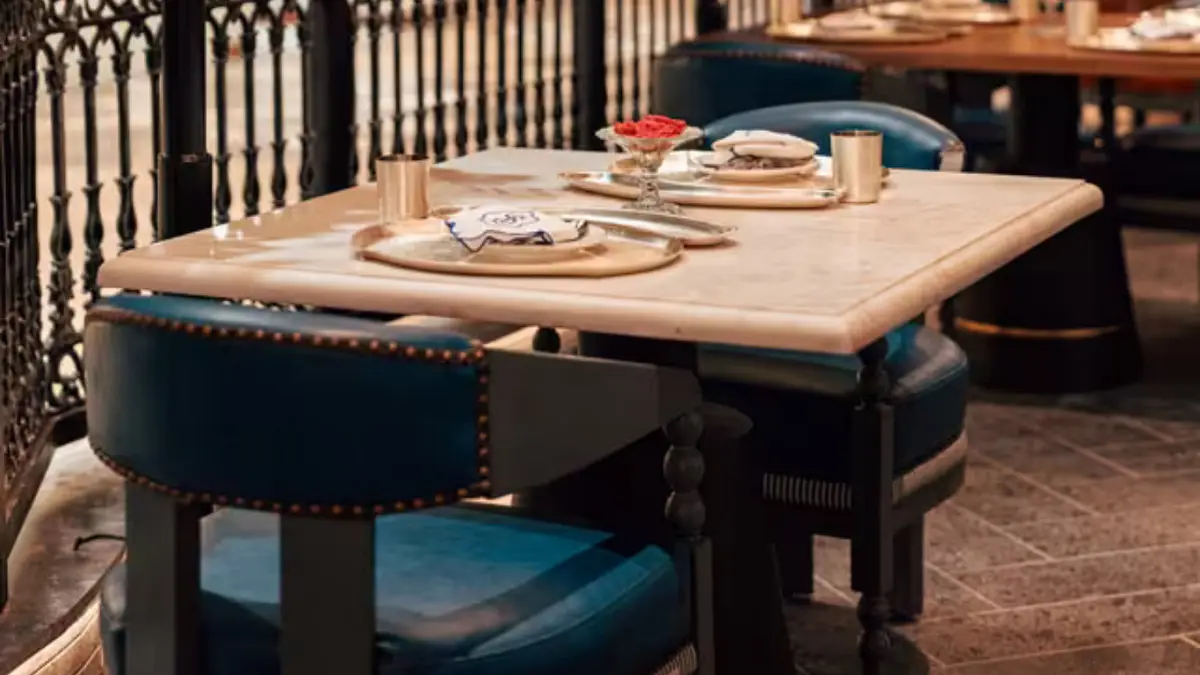

A new dining concept focused on India’s royal culinary heritage has been introduced in Mumbai with the launch of The Silver Train at Palladium. The restaurant presents a seven-day rotating thali format built around recipes sourced from historic palace kitchens, positioning itself within the experience-led dining segment.
The concept has been developed by Shravan Juvvadi in collaboration with Chef Anuradha Joshi Medhora, who leads the culinary direction. The offering centres on curated thalis that change daily, drawing from regional royal cuisines and historical food traditions across India.
Seven-Day Rotating Thali Anchors Core Offering
The primary feature of The Silver Train is its “Silver Thali,” a rotating menu that presents a different set of dishes each day of the week. The structure allows the restaurant to showcase a wide range of recipes, preventing repetition and encouraging repeat visits.
Each thali includes multiple courses representing distinct palace kitchens and regional traditions. The format integrates dishes sourced from historical references such as archival recipes, oral traditions, and documented culinary practices of royal households.
The menu design ensures that diners encounter a varied selection of dishes across visits, with the restaurant positioning the experience as an evolving representation of Indian heritage cuisine rather than a fixed menu format.
Menu Draws from Diverse Royal Kitchens
The food offering spans multiple regions and culinary traditions. Dishes include Rampur-style maash ki dal, Baroda-inspired saatvik varan, and Mewar-based preparations such as dahi bhindi. The menu also features items like Jodhpuri laal maas, Dogra kokar kofta, and Bilaspur baingan preparations, reflecting a wide geographic spread.
Seafood and non-vegetarian options are integrated alongside vegetarian dishes, including almond and coconut-based prawn preparations and region-specific chicken dishes such as Gondia murg. Additional offerings include items like kathal kebabs from Malwa and rice preparations inspired by Tripura.
The bread selection forms a significant part of the experience, with multiple variants such as almond naan and sheer maal included as part of the meal. Traditional accompaniments, including white butter, are also served to complement the dishes.
Portion-Based Ordering Model Introduced
The restaurant has implemented a portion-based ordering system structured as “Ek, Do, Chaar,” allowing diners to select serving sizes based on group requirements. This approach aims to address the common challenge of balancing variety with portion control in Indian dining.
The format enables single diners or smaller groups to sample multiple dishes without committing to full portions, while larger groups can scale their orders accordingly. This model aligns with broader industry trends focused on flexibility and shared dining experiences.
Beverage Program Includes Signature and Non-Alcoholic Options
The beverage menu has been designed to complement the food offering, featuring both alcoholic and non-alcoholic options. Signature drinks include clarified milk punch variants and reinterpretations of classic cocktails incorporating Indian ingredients such as herbs and botanicals.
The restaurant also offers a range of zero-proof beverages under its “Drytales” category, incorporating fruits such as jamun, chikoo, custard apple, and mulberry. This aligns with increasing demand for non-alcoholic beverage options in premium dining environments.
Design and Experience Reflect Heritage Theme
The restaurant’s interiors are designed to evoke elements associated with royal settings, incorporating handcrafted décor, ceramic installations, and thematic design features. The concept draws inspiration from historical dining traditions, including the idea of a miniature railway used to serve food in royal households.
The overall design integrates visual elements intended to reinforce the heritage narrative while maintaining a contemporary dining environment. The experience is positioned as immersive, combining food, design, and storytelling.
Positioning Within Mumbai’s Dining Market
The Silver Train enters Mumbai’s competitive hospitality sector at a time when experiential dining concepts are gaining traction. By focusing on historical authenticity and rotating menus, the restaurant differentiates itself from conventional fine dining formats.
The emphasis on regional diversity, heritage recipes, and flexible portioning reflects broader industry trends toward personalization and storytelling in dining. The concept adds to the city’s evolving culinary landscape, where operators are increasingly exploring niche formats to attract repeat engagement.
The restaurant is currently operational at Palladium, offering its rotating thali experience as its primary proposition, with no additional expansion details disclosed at this stage.