Thompson Restaurants Expands Strategy with Introduction of Franchising Model
Thompson Restaurants is introducing franchising into its multi-brand strategy to accelerate growth and expand its footprint in the competitive restaurant industry.
 Prajakta Sanjay Warwadkar
Thompson Restaurants Expands Strategy with Introduction of Franchising Model
Thompson Restaurants, a multi-brand restaurant operator, is introducing franchising into its business model in 2026 to accelerate expansion, diversify revenue streams, and strengthen its position in the competitive foodservice industry. The move marks a strategic shift for the company, which has traditionally focused on company-owned operations across its portfolio of restaurant concepts.
The decision to incorporate franchising comes as restaurant operators increasingly look for scalable growth models that reduce capital expenditure while enabling faster market penetration. By opening its brands to franchise partners, Thompson Restaurants aims to expand its footprint across new regions and tap into local market expertise.
Strategic Shift Toward Scalable Growth
The addition of franchising represents a significant evolution in Thompson Restaurants’ growth strategy. Historically reliant on direct ownership, the company is now adopting a hybrid model that combines corporate-owned locations with franchised outlets.
This approach allows the company to scale more efficiently, as franchisees invest in new locations while adhering to the brand’s established standards and operational frameworks. The shift aligns with broader industry trends, where franchising is increasingly viewed as a key driver of expansion.
Executives within the company have indicated that the move is designed to unlock new growth opportunities while maintaining control over brand quality and customer experience.
Leveraging a Multi-Brand Portfolio
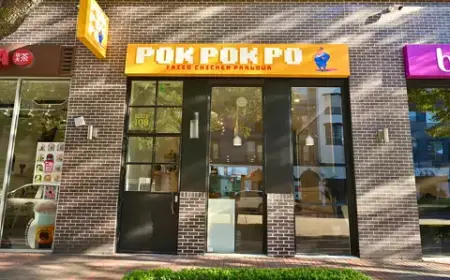
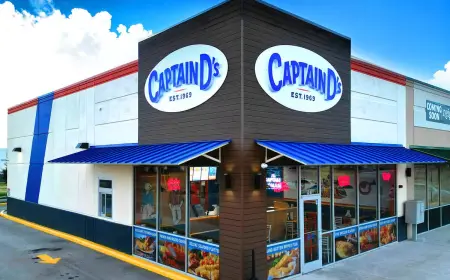
Thompson Restaurants operates multiple restaurant concepts, each targeting different market segments and dining preferences. The introduction of franchising enables the company to leverage this diversified portfolio more effectively, offering franchise partners a range of brand options to invest in.
This multi-brand strategy provides flexibility in expansion, allowing the company to adapt to regional market demands and consumer preferences. Franchisees can select concepts that best fit their local markets, enhancing the likelihood of success.
The ability to scale multiple brands simultaneously gives Thompson Restaurants a competitive advantage in capturing market share across diverse geographies.
Franchising as a Growth Catalyst
Franchising has long been a proven model for rapid expansion in the restaurant industry, enabling companies to grow without the financial burden of owning every location. For Thompson Restaurants, this model is expected to serve as a catalyst for accelerated growth.
By partnering with franchise operators, the company can enter new markets more quickly and efficiently. Franchisees bring local knowledge, operational expertise, and investment capital, all of which contribute to successful market entry and sustained performance.
The franchising model also creates additional revenue streams through franchise fees and ongoing royalties, enhancing the company’s financial stability.
Maintaining Brand Consistency and Quality
One of the key challenges in franchising is ensuring consistency in brand standards and customer experience across all locations. Thompson Restaurants is expected to implement comprehensive training programs, operational guidelines, and quality control measures to address this challenge.
Maintaining uniformity in food quality, service standards, and brand identity is critical to preserving customer trust and loyalty. The company’s ability to effectively manage franchise operations will play a crucial role in the success of the new strategy.
Technology and centralized support systems are likely to be used to monitor performance and ensure compliance with brand standards.
Industry Trends Driving the Shift
The move toward franchising reflects broader trends in the restaurant industry, where operators are increasingly seeking asset-light growth models. Rising costs, including real estate, labor, and raw materials, have made traditional expansion more challenging.
Franchising offers a solution by distributing financial risk and enabling faster expansion. Many successful global restaurant brands have adopted this model, demonstrating its effectiveness in achieving large-scale growth.
Thompson Restaurants’ decision to embrace franchising positions it in line with these industry dynamics, allowing it to remain competitive in a rapidly evolving market.
Opportunities for Franchise Partners
The introduction of franchising creates new opportunities for entrepreneurs and investors to partner with Thompson Restaurants. Franchisees gain access to established brands, proven business models, and ongoing support from the company.
This partnership model reduces the risks associated with starting an independent restaurant, as franchisees benefit from brand recognition and operational expertise. In return, they are required to adhere to the company’s standards and contribute to its overall growth.
The success of the franchising initiative will depend on the company’s ability to attract and retain high-quality franchise partners.
Operational and Market Challenges
While franchising offers significant growth potential, it also presents challenges, including maintaining quality control, managing franchise relationships, and navigating regulatory requirements in different markets.
Economic uncertainties and shifting consumer preferences may also impact the performance of franchised locations. Thompson Restaurants will need to remain agile and responsive to market changes to ensure long-term success.
Effective communication and collaboration between the company and its franchise partners will be essential in addressing these challenges.
Future Expansion Plans
Looking ahead, Thompson Restaurants is expected to prioritize key markets for its franchising rollout, focusing on regions with strong demand and growth potential. The company may also explore international expansion opportunities as part of its long-term strategy.
The integration of franchising into its business model provides a foundation for sustained growth, enabling the company to scale its operations while maintaining financial flexibility.
Continued investment in brand development, technology, and customer experience will support the success of the expansion efforts.
Conclusion
Thompson Restaurants’ introduction of franchising marks a strategic shift toward scalable growth in 2026, positioning the company to expand its multi-brand portfolio and strengthen its presence in the global restaurant industry.