US Restaurants Rethink Alcohol Strategies Amid Changing Consumer Drinking Habits
Restaurants across the United States are adjusting alcohol offerings as shifting consumer preferences and declining drinking trends reshape the hospitality industry.
 Prajakta Sanjay Warwadkar
US Restaurants Adapt to Shifting Alcohol Consumption Trends
Restaurants across the United States are reevaluating their alcohol strategies in 2026 as changing consumer habits, including reduced alcohol consumption and increased demand for alternative beverages, reshape the hospitality industry. Operators are adjusting menus, pricing, and service models to align with evolving preferences and maintain profitability in a competitive market.
The shift comes as more diners opt for low-alcohol or alcohol-free options, driven by health considerations, lifestyle changes, and broader cultural trends. This transformation is prompting restaurants to rethink the role of alcoholic beverages, which have traditionally been a key driver of revenue and margins.
Declining Alcohol Consumption Influences Business Models
Alcohol sales have long been a cornerstone of restaurant profitability, often delivering higher margins than food items. However, recent changes in consumer behavior are challenging this model, as a growing number of customers reduce their alcohol intake or abstain altogether.
This trend is particularly evident among younger demographics, who are increasingly prioritizing wellness and mindful consumption. As a result, restaurants are experiencing shifts in sales patterns, with some reporting lower alcohol revenues while others see growth in non-alcoholic offerings.
Operators are responding by diversifying their beverage menus and exploring new ways to engage customers who may not be interested in traditional alcoholic drinks.
Rise of Non-Alcoholic and Low-Alcohol Alternatives
The demand for non-alcoholic and low-alcohol beverages has grown significantly, leading restaurants to expand their offerings in this category. Options such as alcohol-free cocktails, specialty mocktails, and non-alcoholic beers and wines are becoming more common on menus.
These beverages are often crafted with the same level of creativity and attention to detail as traditional cocktails, allowing restaurants to maintain a premium experience while catering to changing preferences. The introduction of such options also helps establishments attract a broader customer base.
For many operators, this shift represents an opportunity to innovate and differentiate themselves in a crowded market.
Impact on Menu Design and Pricing Strategies
As alcohol consumption patterns evolve, restaurants are revisiting their menu design and pricing strategies to ensure they remain competitive and profitable. Beverage menus are being restructured to highlight both alcoholic and non-alcoholic options, with an emphasis on variety and quality.
Pricing strategies are also being adjusted, as operators seek to balance affordability with profitability. Non-alcoholic beverages, once considered secondary offerings, are now being positioned as premium products with pricing that reflects their value.
This approach allows restaurants to offset potential declines in alcohol sales while maintaining overall revenue levels.
Changing Role of Bars Within Restaurants
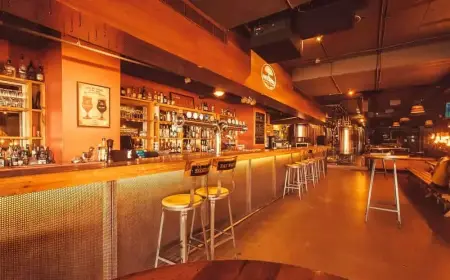
The role of the bar within restaurants is also evolving in response to shifting consumer behavior. Traditionally seen as a focal point for social interaction and revenue generation, bars are now being reimagined to accommodate a wider range of preferences.
Some establishments are redesigning their spaces to create more inclusive environments, where customers can enjoy both alcoholic and non-alcoholic beverages in a social setting. Others are focusing on experiential elements, such as interactive drink preparation and curated tasting experiences.
These changes reflect a broader effort to adapt to new customer expectations while preserving the social aspects of dining.
Operational Challenges and Opportunities
The transition toward diversified beverage offerings presents both challenges and opportunities for restaurant operators. On one hand, developing new menu items and sourcing alternative products can require additional investment and operational adjustments.
On the other hand, the shift provides an opportunity to tap into emerging market segments and build stronger connections with customers who value innovation and inclusivity. Restaurants that successfully adapt to these changes are likely to gain a competitive advantage.
Staff training is also becoming increasingly important, as employees must be equipped to prepare and promote a wider range of beverages.
Broader Industry Implications
The changes in alcohol consumption are not limited to restaurants but are part of a broader transformation within the hospitality and beverage industries. Producers, distributors, and retailers are all responding to evolving consumer preferences, leading to increased availability of non-alcoholic products.
This shift is influencing supply chains, marketing strategies, and product development across the sector. Collaboration between restaurants and beverage suppliers is becoming more important as both parties seek to capitalize on new opportunities.
Industry analysts note that the trend toward reduced alcohol consumption is likely to continue, driven by long-term changes in consumer behavior.
Focus on Experience and Value
As the role of alcohol in dining evolves, restaurants are placing greater emphasis on overall experience and value. This includes enhancing food quality, improving service, and creating memorable dining environments that encourage repeat visits.
By focusing on the broader customer experience, operators can reduce their reliance on alcohol sales and build more sustainable business models. This approach aligns with the growing importance of experiential dining in the hospitality industry.
Restaurants that can deliver consistent quality and adapt to changing preferences are better positioned to succeed in this evolving landscape.
Future Outlook for Restaurant Beverage Strategies
The future of restaurant beverage strategies in the United States is expected to be shaped by continued innovation and adaptation. As consumer preferences evolve, operators will need to remain flexible and responsive to new trends.
Technology may also play a role, with digital menus and data analytics helping restaurants better understand customer behavior and optimize their offerings. Sustainability considerations are likely to influence product selection and sourcing practices as well.
Ultimately, the ability to balance tradition with innovation will be key to navigating the changing dynamics of the beverage market.
Conclusion
US restaurants are rethinking their approach to alcohol as shifting consumer habits redefine the role of beverages in dining. By embracing new trends and diversifying their offerings, operators are adapting to a rapidly changing market while seeking to maintain growth and profitability.
The transition remains ongoing as restaurants continue to refine their strategies in response to evolving consumer expectations.