Wave of New Restaurant Openings Signals Strong Growth Momentum in UK Dining Scene in 2026
A surge in new restaurant openings across the UK in 2026 highlights renewed growth, innovation, and investor confidence in the dining sector.
 Prajakta Sanjay Warwadkar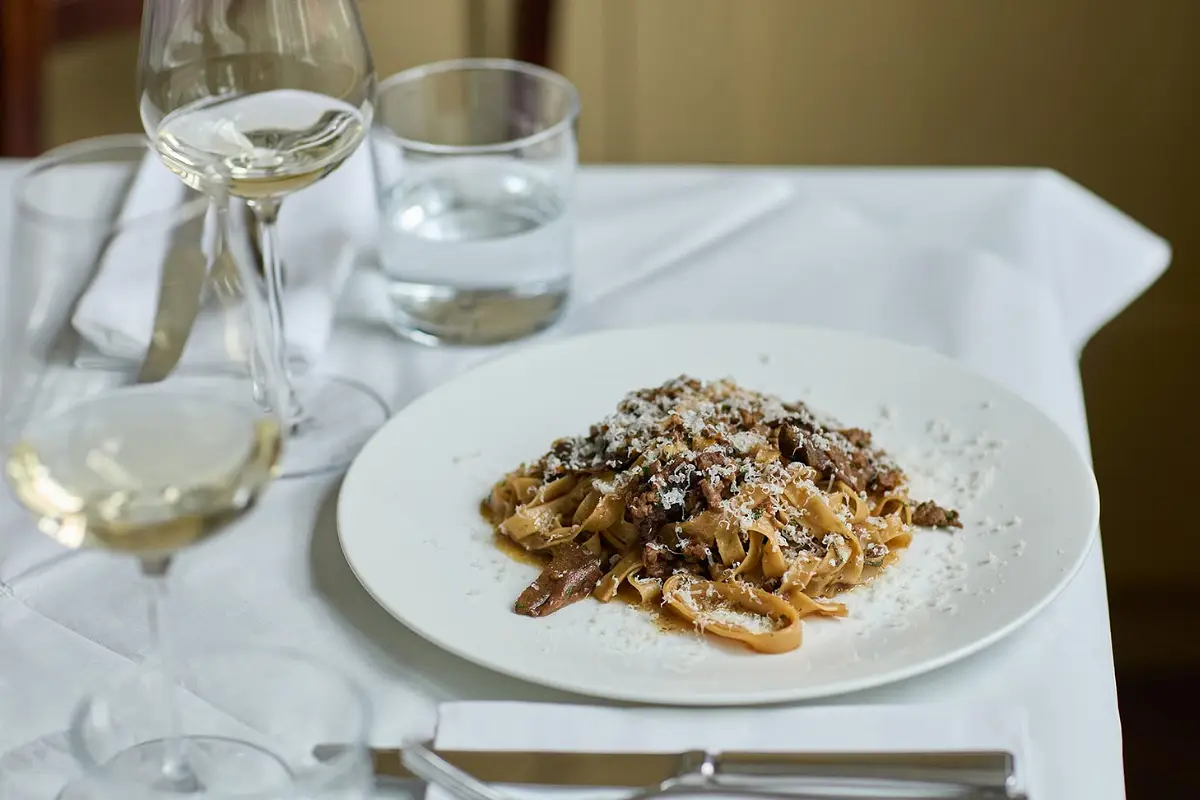
Wave of New Restaurant Openings Signals Strong Growth Momentum in UK Dining Scene in 2026
The United Kingdom’s restaurant industry is witnessing a surge in new openings in 2026, with a diverse range of concepts launching across major cities and regional hubs, signaling renewed confidence in the dining sector and a strong recovery in consumer demand.
From fine dining establishments to casual eateries and innovative hybrid concepts, operators are expanding their presence to capture evolving consumer preferences. The wave of openings reflects a combination of investor optimism, shifting dining habits, and a growing appetite for new culinary experiences across the country.
Diverse Concepts Driving Expansion
The latest openings showcase a broad spectrum of dining formats, including chef-led restaurants, international cuisine concepts, and modern casual dining venues. This diversity highlights the industry’s adaptability and its ability to cater to a wide range of consumer tastes.
Operators are increasingly focusing on creating distinctive identities, blending traditional culinary techniques with contemporary presentation and storytelling. This approach aims to attract diners seeking unique and memorable experiences rather than conventional offerings.
The expansion of varied concepts also reflects the competitive nature of the market, where differentiation is key to success.
Major Cities Lead Growth
London continues to be a central hub for new restaurant openings, driven by its global reputation as a culinary destination and its diverse customer base. However, other cities such as Manchester, Birmingham, and Edinburgh are also experiencing increased activity, with new venues contributing to vibrant local dining scenes.
Regional growth is being supported by rising disposable incomes, urban development, and a growing interest in dining out. This shift indicates that opportunities are no longer limited to the capital, with secondary cities becoming attractive markets for expansion.
The geographic spread of openings underscores the nationwide recovery of the hospitality sector.
Consumer Demand Fuels Industry Momentum
The surge in restaurant openings is closely tied to changing consumer behavior, with diners showing a renewed interest in eating out and exploring new culinary experiences. After periods of economic uncertainty, many consumers are prioritizing social and experiential spending, benefiting the hospitality industry.
There is a growing demand for quality, authenticity, and value, prompting operators to refine their menus and service models. Restaurants that successfully balance these elements are better positioned to attract and retain customers.
Flexible dining formats, including all-day concepts and hybrid spaces, are also gaining popularity.
Innovation in Menu and Experience
Innovation remains a key driver of new restaurant openings, with chefs and operators experimenting with flavors, techniques, and presentation. Many new venues are focusing on seasonal ingredients, sustainability, and locally sourced produce to appeal to environmentally conscious consumers.
Experiential dining is another major trend, with restaurants offering immersive environments, open kitchens, and interactive elements. These features enhance customer engagement and create a stronger connection between diners and the brand.
The emphasis on innovation is helping the industry stay dynamic and relevant.
Investment and Industry Confidence
The increase in restaurant openings reflects growing confidence among investors and operators in the long-term prospects of the hospitality sector. Access to funding and improved market conditions are enabling businesses to pursue expansion plans that were previously delayed.
Private investors, hospitality groups, and established restaurateurs are all contributing to the wave of new openings. Their involvement signals a belief in the resilience and profitability of the dining industry.
This renewed confidence is expected to drive further growth in the coming years.
Challenges Remain for Operators
Despite the positive momentum, restaurant operators continue to face challenges, including rising costs, labor shortages, and regulatory pressures. Managing these factors while maintaining quality and profitability remains a critical concern.
Many businesses are adopting strategies such as streamlined menus, technology integration, and operational efficiencies to mitigate these challenges. Pricing strategies are also being carefully managed to balance cost recovery with customer affordability.
The ability to navigate these challenges will be essential for long-term success.
Role of Technology in Modern Dining
Technology is playing an increasingly important role in new restaurant concepts, from digital ordering systems to data-driven customer insights. Many new openings are incorporating advanced tools to enhance efficiency and improve the dining experience.
Online reservations, contactless payments, and delivery integration have become standard features, reflecting changing consumer expectations. These innovations help restaurants operate more effectively and cater to modern lifestyles.
The adoption of technology is expected to continue shaping the industry’s evolution.
Impact on Employment and Local Economies
The wave of new restaurant openings is contributing to job creation and economic activity across the UK. New establishments require staff for front-of-house, kitchen operations, and management roles, providing employment opportunities in the hospitality sector.
In addition, restaurants support local supply chains, including farmers, distributors, and service providers. This interconnected ecosystem plays a vital role in strengthening local economies.
The expansion of the dining sector has broader economic benefits beyond direct employment.
Competitive Landscape Intensifies
As more restaurants enter the market, competition is intensifying, pushing operators to innovate and maintain high standards. Customer expectations are rising, and businesses must continuously evolve to stay relevant.
Brand identity, service quality, and customer engagement are becoming key differentiators in a crowded market. Restaurants that fail to meet these expectations risk losing market share to more agile competitors.
The competitive environment is driving overall improvement in the industry.
Outlook for the UK Restaurant Industry
The outlook for the UK restaurant sector remains positive, with continued growth expected as consumer confidence strengthens and new concepts emerge. While challenges persist, the industry’s ability to adapt and innovate positions it for sustained expansion.
Future growth is likely to be driven by a combination of urban development, tourism, and evolving dining preferences. Operators who can effectively balance innovation with operational efficiency are expected to thrive.
The current wave of openings marks a significant step in the sector’s ongoing recovery and transformation.
Conclusion
The surge in new restaurant openings across the UK in 2026 highlights strong industry momentum, as operators capitalize on rising demand and renewed confidence to expand and redefine the dining landscape.