Wood-Fired Greek Restaurant in Niles Gains Recognition Among Chicago’s Best New Dining Spots
A wood-fired Greek restaurant in Niles, Illinois, is gaining recognition as one of Chicago’s best new dining destinations, reflecting rising interest in authentic Mediterranean cuisine.
 Prajakta Sanjay Warwadkar
Wood-Fired Greek Restaurant in Niles Gains Recognition Among Chicago’s Best New Dining Spots
A newly opened wood-fired Greek restaurant in Niles, Illinois, has emerged as one of the most talked-about dining destinations in the Chicago area in 2026, earning recognition for its authentic approach to Mediterranean cuisine, distinctive cooking techniques, and strong early customer response. The restaurant, located in a suburban area just outside Chicago, is drawing attention from diners and industry observers alike as demand for regional and experience-driven dining continues to grow.
The establishment has quickly built a reputation for its focus on traditional Greek flavors prepared using wood-fired cooking methods, offering a menu that blends authenticity with modern presentation. Its rise highlights broader trends in the U.S. restaurant industry, where consumers are increasingly seeking unique culinary experiences and high-quality ingredients.
Rising Demand for Authentic Mediterranean Cuisine
The success of the Niles-based restaurant reflects a growing appetite for Mediterranean cuisine in the United States, particularly dishes rooted in regional traditions. Greek food, known for its emphasis on fresh ingredients, simple preparation, and bold flavors, has seen increased popularity among diners looking for both healthy and flavorful options.
The restaurant’s menu showcases a variety of classic Greek dishes, including grilled meats, seafood, and vegetable-based offerings, all prepared with a focus on authenticity. The use of traditional recipes and cooking methods has helped differentiate the establishment from more generic Mediterranean concepts.
Industry analysts note that restaurants emphasizing cultural authenticity and culinary heritage are gaining traction, particularly among younger consumers and food enthusiasts.
Wood-Fired Cooking as a Key Differentiator
A defining feature of the restaurant is its use of wood-fired cooking techniques, which impart a distinct flavor profile and texture to dishes. This method, commonly associated with traditional Greek and Mediterranean cuisine, enhances the natural taste of ingredients while adding a smoky depth that appeals to modern diners.
The open-fire approach also contributes to the overall dining experience, creating a visual and sensory element that enhances customer engagement. Guests are often drawn to the craftsmanship and authenticity associated with this style of cooking.
As experiential dining becomes more important, techniques such as wood-fired preparation are increasingly being used to create memorable and differentiated restaurant concepts.
Strategic Location in a Growing Suburban Market
Located in Niles, a suburb of Chicago, the restaurant benefits from its position in a growing and diverse community with strong demand for new dining options. Suburban markets have become increasingly attractive for restaurant operators, offering lower costs compared to city centers while still providing access to a substantial customer base.
The area’s mix of residential neighborhoods and commercial activity supports consistent foot traffic, making it a viable location for innovative dining concepts. The restaurant’s early success suggests that suburban diners are receptive to high-quality, experience-driven establishments traditionally associated with urban areas.
This shift reflects a broader industry trend in which operators expand beyond city cores to capture demand in surrounding regions.
Customer Experience and Ambiance
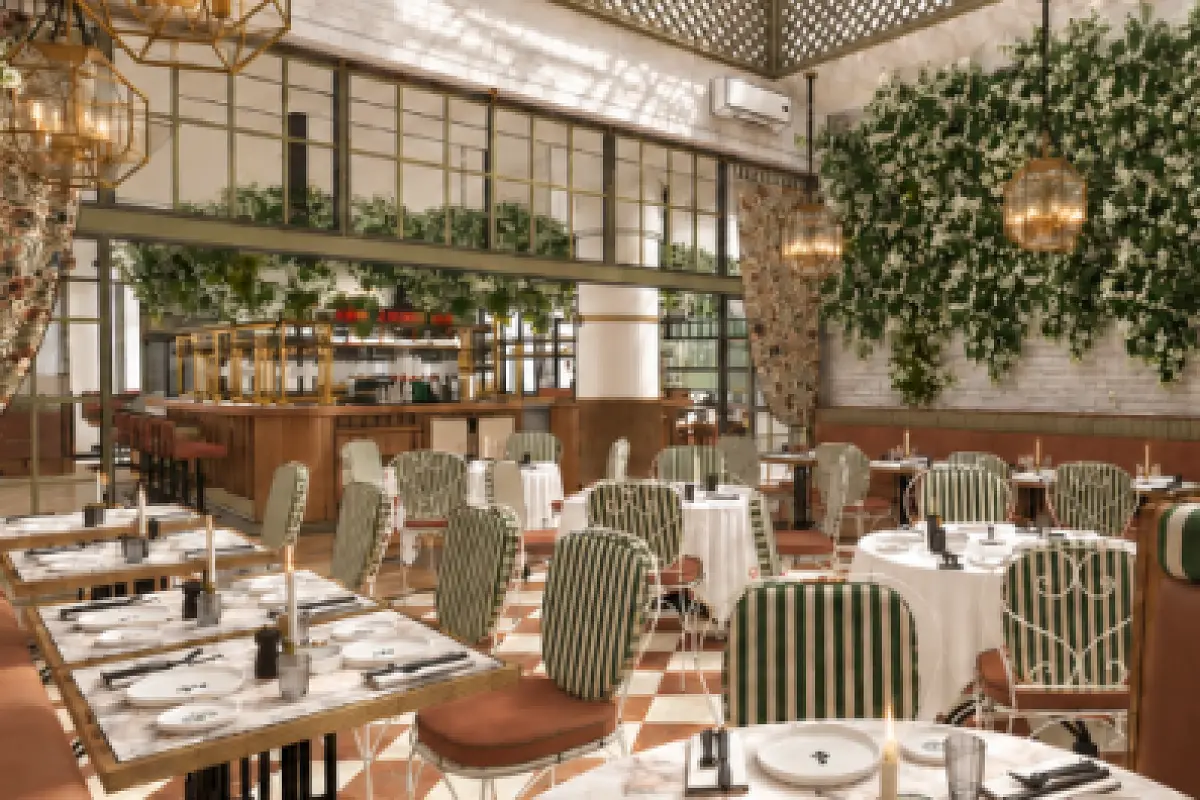
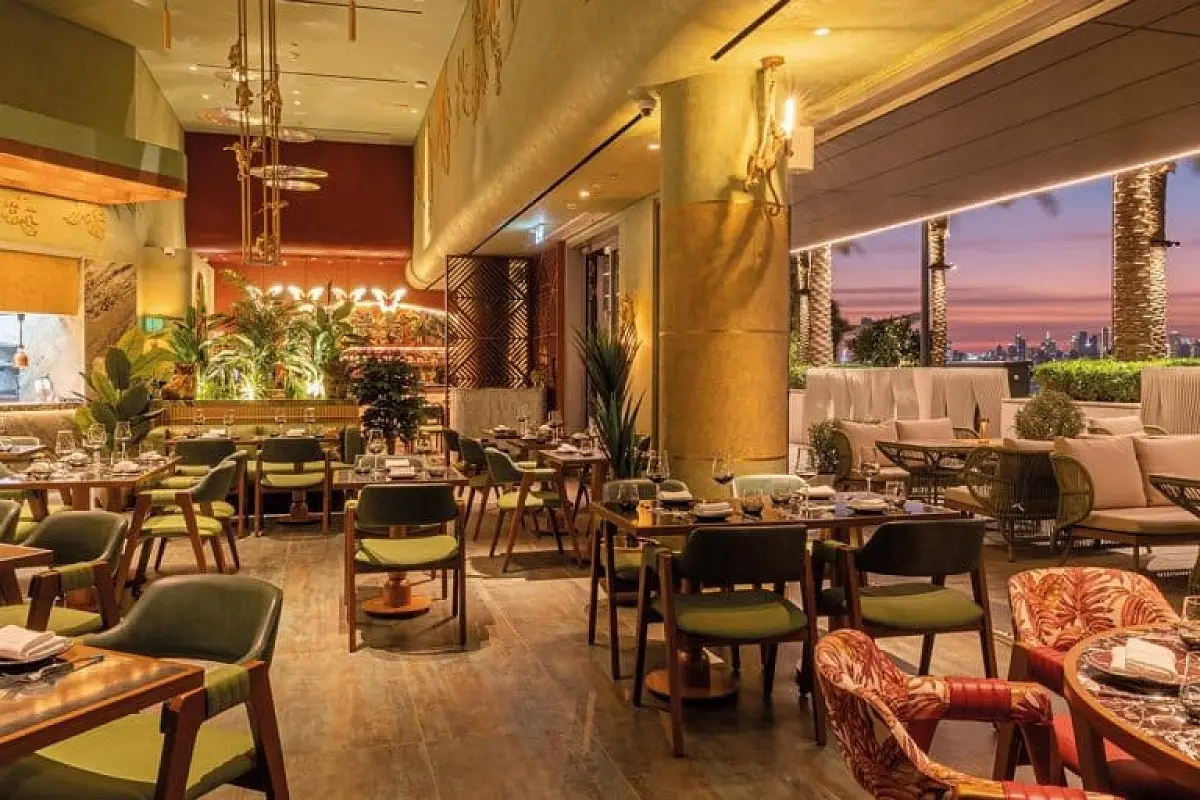
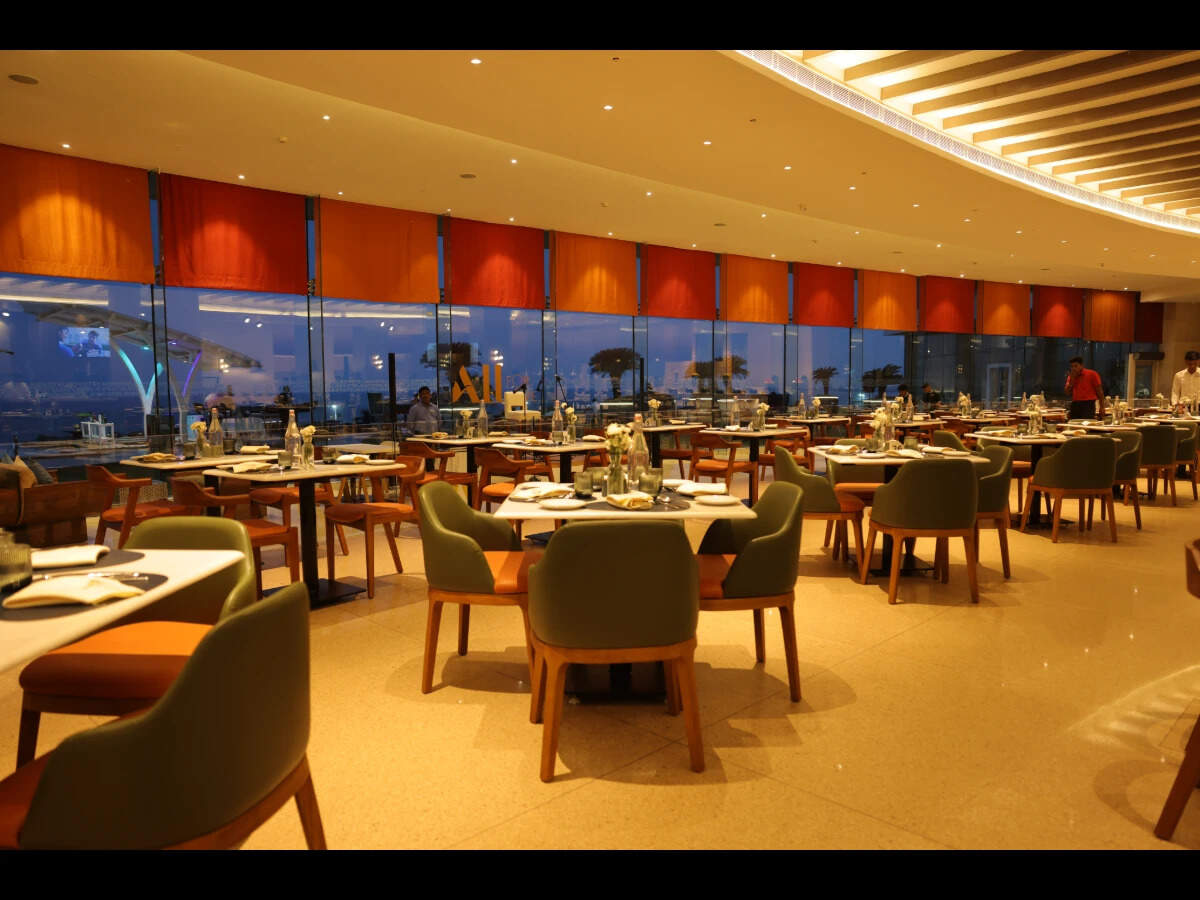
In addition to its culinary offerings, the restaurant places a strong emphasis on ambiance and customer experience. The design incorporates elements inspired by Greek culture, combined with modern touches that create a welcoming and contemporary environment.
The use of open kitchens, natural materials, and warm lighting contributes to an inviting atmosphere that encourages social dining. These elements are increasingly important as restaurants compete not only on food quality but also on the overall experience they provide.
Customer feedback has highlighted both the quality of the food and the engaging dining environment as key factors driving repeat visits.
Competitive Landscape in the Chicago Dining Scene
The Chicago area is known for its diverse and competitive restaurant landscape, featuring a wide range of cuisines and dining formats. New entrants must differentiate themselves to stand out in a crowded market.
The Niles restaurant has achieved this by combining authentic cuisine, distinctive cooking methods, and a strong focus on experience. Its recognition among the region’s best new restaurants underscores its ability to compete with established players and attract attention in a highly competitive environment.
Industry observers note that success in such markets often depends on a clear concept, consistent execution, and the ability to adapt to evolving consumer preferences.
Operational Considerations and Growth Potential
As the restaurant continues to gain popularity, maintaining consistency and managing operational demands will be critical. High customer interest can place pressure on staffing, supply chains, and service quality, particularly for new establishments.
Investments in training, efficient kitchen operations, and customer service will be essential to sustaining growth. The restaurant’s ability to scale its operations while preserving its core identity will likely determine its long-term success.
Given its strong early performance, there may also be opportunities for expansion, whether through additional locations or enhanced offerings.
Broader Industry Implications
The rise of this wood-fired Greek restaurant reflects broader shifts in the U.S. hospitality industry, including increased interest in global cuisines, emphasis on authenticity, and the growing importance of experiential dining. These trends are reshaping how restaurants design menus, spaces, and customer interactions.
Operators are increasingly focusing on storytelling, cultural connections, and unique preparation methods to create compelling value propositions. This approach not only attracts customers but also builds brand loyalty in a competitive market.
The success of such concepts suggests that demand for differentiated and high-quality dining experiences will continue to grow.
Looking Ahead
The restaurant’s recognition as one of Chicago’s best new dining spots positions it for continued success, provided it can maintain quality and adapt to changing market conditions. Its focus on authenticity, technique, and experience aligns with key industry trends that are expected to shape the future of dining.
As consumer preferences continue to evolve, establishments that combine tradition with innovation are likely to remain at the forefront of the hospitality sector.
Conclusion
The wood-fired Greek restaurant in Niles continues to attract attention as one of the Chicago area’s standout new dining destinations, with its growing popularity reflecting broader shifts toward authentic and experience-driven cuisine.