Rising LPG Prices Reshape India’s Restaurant Kitchens as Costs Surge
Rising LPG prices in India are increasing operational costs for restaurants, forcing menu adjustments, pricing changes, and shifts in kitchen operations across the industry.
 Prajakta Sanjay Warwadkar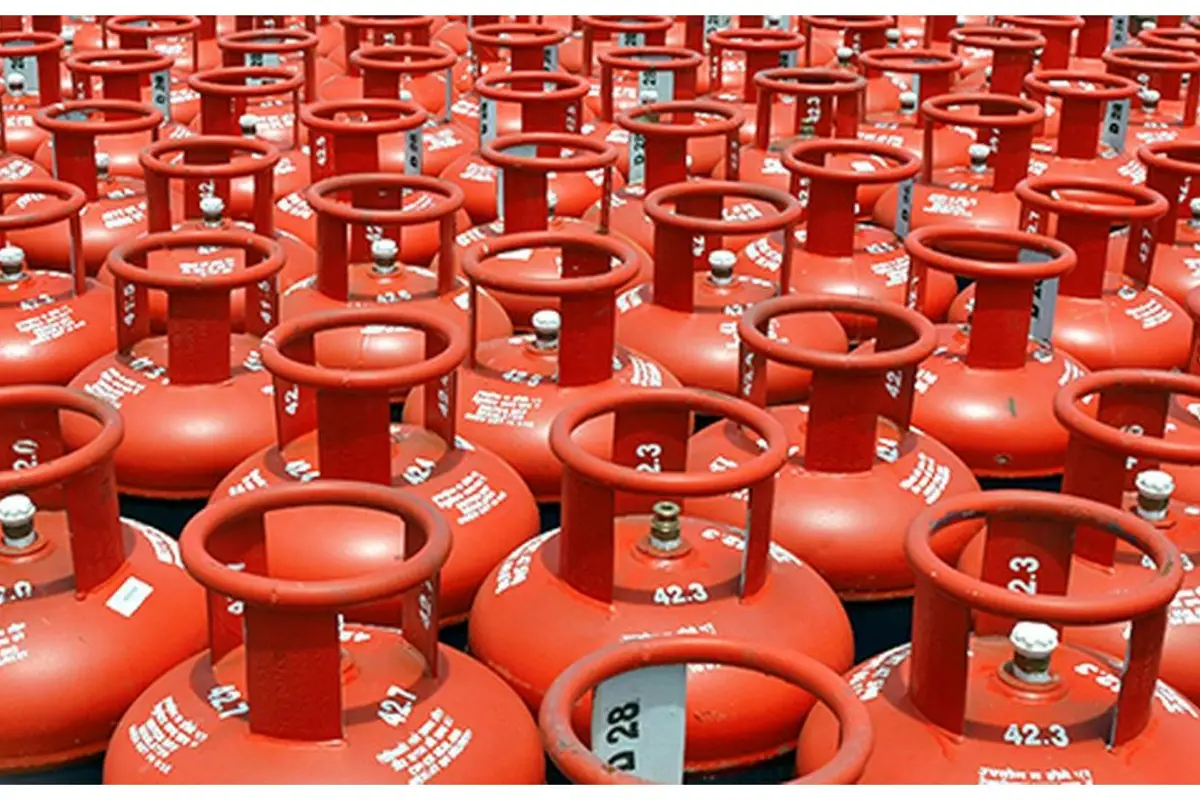
Rising LPG Prices Reshape India’s Restaurant Kitchens as Costs Surge
Rising liquefied petroleum gas (LPG) prices in India in 2026 are significantly impacting restaurant operations, increasing kitchen costs and forcing operators to rethink pricing, menu strategies, and energy usage across the country’s foodservice sector.
The surge in fuel costs is affecting restaurants of all sizes, from small independent eateries to large chains, as LPG remains a primary energy source for cooking in commercial kitchens. Industry stakeholders say the price hikes are adding pressure to already tight margins, prompting immediate operational adjustments.
Fuel Costs Add Pressure to Restaurant Margins
LPG is a critical component of restaurant kitchen operations in India, widely used for cooking due to its efficiency and accessibility. However, sustained price increases have driven up operating expenses, making it more difficult for restaurants to maintain profitability without passing costs on to customers.
Restaurant owners report that fuel expenses now account for a larger share of overall costs, alongside rising food prices and labor expenses. This cumulative cost burden is forcing businesses to reassess their financial strategies.
Operators are increasingly concerned about the long-term sustainability of absorbing such increases, especially in price-sensitive markets where customers are resistant to higher menu prices.
Menu Pricing Adjustments Become Inevitable
To offset rising LPG costs, many restaurants are adjusting menu prices, though the extent of increases varies depending on the segment and target audience. Casual dining and quick-service restaurants are particularly cautious, as affordability remains a key factor for customers.
Some operators are opting for gradual price hikes or introducing smaller portion sizes to manage costs without significantly impacting customer perception. Others are revising menus to highlight dishes with lower preparation costs.
Balancing profitability with customer retention has become a central challenge, requiring careful pricing strategies and transparent communication with diners.
Shift Toward Energy Efficiency and Alternatives
In response to rising fuel costs, restaurants are exploring ways to improve energy efficiency within their kitchens. This includes investing in modern equipment that consumes less gas, optimizing cooking processes, and reducing wastage.
Some operators are also considering alternative energy sources, such as electric or induction-based cooking systems, though adoption is limited by infrastructure and upfront costs. Transitioning to new technologies requires significant investment, which may not be feasible for smaller establishments.
Energy efficiency is increasingly seen as a long-term solution to mitigate the impact of fluctuating fuel prices.
Impact on Small and Independent Restaurants
Smaller and independent restaurants are particularly vulnerable to LPG price hikes, as they often operate with limited financial buffers. Unlike large chains, these businesses may lack the scale to negotiate better rates or absorb cost increases.
Many small operators are being forced to make difficult decisions, including reducing operating hours, cutting staff, or limiting menu offerings. In some cases, sustained cost pressures could lead to closures if profitability cannot be maintained.
The situation highlights the challenges faced by independent players in navigating economic volatility.
Supply Chain and Cost Interdependencies
The impact of LPG price increases is compounded by broader supply chain challenges, including rising costs of raw materials and transportation. These interconnected factors are contributing to overall inflation in the restaurant industry.
Restaurants must manage multiple cost variables simultaneously, making it difficult to isolate and address individual issues. Effective supply chain management has become essential in maintaining operational stability.
Operators are increasingly focusing on local sourcing and streamlined procurement processes to reduce expenses.
Consumer Behavior and Demand Sensitivity
Rising menu prices driven by higher operational costs may influence consumer behavior, particularly in price-sensitive segments. Customers may reduce dining frequency, opt for lower-cost options, or shift to home-cooked meals.
Restaurants must adapt to these changes by offering value-driven options, promotions, and loyalty programs to retain customers. Understanding consumer preferences and spending patterns is critical in navigating the current environment.
The balance between cost recovery and customer satisfaction remains a key consideration for operators.
Industry Response and Adaptation Strategies
The restaurant industry is responding to LPG price hikes through a combination of short-term adjustments and long-term strategies. Immediate measures include cost control, menu optimization, and pricing revisions, while long-term approaches focus on efficiency and innovation.
Industry associations have also raised concerns about the impact of fuel price increases on the sector, calling for policy support and relief measures to help businesses manage costs.
Collaboration and knowledge sharing among operators are helping identify best practices for coping with the challenges.
Role of Technology in Cost Management
Technology is playing an increasingly important role in helping restaurants manage rising costs. Data analytics tools enable operators to monitor energy consumption, optimize inventory, and improve operational efficiency.
Digital platforms also support better demand forecasting and menu planning, allowing restaurants to reduce waste and enhance profitability. Investment in technology is becoming a priority for many businesses seeking to remain competitive.
As the industry evolves, technology-driven solutions are expected to play a greater role in addressing cost pressures.
Future Outlook for the Sector
The continued rise in LPG prices is likely to have lasting implications for India’s restaurant industry, influencing business models, pricing strategies, and operational practices. While some operators may successfully adapt, others may struggle to cope with sustained cost increases.
The situation underscores the need for resilience and innovation in the hospitality sector, as businesses navigate an increasingly complex economic environment. Strategic planning and adaptability will be key to long-term success.
Industry stakeholders remain cautiously optimistic, emphasizing the importance of balancing cost management with customer experience.
Conclusion
Rising LPG prices are reshaping India’s restaurant kitchens in 2026, driving operational changes and strategic adjustments as the industry works to manage escalating costs while maintaining service quality and customer demand.