Industry Level Food Presentation Training: Complete Training Guide with SOP & Professional Standards
Learn industry level food presentation training with plating SOP, service sequence, visual standards, and guest interaction techniques for hotel restaurants.
 Jyoti Kushwaha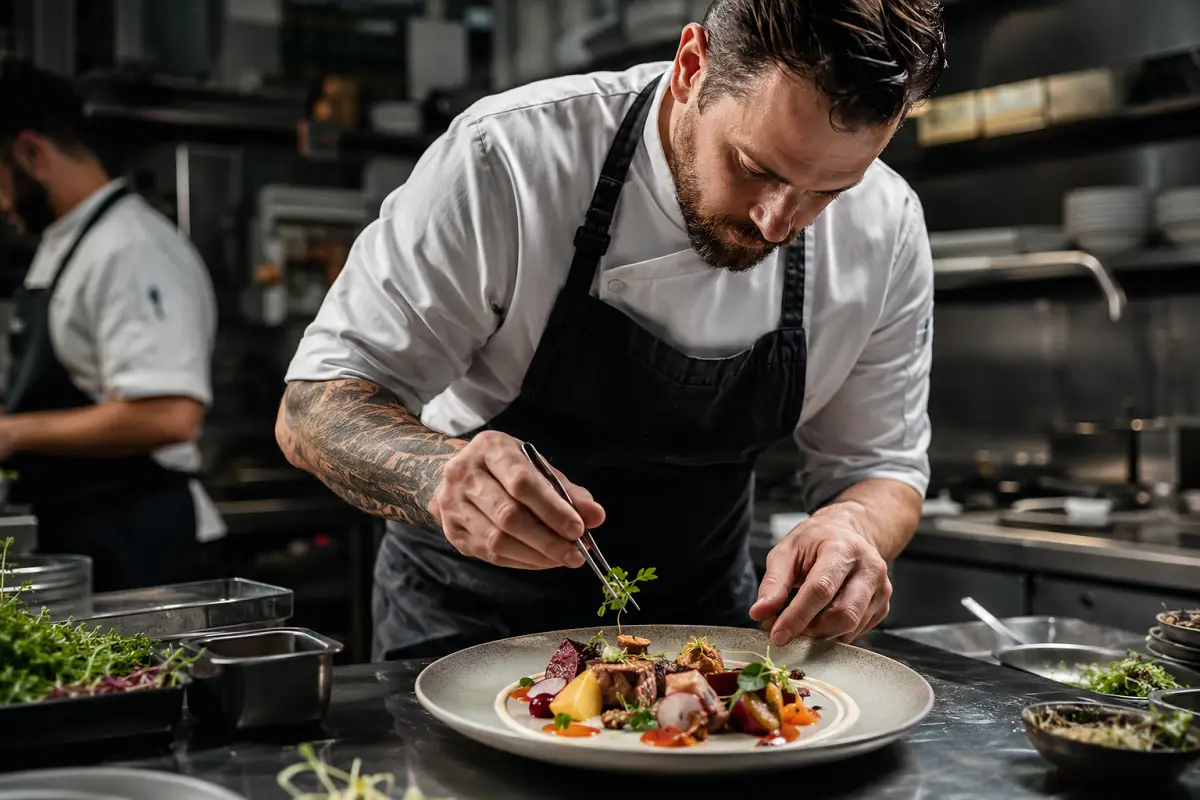
Talk in the pantry is focused on one thing plates are going out that taste right but don’t look tight. And on the floor, that kills the first impression before the guest even lifts a fork.
Overview of Industry Level Food Presentation Training
Presentation is not decoration. It’s the first signal of quality. Guests judge the plate in seconds, and that judgment sticks.
In hotel restaurants, every plate carries the brand. Clean lines, balance, and attention to detail show control. Sloppy plates show the opposite.
A strong plate builds expectation. A weak one creates doubt, even if the food is good.
You’re working with structure here. Placement, portion, color, garnish, and a clean finish. And it only works when kitchen and service move in sync so the plate lands fresh and intact.
SOP Procedure for Food Presentation
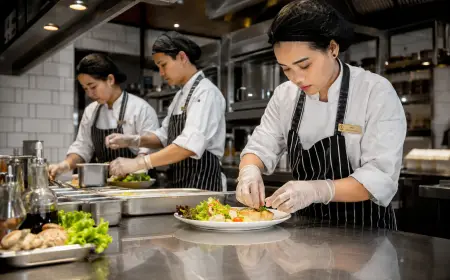
This is your plating discipline. No shortcuts on the pass.
1. Plate Selection
Pick the right plate for the dish. Size, color, style must match. And always clean, dry, no chips.
2. Portion Control
Stick to the portion. No overloading, no light plates. Consistency wins.
3. Food Placement
Place with intent. Center or clock style, but keep it structured and balanced.
4. Color and Contrast
Build visual contrast. Avoid flat, dull plates. Color makes the dish pop.
5. Garnishing
Keep it edible and relevant. If it doesn’t add value, it doesn’t go on.
6. Sauce Application
Control the sauce. Drizzle, pool, or brush. No spills, no mess.
7. Plate Cleanliness Check
Wipe the rim. Every time. No exceptions.
8. Final Inspection
Chef checks before it leaves. If it’s not right, it doesn’t go.
Pro tip: If you hesitate before sending a plate, fix it. Don’t gamble on the guest.
Operational Workflow and Plating Sequence
This is where speed meets control.
Step-by-Step Plating Workflow:
a. Receive the order clearly from service
b. Prep all components as per recipe
c. Heat the plate if needed
d. Assemble using standard plating method
e. Add garnish and sauce with precision
f. Run a quick quality check
g. Send immediately to service
Service Timing Benchmarks:
a. Plating time per dish: 2 to 5 minutes
b. Order-to-service time: within 15 to 20 minutes
c. Dispatch after plating: within 1 minute
Key Operational Controls:
a. Keep every plate consistent
b. No delay after plating
c. Maintain correct temperature
d. Stay tight with all kitchen sections
Delay kills presentation. A perfect plate that sits too long is already lost.
Guest Interaction and Service Presentation
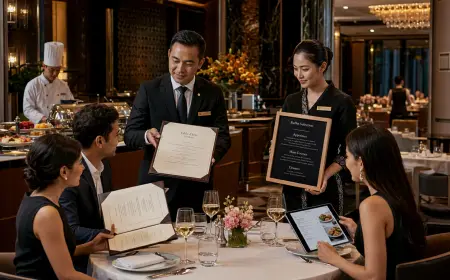
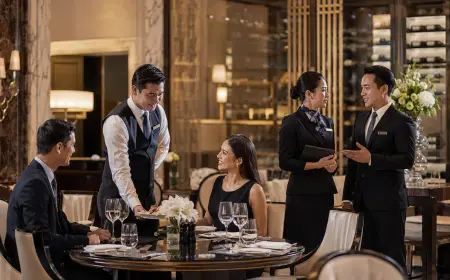
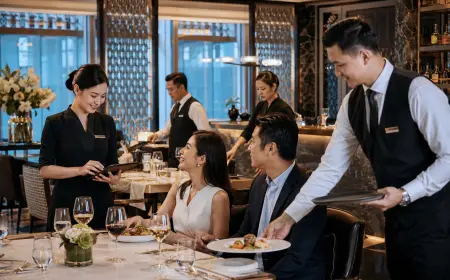
The last 10 steps belong to service. Don’t drop the standard here.
Service Standards:
a. Carry plates steady and level
b. Serve from the correct side
c. Face the dish properly to the guest
d. Announce the dish clearly
Presentation Handling:
a. Never touch the food
b. Keep the plate clean in transit
c. Maintain posture and control
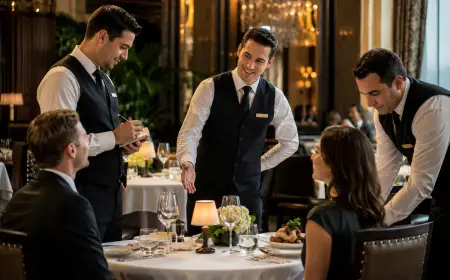
Guest Engagement:
a. Answer questions confidently
b. Highlight key elements of the dish
c. Handle feedback professionally
Pro tip: If the server fumbles the presentation, the plate loses half its impact.
Tools and Equipment for Food Presentation
Right tools, clean station, fast hands.
Primary Tools:
a. Serving plates and platters
b. Plating spoons and tweezers
c. Sauce bottles and brushes
d. Ring molds for shaping
Support Equipment:
a. Heat lamps for holding temperature
b. Garnish trays and containers
c. Clean cloths for wiping
d. Portion control tools
Usage Guidelines:
a. Keep everything clean and sanitized
b. Use the right tool for the right item
c. Don’t overcomplicate plating with tools
d. Keep the station organized
A messy station creates messy plates. Simple as that.
Service Standards and Performance Metrics
Track what matters.
Key Performance Metrics:
a. Presentation consistency: 100%
b. Plate cleanliness: 100%
c. Portion accuracy: above 95%
d. Service timing within standards
e. Guest feedback on presentation: strong
If consistency drops, the guest notices immediately.
Evaluation and Continuous Improvement
Presentation needs constant checking. Standards slip fast under pressure.
Evaluation Methods:
a. Supervisor checks during service
b. Plate presentation audits
c. Guest feedback review
d. Staff skill assessment
e. Consistency checks across plates
Common issues show up quickly. Uneven plating, too much garnish, weak coordination between kitchen and floor.
Fix it with training, repetition, and tight communication.
At the end of the day, the plate is your first handshake with the guest. Keep it clean, sharp, and consistent every single time.
Read more about Hotel Standard Menu planning here.