Essential Skills for F&B Professionals Training in Hotel Operations
Learn essential skills for F&B professionals training with SOP, service workflow, guest interaction techniques, and operational standards for hotel operations.
 Jyoti Kushwaha
The reality on the floor is simple: great restaurants don’t run on menus or décor, they run on people who can handle the rush, read a table, and execute consistently every shift. The strongest F&B professionals aren't the loudest in the room. They're the ones who get the details right when the pressure is on.
Overview of Essential Skills for F&B Professionals
Food and beverage operations rise or fall based on staff performance. Whether you're working in a luxury hotel, neighborhood café, banquet venue, or fine dining restaurant, the fundamentals stay the same.
Guests expect fast service, accurate orders, product knowledge, and genuine hospitality. At the same time, staff must coordinate with the kitchen, manage service timing, operate technology systems, and maintain professional standards.
The best F&B professionals combine technical skills with people skills. They communicate clearly, stay organized, solve problems quickly, and keep service moving even during peak periods.
These skills reduce mistakes, improve teamwork, support revenue growth, and create the kind of dining experience that keeps guests coming back.
Pro-tip: Guests forgive small delays. They rarely forgive confusion.
SOP Procedure for Professional F&B Performance
Essential skills for F&B professionals training follows a structured SOP framework to ensure consistency and operational efficiency.
1. Pre-Shift Preparation
Review reservations, menu updates, promotions, special events, and guest requirements before the start of service.
2. Personal Grooming and Readiness
Report in complete uniform, maintain personal hygiene standards, and prepare service equipment before opening.
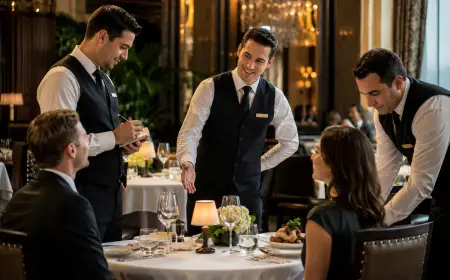
3. Guest Service Execution
Follow established service sequence, maintain professional communication, and ensure prompt response to guest needs.
4. Team Coordination
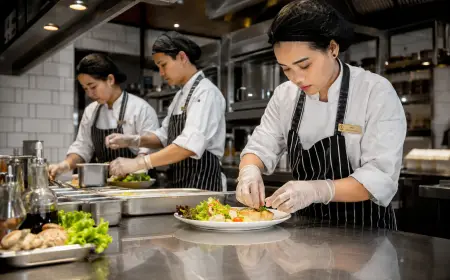
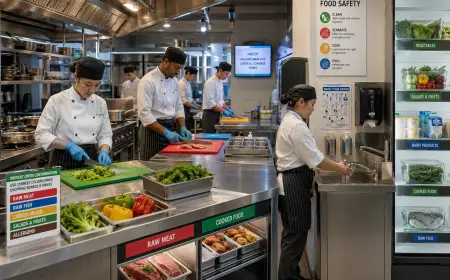
Communicate effectively with kitchen staff, supervisors, and colleagues throughout service periods.
5. Service Monitoring
Track table progress, guest satisfaction, order status, and service timing continuously.
6. Problem Resolution
Handle complaints professionally and escalate issues according to operational procedures when necessary.
7. Revenue Enhancement
Apply suggestive selling techniques appropriately while maintaining guest comfort.
8. Post-Service Review
Complete closing duties, report operational concerns, and participate in shift evaluations.
Following these procedures helps staff perform consistently while maintaining hospitality standards.
Pro-tip: Preparation before service prevents panic during service.
Core Operational Skills Required in F&B Operations
Successful food and beverage professionals must master several operational skills that support daily restaurant and hotel activities.
Communication Skills
Clear communication keeps service moving and prevents costly mistakes. Staff should:
• Listen actively to guest requests
• Confirm orders accurately
• Provide menu information confidently
• Communicate special requests to the kitchen
• Deliver clear service updates to guests
Time Management Skills
Good timing keeps tables happy and operations under control.
Standard timing benchmarks include:
• Guest greeting: within 30 seconds
• Beverage order taking: within 2 minutes
• Food order taking: within 5 minutes
• Beverage service: within 3–5 minutes
• Food delivery: within 15–20 minutes
• Bill presentation: within 3 minutes of request
Attention to Detail
Small details have a big impact. Staff must accurately verify:
• Table numbers
• Order modifications
• Dietary restrictions
• Allergies and special requests
• Billing accuracy
Problem-Solving Skills
Service friction happens every day. Strong staff spot issues early, make smart decisions, and take corrective action before the guest feels the impact.
Adaptability
Guest counts change. Equipment fails. Items run out. And sometimes the unexpected walks through the door. Flexible staff keep standards steady no matter what the shift throws at them.
Pro-tip: Stay calm first. Solve second.
Operational Service Sequence and Workflow
Professional F&B staff must understand the complete operational workflow to ensure smooth service execution.
Pre-Service Activities
• Attend shift briefing
• Review reservations and VIP arrivals
• Prepare service stations
• Check POS functionality
• Verify menu availability
Guest Arrival Stage
• Welcome guest professionally
• Confirm reservation if applicable
• Escort guest to assigned table
• Present menus and beverage lists
• Offer water service
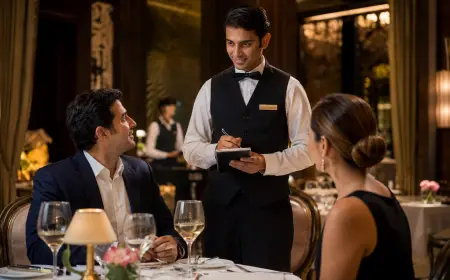
Order Taking Stage
• Explain menu items when required
• Recommend suitable dishes
• Record orders accurately
• Confirm dietary preferences
• Enter orders into POS immediately
Service Delivery Stage
• Monitor kitchen preparation status
• Verify order accuracy before service
• Deliver food in correct sequence
• Conduct satisfaction checks after serving
Guest Departure Stage
• Present bill accurately
• Process payment efficiently
• Thank guests sincerely
• Invite future visits professionally
Following a structured workflow ensures service consistency and operational control.
Pro-tip: Most delays start long before the food reaches the table.
Guest Interaction and Professional Service Techniques
Guest interaction skills are among the most important competencies for food and beverage professionals.
Professional Greeting Techniques
• Smile naturally
• Maintain eye contact
• Use courteous language
• Demonstrate confidence and attentiveness
Order Taking Techniques
• Listen carefully without interruption
• Clarify unclear requests
• Repeat orders for confirmation
• Record information accurately
Service Recovery Skills
When service issues occur, staff should:
• Acknowledge concerns immediately
• Apologize professionally when appropriate
• Offer practical solutions
• Follow up after resolution
Upselling and Suggestive Selling Skills
Revenue growth is supported through smart, guest-focused recommendations.
Examples include:
• Recommending appetizers
• Suggesting premium beverages
• Offering desserts after meals
• Promoting daily specials
Body Language Standards
Professional body language includes:
- Upright posture
- Controlled movements
- Open gestures
- Appropriate facial expressions
- Positive engagement with guests
Strong interpersonal skills build trust and improve the table's vibe throughout the dining experience.
Pro-tip: Guests notice confidence long before they hear your words.
Tools and Equipment Knowledge
F&B professionals must be familiar with operational tools and equipment used during service.
Technology Systems
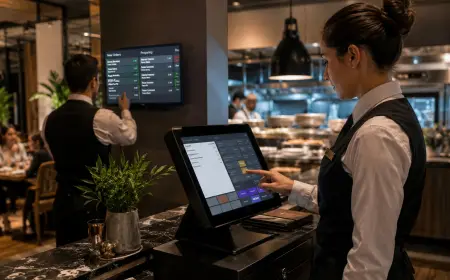
• POS systems
• Kitchen Display Systems (KDS)
• Reservation management software
• Digital payment systems
Service Equipment
• Service trays
• Service trolleys
• Glassware
• Cutlery and crockery
• Beverage service tools
Operational Equipment Handling Standards
• Maintain equipment cleanliness
• Store tools properly after use
• Inspect equipment before service
• Report maintenance issues promptly
Equipment knowledge improves speed, safety, and service quality.
Pro-tip: Never start a shift assuming equipment is ready. Check it.
Service Standards and Performance Evaluation
Performance standards help management measure employee effectiveness and identify improvement opportunities.
Key Service Standards
• Guest greeting compliance: 100%
• Order accuracy: 100% target
• Service timing adherence: within SOP limits
• Hygiene compliance: 100%
• Guest satisfaction scores: consistently maintained
• Billing accuracy: error-free transactions
Performance Evaluation Methods
• Supervisor observations
• Guest feedback analysis
• Mystery guest audits
• POS performance reports
• Service timing reviews
• Employee competency assessments
Continuous Improvement Activities
• Refresher training sessions
• Role-play exercises
• Product knowledge workshops
• Communication skills development
• Service quality reviews
Common performance gaps include communication breakdowns, inconsistent service timing, weak product knowledge, and poor coordination. But these issues can be corrected through coaching, practice, and disciplined SOP execution.
Essential skills for F&B professionals training provides the foundation for long-term success in hospitality. Master communication, timing, teamwork, product knowledge, and guest service. Do that consistently, and you'll improve service quality, support revenue growth, and become the team member every operation wants on the floor during a busy shift.
Read more about food service systems training.