Expert Room Allocation Process: Front Office SOP Training Guide
Learn expert room allocation process with front office SOP, room assignment strategies, guest handling, coordination, and service standards for hotels.
 Shah Vaibhavi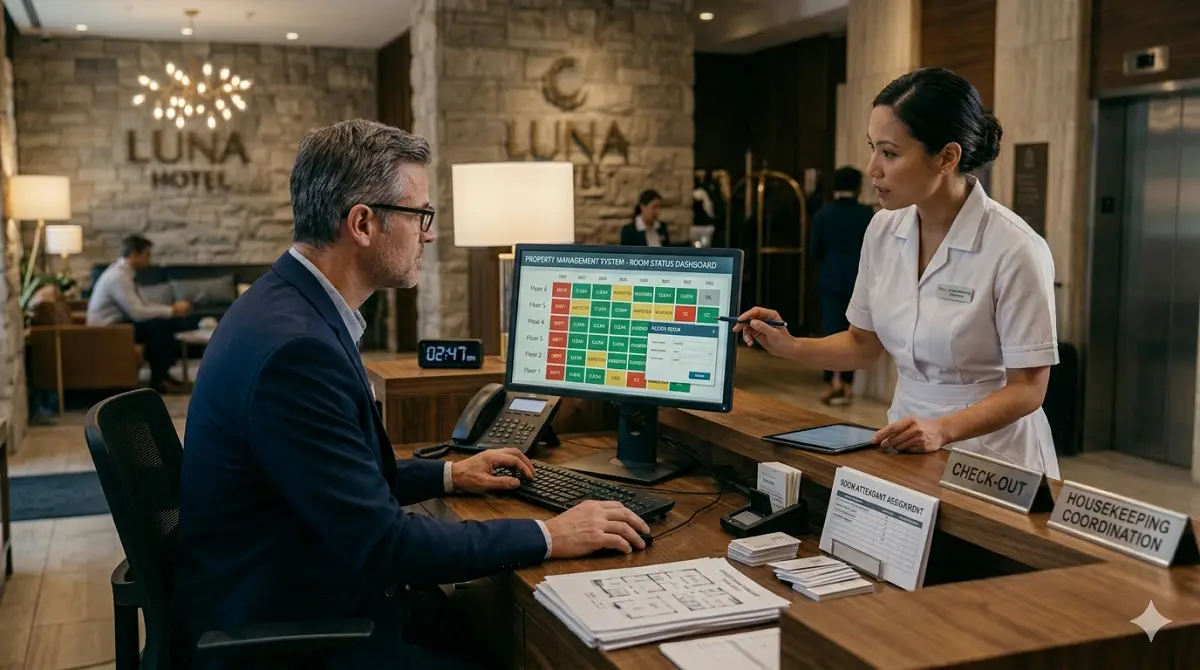
Expert Room Allocation training module focuses on the room allocation process hotel operations within the front office, designed to ensure accurate room assignment, optimal occupancy utilization, and enhanced guest satisfaction. Room allocation is a critical operational function that directly impacts guest experience, revenue management, and coordination between departments.
Expert Room Allocation Overview of Room Allocation Operations
The room allocation process hotel operations involves assigning rooms to guests based on reservation details, availability, preferences, and operational priorities. This process begins prior to guest arrival and continues dynamically throughout the day as room status updates occur.
From an operational perspective, effective room allocation ensures optimal occupancy, minimizes room movement, and supports smooth check-in procedures. Front office staff must coordinate closely with housekeeping and reservations teams to maintain real-time accuracy of room status.
Room allocation also plays a strategic role in upselling, managing guest expectations, and ensuring VIP and repeat guests receive priority placement. Errors in allocation can lead to guest dissatisfaction, delays, and operational inefficiencies.
SOP Procedure for Room Allocation
The room allocation process hotel SOP follows a structured sequence to maintain consistency and efficiency:
- Step 1: Reservation Review
Access the PMS to review all arrivals for the day. Verify guest details including room type, stay duration, special requests, and payment status. - Step 2: Room Availability Check
Check current room status (vacant clean, occupied, out of order). Ensure rooms assigned are marked “clean and inspected.” - Step 3: Pre-Blocking of Rooms
Assign rooms in advance based on reservation category, VIP status, and preferences such as floor, view, or proximity to facilities. - Step 4: Priority Allocation
Allocate rooms in the following order: VIP guests, repeat guests, group bookings, corporate clients, and FIT guests. - Step 5: Special Request Handling
Ensure requests such as twin beds, smoking/non-smoking, adjoining rooms, or accessibility requirements are fulfilled. - Step 6: System Update
Update room allocation in PMS and ensure all changes are reflected in real time. - Step 7: Final Verification
Cross-check room readiness with housekeeping before guest arrival to avoid delays during check-in.
Front Desk Workflow and Department Coordination
The room allocation process hotel workflow requires continuous coordination between departments:
Housekeeping: Provides real-time room status updates and prioritizes cleaning based on arrivals.
Reservations: Shares booking details, special requests, and group allocations.
Revenue Management: Guides room allocation based on yield strategy and occupancy levels.
Bell Desk: Prepares for guest arrivals and room escort services.
Maintenance: Updates room availability if any room is out of order.
Efficient coordination ensures rooms are ready on time, reduces guest waiting time, and prevents last-minute room changes.
Guest Interaction Process During Room Allocation
Although room allocation is primarily a backend process, it directly influences guest interaction during check-in. Front office staff must ensure alignment between allocated room and guest expectations.
Pre-Arrival Communication: Confirm special requests and preferences in advance.
At Check-in: Inform guest of allocated room features and benefits.
Handling Changes: If requested, check availability and reassign room within 2–3 minutes.
Upgrade Opportunities: Offer paid or complimentary upgrades based on availability.
Special scenarios include:
Early Arrivals: Allocate available rooms or prioritize cleaning for faster readiness.
Overbooking Situations: Manage walk situations or upgrade decisions strategically.
VIP Guests: Ensure pre-inspected rooms with preferred amenities.
Group Arrivals: Allocate rooms in proximity and prepare keys in advance.
Effective communication ensures transparency and enhances guest satisfaction.
Tools and Systems Used in Room Allocation
The room allocation process hotel operations rely on multiple systems for accuracy and efficiency:
Property Management System (PMS): Central system for room status, reservations, and allocation.
Room Rack System: Visual representation of room availability and occupancy.
Housekeeping Module: Real-time updates on room cleaning status.
Revenue Management System (RMS): Supports strategic allocation decisions.
CRM System: Stores guest preferences and history for personalized allocation.
Front office staff must be proficient in these systems to ensure quick and accurate room assignment.
Service Standards and Performance Metrics
The room allocation process hotel performance is measured using defined operational benchmarks:
Room Readiness: 100% rooms ready before standard check-in time.
Allocation Accuracy: No mismatch between booked and assigned room type.
Guest Waiting Time: Less than 5 minutes for room readiness at check-in.
Upgrade Conversion: Target-based upselling success rate.
Guest Satisfaction: Positive feedback on room quality and allocation.
Maintaining these standards ensures operational efficiency and enhances overall guest experience.
Evaluation and Training Assessment
Regular evaluation ensures adherence to the room allocation process hotel SOP and continuous improvement:
Mock Allocation Drills: Simulated scenarios to test decision-making and system usage.
PMS Accuracy Checks: Verify correct room assignment and updates.
Supervisor Review: Daily verification of allocation plans.
Guest Feedback Analysis: Identify issues related to room assignment.
Training should focus on improving speed, accuracy, and coordination skills, especially during high occupancy periods and peak check-in hours.
In conclusion, the room allocation process hotel operations is a structured and strategic function that ensures efficient use of inventory, smooth guest arrivals, and high service standards. Proper training and adherence to SOPs enable front office teams to deliver accurate, timely, and guest-focused room allocation, contributing significantly to overall hotel performance and guest satisfaction.
Also read: Industry Level Night Audit Process: Complete Front Office Training Guide with SOP & Professional Standards