Interpersonal Skills Training for Front Office Hotel Operations
interpersonal skills front office training with SOP, guest handling techniques, and service standards for professional hotel operations.
 Shah Vaibhavi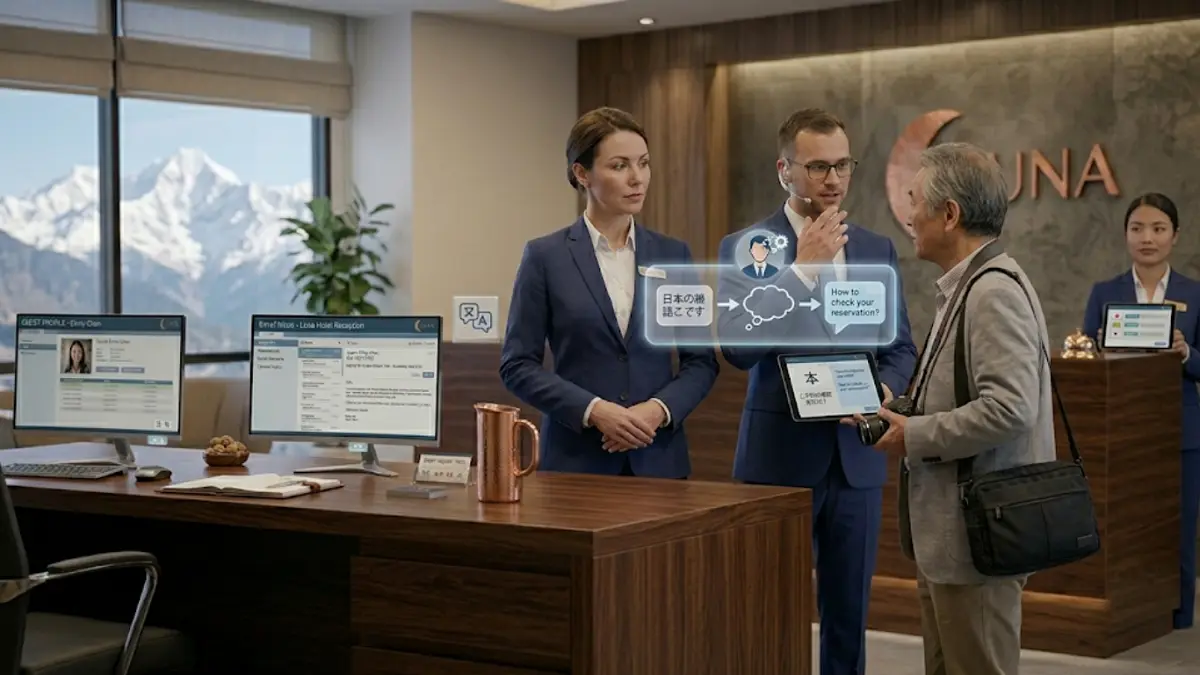
Interpersonal skills: The reality at the desk is simple, guests don’t remember your system speed, they remember how you made them feel. And that comes down to your interpersonal skills.
Overview of Interpersonal Skills in Front Office
Interpersonal skills front office is your ability to handle people guests, teammates, managers, without friction. It’s how you speak, listen, react, and stay composed when things go off track.
At the desk, you’re not just processing check-ins and check-outs. You’re reading the guest’s mood, adjusting your tone, and keeping the lobby flow smooth.
Weak interpersonal skills? Expect confusion, delays, and complaints even if the process was correct.
Core skills you must own:
-
Active listening
-
Empathy
-
Patience
-
Clear communication
-
Emotional control
You’ll deal with VIPs, tired travelers, corporate clients, and upset guests sometimes all in one hour. Handle people right, and everything else gets easier.
SOP Procedure for Interpersonal Skills
This is your daily behavior checklist. No shortcuts.
Step 1: Professional Greeting
Acknowledge within 3 seconds. Eye contact. Smile. Clear greeting.
Step 2: Active Listening
Let the guest finish. Don’t interrupt. Nod and show you’re tracking.
Step 3: Understanding Needs
Ask sharp questions. Get clarity before acting.
Step 4: Empathy Demonstration
Show you get the situation. Keep it real, not scripted.
Step 5: Clear Communication
Use simple words. No jargon. No confusion.
Step 6: Positive Attitude
Stay calm—even if the guest isn’t.
Step 7: Problem Solving
Offer solutions fast. Don’t over-explain.
Step 8: Confirmation
Repeat key details. Avoid mistakes.
Step 9: Closing Interaction
End with appreciation. Always.
Step 10: Follow-Up
Check if the issue is actually solved—not just closed.
Pro-tip: Guests don’t want perfection. They want clarity and confidence.
Front Desk Workflow and Operational Steps
Interpersonal skills must run through your entire shift—not just guest-facing moments.
-
Pre-Shift Briefing: Know VIPs, arrivals, and special notes. Walk in prepared.
-
Guest Arrival Handling: Smile, engage, and listen from the first second.
-
Check-in / Check-out: Keep it clear, calm, and controlled.
-
Handling Requests: Coordinate fast with housekeeping, F&B, maintenance. No delays.
-
Internal Communication: Respect your team. Bad tone kills the hand-off.
-
Peak Hour Management: Stay composed. Speed matters, but behavior matters more.
-
Shift Handover: Pass on guest issues clearly. No loose ends.
Smooth workflow = fewer complaints.
Guest Interaction Process and Techniques
This is where you win—or lose—the guest.
First Impression:
Smile. Eye contact. Confident posture. No hesitation.
During Interaction:
Stay polite. Listen actively. Keep your body language open.
Handling Complaints:
-
Listen fully
-
Empathize
-
Apologize
-
Resolve fast
-
Follow up
Handling Difficult Guests:
-
Stay calm
-
Don’t argue
-
Stay respectful
-
Escalate if needed
Personalization:
Use the guest’s name. Remember preferences. Small details matter.
Closing Interaction:
Thank them. Offer help. Leave a good last impression.
Pro-tip: Your tone matters more than your words.
Tools and Systems Supporting Interpersonal Skills
Your systems support you—but they don’t replace human interaction.
-
Property Management System (PMS): Guest data and history
-
Customer Relationship Management (CRM): Preferences and personalization
-
Internal Communication Systems: Smooth team coordination
-
Training Modules: Build communication skills
-
Feedback Systems: Track guest experience
-
Call and Email Systems: Extend communication beyond the desk
Use the tools. But don’t hide behind them.
Service Standards and Performance Metrics
This is how your performance gets judged:
-
Greeting Time: Within 3 seconds
-
Response Time: 1–2 minutes
-
Communication Clarity: Zero confusion
-
Guest Satisfaction Score: Positive interaction feedback
-
Complaint Resolution: 15–30 minutes
-
Professional Behavior: Consistent tone and respect
-
Team Coordination: Clean hand-offs
Hit these daily. No excuses.
Evaluation and Training Assessment
You don’t improve by just working—you improve by reviewing.
-
Role Play Exercises: Practice real scenarios
-
Supervisor Observation: Live behavior checks
-
Guest Feedback Analysis: Spot weak points
-
Performance Reviews: Communication and attitude check
-
Mystery Audits: Real-time testing
-
Training Programs: Focus on emotional control and clarity
Consistency is what separates average staff from strong front office professionals.
Conclusion
Interpersonal skills front office is not optional—it’s your core tool at the desk. Strong communication, controlled behavior, and quick problem-solving keep the lobby flow steady and guests satisfied.
Get this right, and even tough situations turn in your favor.