Verbal vs Non-Verbal Communication Simple Training in Front Office
Learn verbal vs non-verbal communication in front office management with SOP, guest interaction techniques, and service standards for effective hotel communication.
 Shah Vaibhavi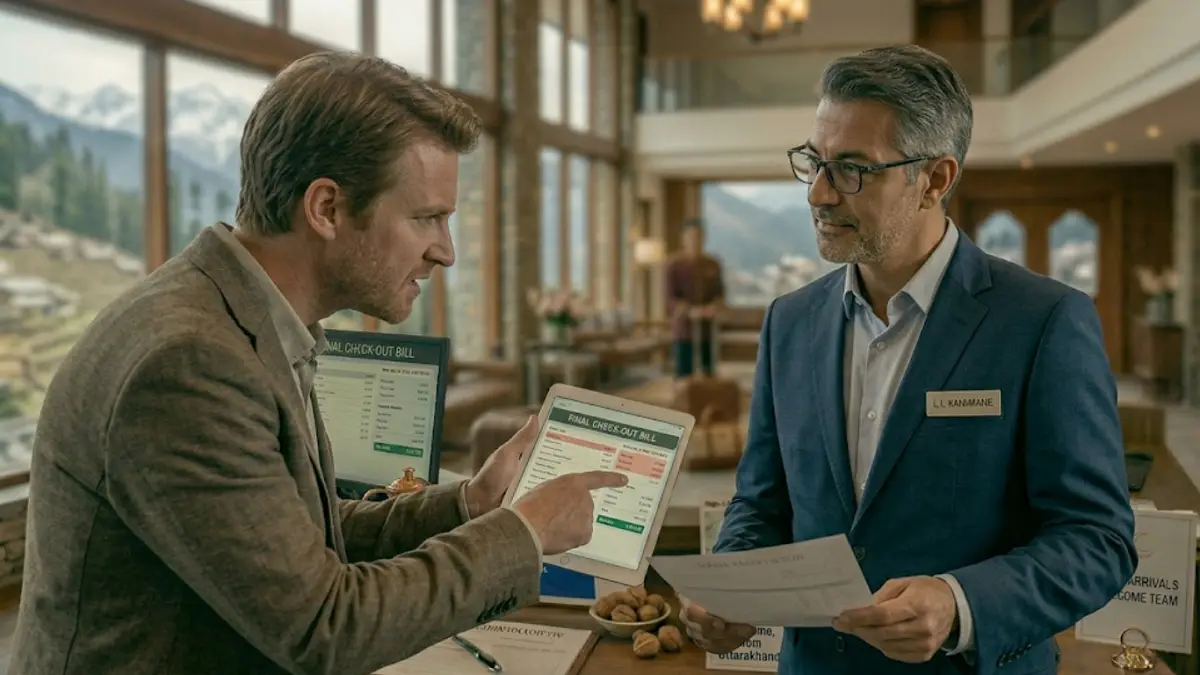
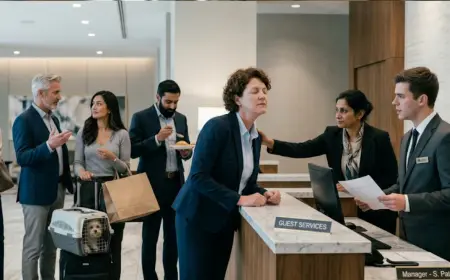
The reality at the desk is this, guests don’t just hear you, they read you. And most mistakes? They happen when your words and your body don’t match.
Overview of Verbal vs Non-Verbal Communication
Verbal vs nonverbal communication front office is about what you say and how you show it. Words, tone, clarity—that’s verbal. Face, posture, eye contact, that’s non-verbal.
At the desk, both run together. If one is off, the guest feels it instantly.
A polite sentence with cold body language? Feels fake.
Good posture with unclear words? Confuses the guest.
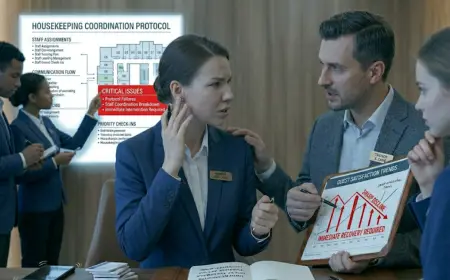
You’re handling check-ins, requests, complaints. Every second counts. If communication slips, service slips.
Get this right, and the guest trusts you fast. Miss it, and you spend the next 10 minutes fixing a 10-second mistake.
SOP Procedure for Communication at Front Desk
Step 1: Greeting with Body Language
Stand straight. Eye contact. Smile. No exceptions.
Step 2: Verbal Welcome
“Good morning, welcome to the hotel.” Say it clean. No mumbling.
Step 3: Active Listening
Stop typing. Stop looking around. Focus.
Step 4: Clear Verbal Response
Keep it simple. No long explanations.
Step 5: Positive Body Language
Nod. Stay open. Show you’re engaged.
Step 6: Clarification
Ask when unsure. Never assume.
Step 7: Confirmation
Repeat key details. Lock it in.
Step 8: Professional Tone
Calm. Even. No attitude, ever.
Step 9: Closing Interaction
End with a smile and a clear close.
Step 10: Follow-Up
Check if the request is done. Don’t wait for complaints.
Pro-tip: Guests forgive delays. They don’t forgive confusion.
Front Desk Workflow and Communication Application
Check-in Process
Speak clearly. Maintain eye contact. Don’t multitask while explaining.
Reservation Handling
Confirm details verbally. Watch the guest’s face, confusion shows fast.
Telephone Communication
No body language here. Your tone does all the work.
During Stay Requests
Listen first. Then act. Not the other way around.
Complaint Handling
Lower your tone. Slow your pace. Control the situation.
Check-out Interaction
Explain billing clearly. No rushed talk.
Interdepartmental Communication
Be direct. No half messages to housekeeping or maintenance.
Peak Hour Communication
Busy doesn’t mean sloppy. Stay sharp.
Guest Interaction Process Using Communication Skills
Greeting Stage
Warm tone. Real smile. Not forced.
Understanding Needs
Listen. Watch. Guests often show more than they say.
Verbal Techniques
-
Use simple language
-
Skip technical terms
-
Speak at a steady pace
Non-Verbal Techniques
-
Eye contact natural, not staring
-
Open hand gestures
-
No crossed arms, no slouching
Handling Complaints
-
Verbal: Apologize clearly
-
Non-verbal: Show concern, not defensiveness
Difficult Guest Handling
Control your tone first. Your body follows.
Closing Interaction
End strong. Confidence + clarity.
Pro-tip: If your body says “I don’t care,” your words won’t fix it.
Tools and Systems Supporting Communication
-
Property Management System (PMS): Record requests clearly
-
Call Management Systems: Track calls and details
-
Guest Profile Database: Know repeat guest preferences
-
Internal Communication Tools: Keep departments aligned
-
Training Modules: Practice real scenarios
-
Log Books: Write it down, don’t rely on memory
Tools don’t replace communication. They support it.
Service Standards and Performance Metrics
-
Greeting: Within 3 seconds, with eye contact + smile
-
Speech: Clear, no confusion
-
Tone: Always polite, even under pressure
-
Body Language: Open and attentive
-
Response Time: 5–10 minutes for requests
-
Calls: Answer within 3 rings
-
Guest Feedback: Positive on communication
-
Errors: Minimal miscommunication
If guests keep asking the same question, you didn’t communicate clearly the first time.
Evaluation and Training Assessment
-
Supervisor Observation: Watch real interactions
-
Role Play Training: Practice pressure situations
-
Guest Feedback Analysis: Spot weak areas
-
Mystery Audits: Real-time checks
-
Error Tracking: Find where communication failed
-
Performance Reviews: Tone, clarity, body language
-
Continuous Training: Keep sharpening skills
In conclusion, this isn’t theory, it’s daily survival at the desk. Say it right. Show it right. Do both together, every time. That’s how you control the interaction instead of chasing it.