Advanced Restaurant Management Basics: Complete Training Guide with SOP & Professional Standards
Learn advanced restaurant management basics training with SOP, operational workflow, service coordination, and performance standards for hotel and restaurant operations.
 Jyoti Kushwaha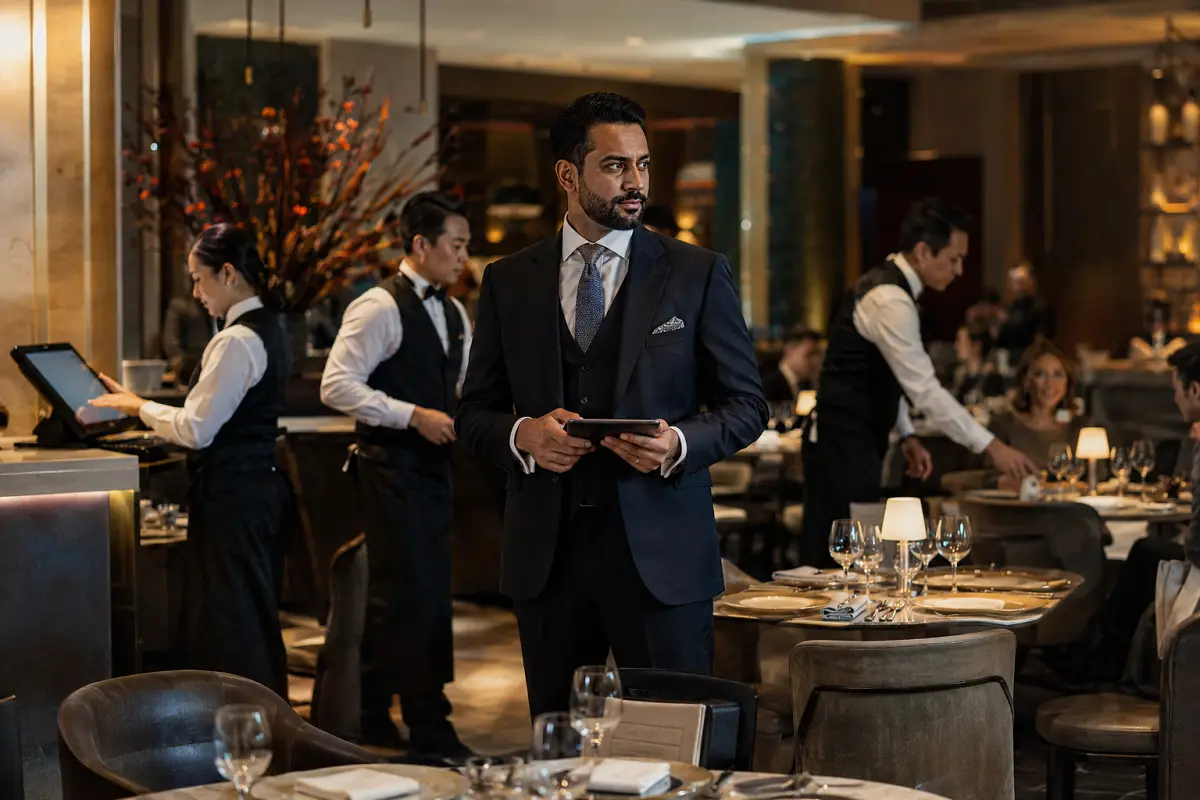
The latest feedback from the floor is clear. When the manager is sharp, the service runs. When the manager slips, everything backs up.
Overview of Advanced Restaurant Management Basics
Running a restaurant is not one job. It is kitchen, service, bar, and support all moving at once. And you are the one holding it together. If coordination breaks, service slows. Orders get missed. The table’s vibe drops fast. Your role is control. Planning the shift. Managing people. Watching the floor in real time. Fixing problems before guests feel them. And peak hours do not wait for you to think. You act. Fast and clean. This training builds that discipline. Tight workflow. Clear communication. Consistent execution.
SOP Procedure for Restaurant Management
This is your structure. Follow it every shift.
1. Pre-Shift Planning
Check reservations, covers, and events. Set your team based on volume. No guessing.
2. Staff Briefing
Run a quick, focused briefing. Menu highlights. Promotions. VIPs. Expectations.
Pro tip: If your briefing is weak, your service will be weaker.
3. Operational Setup Check
Walk the floor. Tables, stations, cleanliness, equipment. Everything must be ready before doors open.
4. Inventory and Stock Control
Check food, beverages, and supplies. Stay aligned with kitchen and bar.
5. Service Monitoring
Stay on the floor. Watch orders, timing, and guest reactions. Do not hide in the office.
6. Issue Resolution
Handle complaints and delays immediately. Fix it before it spreads across tables.
7. Post-Service Review
Review performance. What worked. What failed. Note it. Fix it next shift.
8. Reporting and Documentation
Track sales, stock usage, and service notes. No records means no control.
Operational Steps and Restaurant Workflow
This is how you run the shift. Step by step.
Step-by-Step Operational Workflow:
• Review reservations and guest flow
• Assign staff to sections
• Check table setup and stations
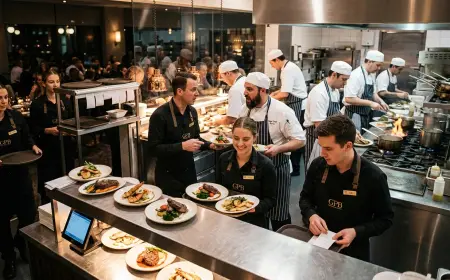
• Monitor order taking and kitchen coordination
• Track preparation and fire-order timing
• Ensure food and beverages go out on time
• Watch table turnover and seating flow
• Handle feedback and recovery
• Manage closing procedures
Service Timing Benchmarks:
• Greet within 30 seconds
• Take order within 3 to 5 minutes
• Food out within 15 to 20 minutes
• Beverages within 3 to 5 minutes
• Clear table within 2 minutes
Operational Controls:
• Keep communication tight between kitchen and service
• Cut delays before they build
• Deliver correct orders every time
• Watch staff performance constantly Speed matters. But control matters more.
Guest Interaction and Service Management Techniques
You set the tone on the floor.
Service Interaction Standards:
• Greet confidently and seat smoothly
• Stay visible on the floor
• Read guests and act early
• Keep communication calm and clear
Upselling and Revenue Techniques:
- Push high-margin items through your team
- Promote specials with confidence
- Drive beverages and desserts
Pro tip: Managers who sell increase revenue without pushing guests away.
Handling Guest Complaints:
• Listen fully
• Apologize clearly
• Fix it immediately
• Follow up after
Team Coordination:
• Keep communication clean across departments
• Step in during rush
• Make quick decisions A strong manager stabilizes the entire shift.
Tools and Equipment for Restaurant Management
Your systems support your control. Use them properly.
Primary Tools:
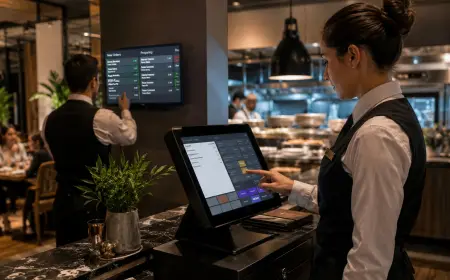
• POS system
• Reservation system
• Inventory software
• Staff scheduling tools
Support Equipment:
• Headsets or intercoms
• Order tracking systems
• Billing systems
• Reporting tools
Usage Guidelines:
• Check all systems before service
• Train staff properly
• Monitor accuracy
• Keep backup plans ready Technology helps. But only if you stay on top of it.
Service Standards and Performance Metrics
This is how your performance is measured.
Key Performance Metrics:
• Order accuracy at 100%
• Service timing within limits
• Table turnover optimized
• Staff productivity high
• Guest satisfaction strong
• Complaint resolution fast Numbers tell the truth. Always watch them.
Evaluation and Continuous Improvement
You do not repeat mistakes. You correct them.
Evaluation Methods:
• Daily service reviews
• Guest feedback and online reviews
• Staff performance checks
• Sales and cost reports
• Operational audits Common problems show up quickly. Poor coordination. Slow service. Stock issues. Fix them with training, structure, and supervision. A strong manager keeps the operation tight. Smooth flow. Sharp team. Consistent service every shift.
Read more about beer service training.