Restaurant Teamwork and Coordination Training for Service Efficiency
Learn restaurant teamwork and coordination training with SOP, service workflow, team communication, and operational efficiency techniques for restaurant staff.
 Jyoti Kushwaha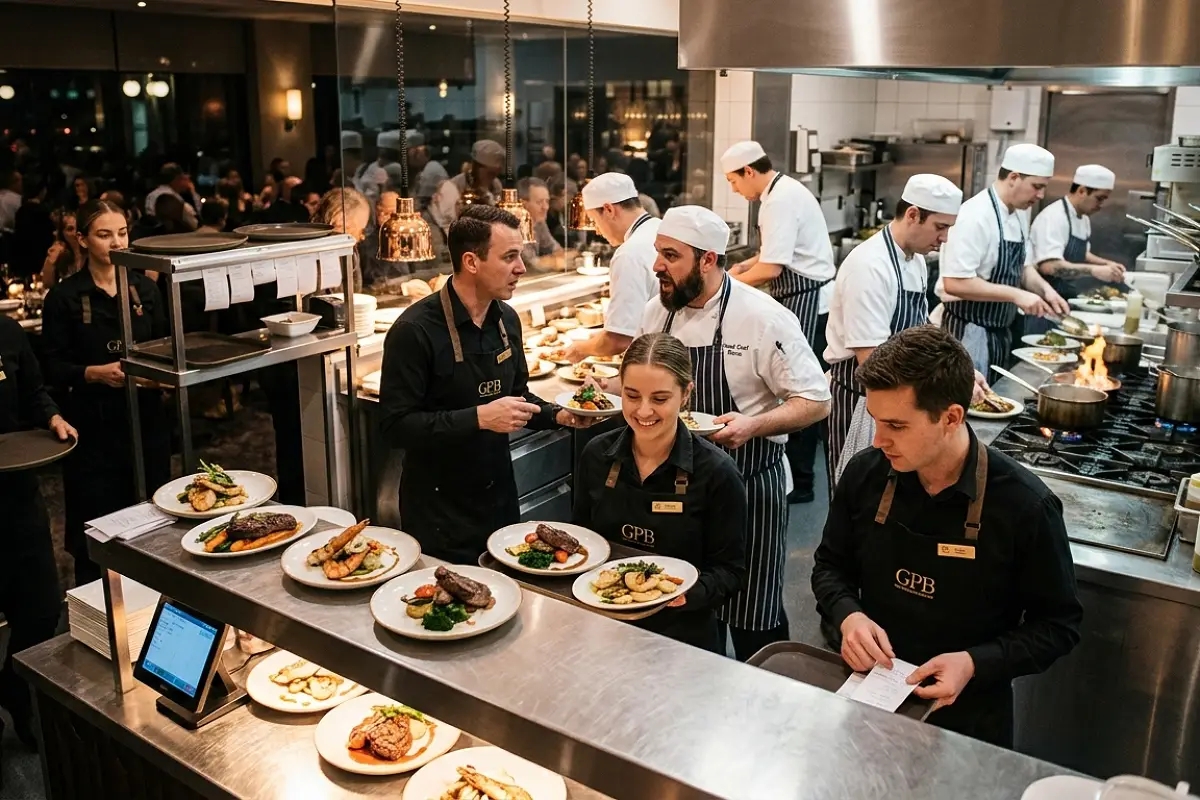
The latest feedback from the pass says it straight, service doesn’t fail because people are slow, it fails because the team isn’t moving as one.
Overview of Teamwork and Coordination in Restaurant Operations
This is a team game. Always has been.
Service, kitchen, supervisors, if one side slips, the whole floor feels it. And guests pick it up fast.
Most delays? Not skill issues. Coordination breakdowns. Orders stuck, food waiting, tables getting restless.
Strong teams don’t just do their job. They cover each other.
And tight coordination between FOH and BOH keeps the fire-order clean and the table’s vibe steady.
This is about working like a unit, not individuals sharing space.
SOP Procedure for F&BTeamwork and Coordination
This is your structure. No structure, no teamwork.
1. Pre-Shift Briefing
Get everyone aligned. Roles, menu changes, expected rush, no surprises mid-service.
2. Role Allocation
Lock responsibilities. Who’s taking orders, running food, handling drinks, clearing tables.
3. Communication Protocol
Keep it short. Clear. Repeat only when needed.
4. Order Coordination
Orders go in clean and fast. Kitchen gets full clarity, no guessing.
5. Service Support
If your teammate is buried, you step in. No waiting to be asked.
6. Real-Time Monitoring
Supervisors watch the floor. Shift people where pressure builds.
7. Issue Handling
Fix problems immediately. Don’t let small delays snowball.
8. Post-Shift Review
Break it down. What worked, what slowed you down, fix it next shift.
Pro-tip: A strong team talks before problems happen.
Operational Steps and Team Coordination Workflow
This is your flow. Miss steps, and service stutters.
Step-by-Step Coordination Workflow:
• Run a tight pre-shift briefing and assign duties
• Set up stations together, no one starts half-ready
• Greet guests within 30 seconds
• Take orders within 3–5 minutes
• Enter orders immediately, no delays
• Call out special requests clearly to kitchen
• Sync food pickup and delivery,no plate sitting at the pass
• Keep eyes on tables, don’t wait for guests to call
• Jump in during peak, no “that’s not my section” attitude
• Clear and reset tables fast
• Close billing within 3 minutes
Service Timing Benchmarks:
• Greeting: within 30 seconds
• Order taking: 3–5 minutes
• Order entry: immediate
• Food delivery: 15–20 minutes
• Table clearing: within 2 minutes
• Billing: within 3 minutes
Operational Controls:
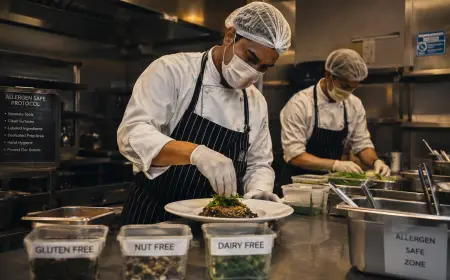
• FOH and BOH stay in constant sync
• No duplicate work, know who’s doing what
• Clean handovers between staff
• Spot delays early and fix them fast
Pro-tip: If food is waiting at the pass, your coordination is already broken.
Guest Interaction and Team Coordination Techniques
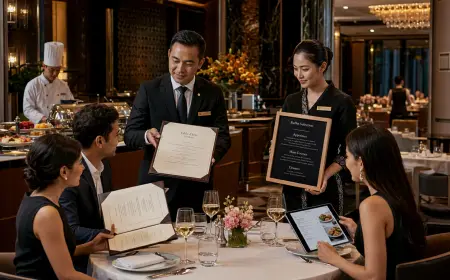
The guest should see one smooth service, not five different staff.
Coordinated Guest Interaction:
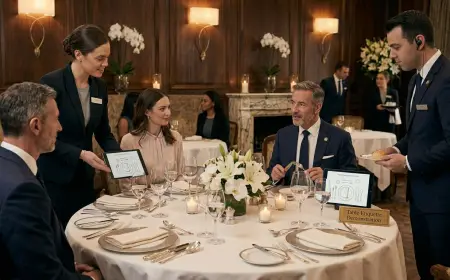
- One main server leads the table
- Everyone else supports quietly
- No mixed messages to the guest
Team Communication Techniques:
• Short calls. Clear words.
• Confirm once, move on
• Use eye contact and signals when it’s loud
Service Coordination Techniques:
• All plates hit the table together
• Drinks land before food, always
• Stick to service sequence, no shortcuts
Handling Peak Hours:
• Back up teammates instantly
• Focus on high-impact tasks, orders and delivery
• Stay calm. Panic spreads faster than orders
Common Coordination Issues:
• Kitchen and service not aligned
• Food sitting unpicked at the pass
• Staff unsure of roles
• Two people doing the same job, or no one doing it
Pro-tip: Guests don’t see your system. They feel your coordination.
Tools and Equipment for Team Coordination
Tools are there to support speed, not create confusion.
Primary Tools:
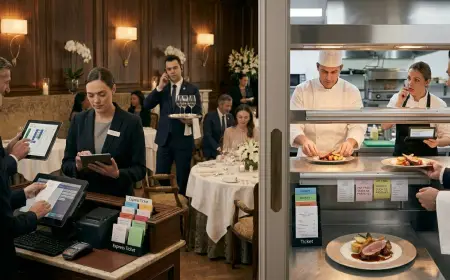
• POS system, fast, accurate orders
• KDS, track every ticket live
• Reservation system, control your flow
• Communication devices, use them properly
Support Equipment:
• Trays and trolleys, move smarter
• Order pads or handhelds
• Table numbering systems
• Digital communication tools
Usage Guidelines:
• Punch orders immediately
• Watch KDS for timing and delays
• Communicate updates fast
• Keep stations clean and organized
Pro-tip: Disorganized stations kill teamwork faster than a rush.
Service Standards and Performance Metrics
This is how you know your team is tight, or not.
Key Performance Metrics:
• Service timing: on point
• Order accuracy: 100%
• Team flow: smooth, no collisions
• Guest satisfaction: steady and strong
• Table turnover: controlled, not rushed
• Errors: minimal
If these slip, your coordination is off. Fix the team, not the individual.
Evaluation and Continuous Improvement
Good teams review. Great teams adjust fast.
Evaluation Methods:
• Watch the floor during service
• Run team feedback sessions
• Listen to guest comments on service flow
• Check timing reports
• Audit operations regularly
Main problems? Poor communication, unclear roles, weak coordination.
Fix them with tighter briefings, clearer roles, and stronger supervision.
Bottom line, teams that move together win the service.
Everyone else just reacts.
Read more about hospitality reservation management.