COCTAILS FOR BEGINNERS
Learn cocktail recipe fundamentals with this beginner’s guide covering techniques, tools, beverage service, and hotel style cocktail preparation.
 Sanjana Dutta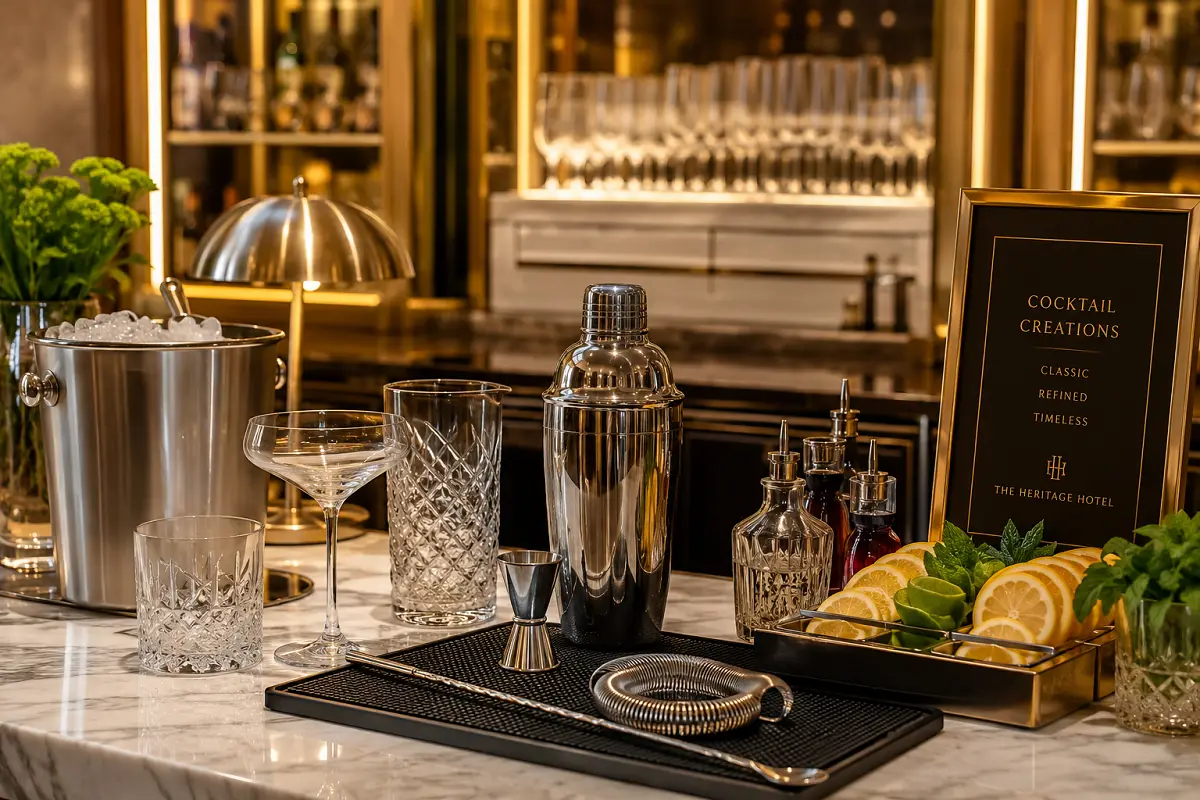
Cocktail preparation is one of the most valuable skills within hotels, restaurants, bars, and beverage training environments. This beginner-focused cocktail recipe guide introduces the essential principles of beverage preparation, helping new professionals and enthusiasts understand ingredients, techniques, presentation standards, and operational practices used in modern hospitality service.
For many beginners, cocktails appear complex because of the wide variety of spirits, glassware, terminology, and preparation styles available across hospitality operations. However, professional beverage preparation follows a structured process built around balance, consistency, temperature control, and presentation. Once these principles are understood, preparing quality drinks becomes practical and repeatable.
A cocktail recipe is generally built around three primary elements: a base spirit, balancing ingredients, and a finishing component. Understanding this structure is often more important than memorizing dozens of drink formulas because it creates flexibility and confidence during beverage preparation.
The first component is the base spirit. Spirits provide identity and define the overall character of a beverage. Common choices include vodka for clean profiles, gin for botanical notes, rum for tropical styles, tequila for vibrant citrus compatibility, whiskey for deeper character, and brandy for richer flavor development.
The second element is balance. Most successful cocktails combine sweetness, acidity, dilution, and alcohol structure. Citrus juices introduce freshness and acidity while syrups or liqueurs create softness and improve flavor harmony. Professional beverage service relies on exact measurement to maintain consistency and deliver predictable guest experiences.
Temperature and dilution also influence quality. Ice is not simply used for cooling—it controls texture and flavor integration. Excess dilution weakens beverages while insufficient chilling creates harshness. Hotel style cocktail preparation emphasizes fresh ice, controlled shaking, and immediate service to maintain premium standards.
Beginners should become familiar with three foundational preparation techniques. Shaking is used when recipes contain juices, syrups, dairy, or ingredients requiring full integration. Stirring is preferred for spirit-forward beverages because it creates a smoother texture while preserving clarity. Building refers to assembling ingredients directly inside the serving glass for efficient execution.
Professional bar training also introduces the importance of equipment selection. Essential tools include a shaker, jigger, bar spoon, strainer, muddler, citrus press, and polished glassware. Accurate tools improve speed, reduce ingredient waste, and support consistency across restaurant preparation and hospitality environments.
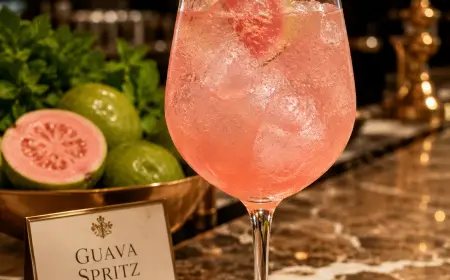
New bartenders and beverage learners should begin with approachable drink styles before moving into advanced techniques. Refreshing coolers, citrus-based drinks, simple spritz variations, and straightforward martini formats provide excellent opportunities to understand balance without unnecessary complexity.
Presentation remains equally important in hospitality operations. Guests experience beverages visually before tasting them. Clean glassware, properly positioned garnish, fresh ingredients, and attractive color contribute directly to perceived quality and overall satisfaction. Professional beverage service consistently prioritizes visual execution alongside flavor.
Operational discipline also supports beverage excellence. Mise en place preparation, ingredient organization, sanitation, and measurement control ensure smooth execution during busy service periods. Developing these habits early creates stronger long-term performance in bars, restaurants, and hotel environments.
As confidence improves, beginners can expand into seasonal ingredients, infused syrups, signature serves, and creative beverage concepts. Mastering foundational preparation techniques first creates the strongest platform for long-term growth in beverage service and professional cocktail development.
Whether the goal is home preparation or hospitality training, understanding the basics of cocktail recipe development allows beginners to create balanced, visually appealing, and service-ready beverages with confidence and consistency.
Read more - Is a martini a cocktail? The Truth Behind the Debate
Cocktail Recipe Method
Select a base spirit and combine it with balancing ingredients such as citrus and syrup using measured quantities. Apply the correct technique—shake, stir, or build—based on ingredient style. Chill properly, strain when required, garnish neatly, and serve immediately.
(Standard Operating Procedure)
Use calibrated jiggers for all measurements. Maintain sanitized tools, prepare citrus fresh daily, store ingredients at proper temperature, use fresh ice for every serve, and inspect glassware before presentation. Follow standardized workflows to maintain consistency during beverage service.
Garnish & Presentation
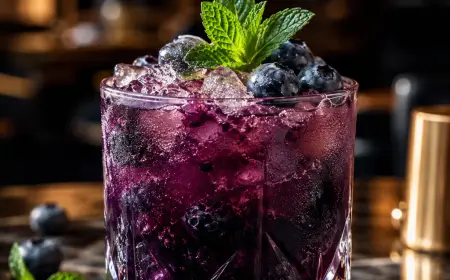
Keep garnish simple and functional. Use citrus wheels, mint sprigs, herbs, dehydrated fruit, or elegant twists that support the drink profile. Ensure clean rims and visually balanced presentation suitable for hotel style cocktail standards.
Glassware & Serving Tips
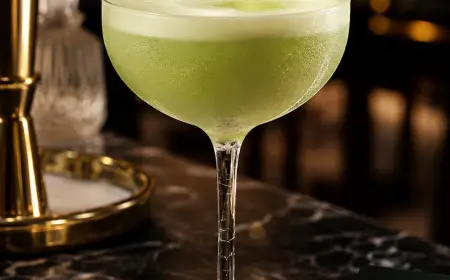
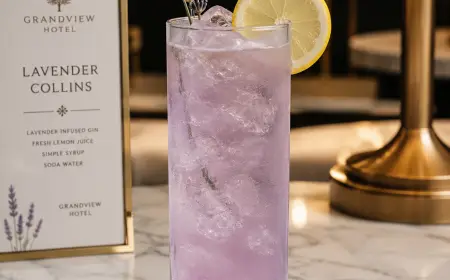
Match glassware to beverage style. Use highball glasses for refreshing drinks, coupe or martini glasses for chilled cocktails, and rocks glasses for spirit-forward serves. Serve immediately to preserve aroma, texture, and temperature.
read more - Elderflower Gin Spritz Cocktail Recipe with SOP, Garnish & Presentation Guide
Ingredients
- Cocktail Shaker — Mixes and chills drinks quickly (Boston shaker or Cobbler shaker).
- Jigger — Measures exact liquid quantities for consistency.
- Bar Spoon — Long spoon for stirring layered or spirit-forward cocktails.
- Strainer — Removes ice, fruit pulp, and herbs when pouring.
- Muddler — Crushes mint, citrus, berries, herbs, and sugar.
- Mixing Glass — Used for stirred cocktails instead of shaken ones.
- Citrus Juicer / Press — Extracts fresh lemon, lime, or orange juice.
- Fine Mesh Strainer — For double-straining smoother drinks.
- Ice Bucket & Tongs — Keeps ice clean and easy to handle.
- Peeler / Channel Knife — Creates citrus twists and garnish.
- Bottle Pourers — Helps control speed and consistency during service.
- Glassware Collection — Martini glass, rocks glass, highball glass, coupe, wine glass.
Nutritional Information
- Alcohol Content – Moderate:
- Protein – 0 g:
- Fat – 0 g:
- Carbohydrates – 0 g:
- Calories – o kcal:
- Sugar – 0g:
Directions
Beginner Cocktail recipe

Rate this Recipe
User Reviews
No reviews yet. Be the first to share your thoughts!