Ex-Product Manager Launches Nishaan in NYC, Hits ₹1.3 Cr Monthly Revenue
Zeeshan Bakhrani, a former product manager, launched Nishaan in Manhattan in August 2025 and now generates ₹1.3 crore in monthly revenue through a fusion restaurant concept.
 Prajakta Sanjay Warwadkar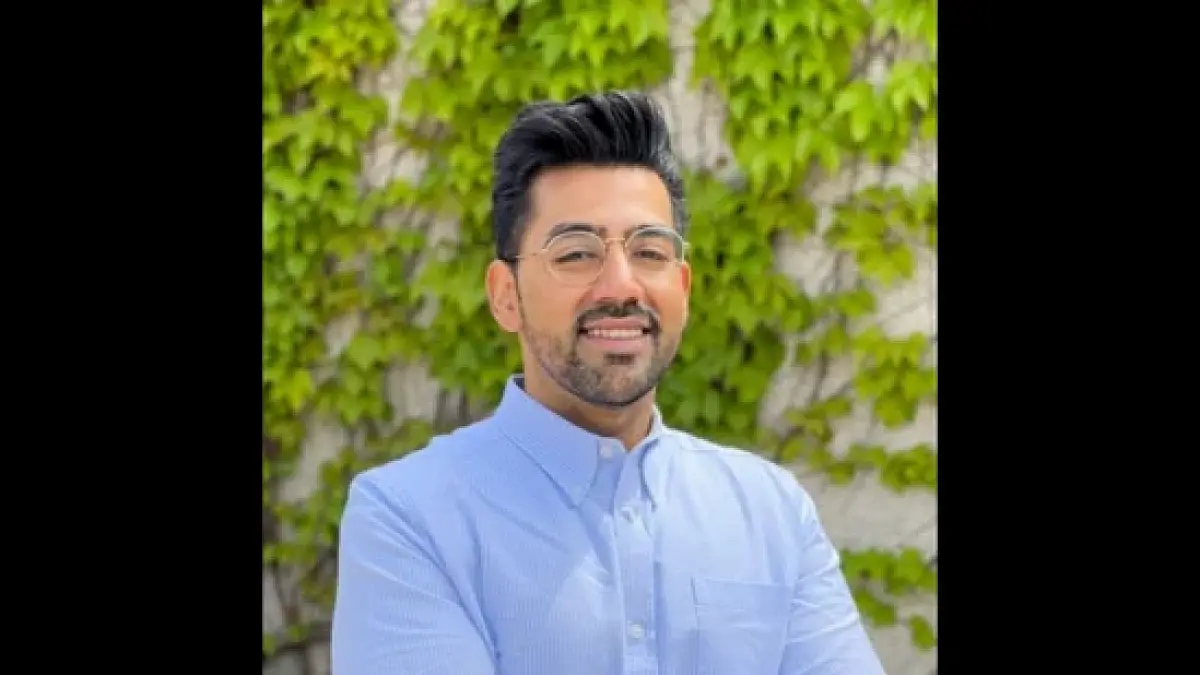
Pakistani-American entrepreneur Zeeshan Bakhrani has built a high-performing restaurant business in New York after leaving the corporate sector, with his Manhattan-based outlet Nishaan generating monthly revenue of approximately $140,000 (₹1.3 crore) since its launch in August 2025.
Bakhrani, 34, transitioned into the food service industry following two layoffs from product management roles. After nearly a decade in the corporate sector, he invested $70,000 of personal savings to establish Nishaan, positioning it as a fusion concept blending Pakistani and American culinary influences.
Restaurant Launch and Financial Performance
Nishaan was launched in Manhattan in August 2025, with initial capital covering rent deposits, kitchen equipment, and renovation costs. Within months of opening, the restaurant reached a reported monthly revenue of $140,000, marking a key milestone for the business in November.
Despite achieving profitability, Bakhrani has not yet begun drawing a salary from the venture, instead relying on savings and severance funds. The financial performance reflects early traction in a competitive urban dining market.
Concept and Menu Positioning
The restaurant operates on a fusion model, integrating Pakistani and American flavors into a single menu framework. Bakhrani’s approach draws on his dual cultural background, combining traditional elements with contemporary formats.
Menu offerings include items such as Pakistani chopped cheese sandwiches, Bihari-style barbacoa tacos, and buffalo tandoori chicken sandwiches. The beverage program features drinks like mango fizz refreshers, while desserts include options such as chocolate paratha funnel cake.
The concept is positioned around experimentation and cross-cultural adaptation, reflecting a broader industry trend where operators reinterpret traditional cuisines for diverse urban audiences.
Background and Pre-Launch Development
Before opening Nishaan, Bakhrani developed his culinary business through pop-up events across cities including Dallas and Chicago. This phase began after his first layoff in 2023, when he used personal savings to test menu concepts and build market awareness.
He later returned to a full-time corporate role while continuing to develop the food business. A turning point came with his participation in season 18 of the television show “The Great Food Truck Race,” where his team secured a share of the $50,000 prize.
The exposure and financial support contributed to the transition from pop-ups to a permanent restaurant format.
Influences and Culinary Development
Bakhrani’s culinary perspective has been shaped by his upbringing in Chicago’s Devon neighbourhood, an area known for its diverse food culture. Exposure to Indian, Pakistani, Mexican, and Eastern European cuisines influenced his approach to menu development.
He has cited his mother’s cooking style as a significant influence, describing it as experimental and flexible. This approach has translated into Nishaan’s menu, where traditional recipes are adapted using varied spices and preparation techniques.
His early interest in cooking included recreating dishes seen on television and modifying them with ingredients such as cumin, coriander, and chilli powder, forming the basis of his current culinary identity.
Expansion Plans and Business Direction
Following initial success, Bakhrani is planning to expand Nishaan’s operations, including potential new outlets in cities such as Chicago. The strategy includes extending the menu and scaling the brand’s presence in additional markets.
The venture also aims to introduce Pakistani flavors to a broader audience within the United States, aligning with a growing trend of regional cuisines gaining mainstream visibility through hybrid dining concepts.
The business remains in its early growth phase, with the founder focused on reinvesting earnings and strengthening operational foundations before scaling further.