Dhaam and the Discipline of Luxury: Himachal’s Most Exclusive Feast
Explore Himachali Dhaam, a traditional sattvik feast rooted in ritual, sustainability, and regional heritage, now gaining relevance in global culinary conversations.
 Punita Thakur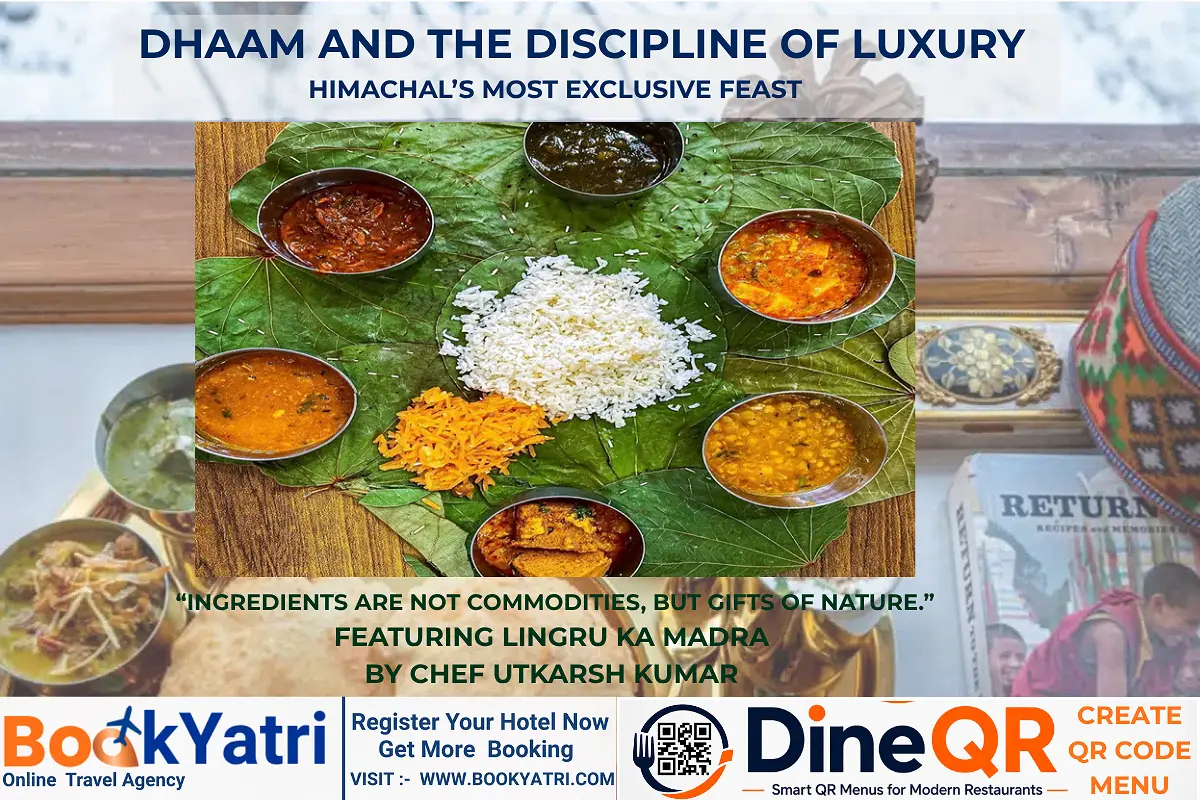
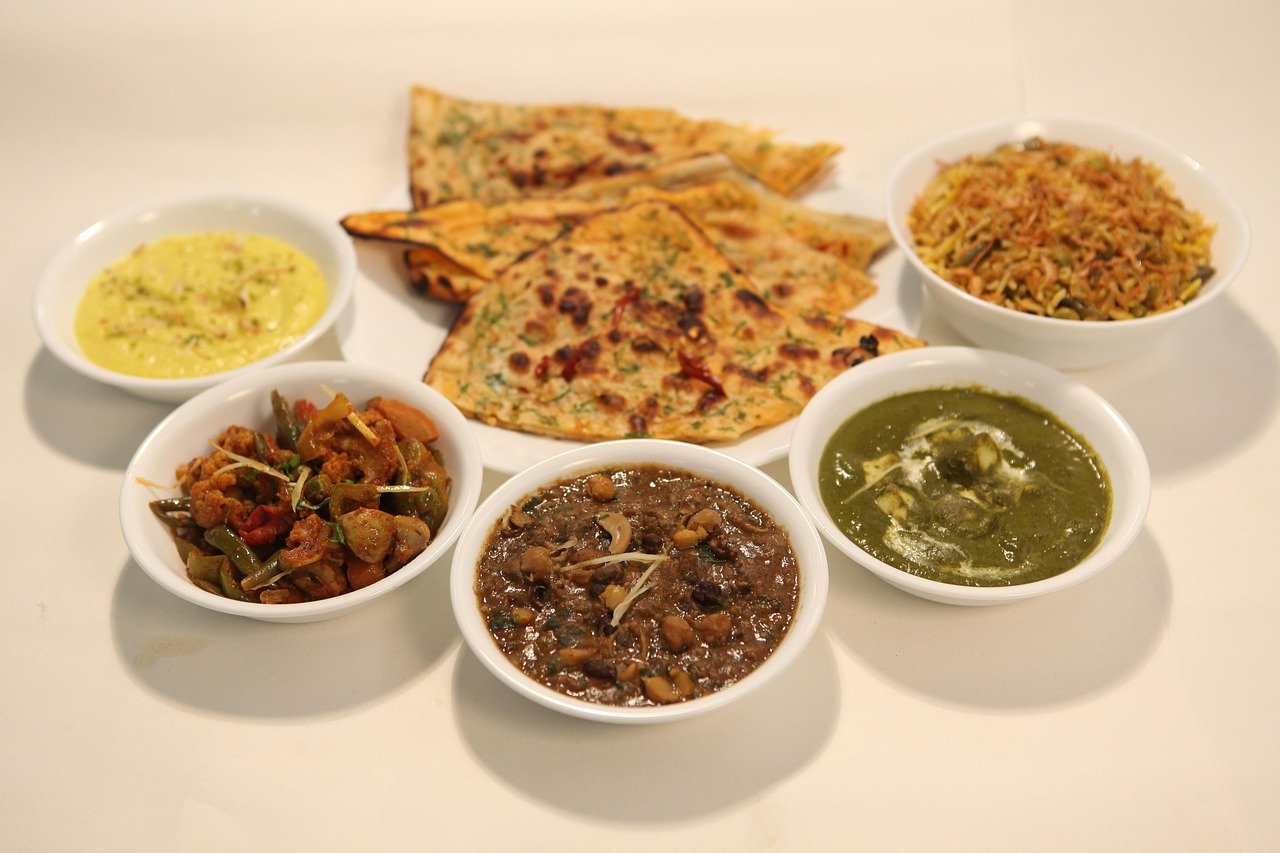
Dhaam, the ceremonial feast of Himachal Pradesh, stands as a compelling example of how regional traditions can embody both historical depth and contemporary relevance. Traditionally served during weddings, festivals, and temple gatherings, Dhaam is not merely a meal it is a meticulously orchestrated culinary experience shaped by ritual, geography, and community.
Its origins are often linked to cultural exchanges between the Himalayan regions of Himachal and Kashmir. Oral histories suggest that the structure of Dhaam draws inspiration from the elaborate Kashmiri Wazwan, a royal multi-course feast. In adapting this format, however, Himachali rulers entrusted Brahmin chefs locally known as botis, to reinterpret the meal through a strictly sattvik lens, eliminating onion and garlic while emphasizing purity, balance, and digestibility.
Structured Meal Rooted in Tradition
The foundation of Dhaam lies in its sequential presentation, with rice serving as the central element around which dishes are served in a fixed order. The cuisine prominently features yogurt, lentils, and pulses, resulting in dishes that require technical precision despite their apparent simplicity.
Key preparations include Madra, a yogurt-based curry typically made with chickpeas or kidney beans, alongside Mash ki dal, Khatta, and Meetha Bhaat. The latter introduces sweet notes through saffron, dried fruits, and aromatic spices, creating a balanced progression of flavors designed to align with Ayurvedic principles.
Technique and Sustainability at the Core
One of the defining techniques of Dhaam is dhuni, an ancient smoking method in which hot charcoal, often paired with mustard oil, is briefly introduced to impart a subtle smokiness. This technique adds depth without overwhelming the inherent flavors of the ingredients, reflecting a broader Himalayan philosophy of restrained yet layered seasoning..
The meal is traditionally served on leaf plates, reinforcing a zero-waste ethos long before sustainability became a global concern. Equally significant is the sequencing of dishes, designed not only for flavor progression but also for digestive balance an approach that aligns closely with Ayurvedic principles.
Regional Influences and Evolving Interpretations
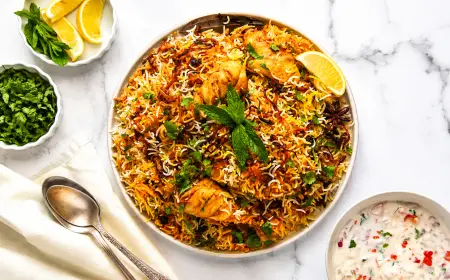
Geographically, Himachal Pradesh sits at a culinary crossroads, and Dhaam reflects this intersection. Elements reminiscent of Punjabi and Kashmiri cuisines emerge in regional variations, including dishes such as Kadhi Pakora or saffron-infused rice. Yet, Dhaam retains a distinct identity through its sattvik discipline and ceremonial context.
In recent years, Dhaam has begun to evolve beyond its traditional boundaries. While the classical format remains vegetarian, contemporary interpretations are beginning to incorporate non-vegetarian elements such as Chha Gosht and Khatta Meat. Indigenous ingredients like Bhey (lotus stem) and Mukund Wadi are also being reintroduced with renewed focus.
The Return of Lingdu
Among these, Lingdu the fiddlehead fern has emerged as a defining ingredient in modern reinterpretations of Dhaam. Traditionally foraged during a brief seasonal window, it embodies the principles of terroir and time.
Once limited to local consumption, lingdu is now being positioned alongside globally prized ingredients such as wild mushrooms and truffles for its seasonality and unique character. Its preparation, particularly in Lingru ka Madra, highlights the technical discipline of Himachali cuisine where temperature control, patience, and balance are essential.
Global Relevance of a Regional Tradition
If Dhaam is a philosophy, then Lingru ka Madra is one of its most intimate expressions. Rooted in seasonality and shaped by technique, the dish brings together foraged fiddlehead ferns and a slow-cooked yogurt base demanding both restraint and precision.
Here Chef Utkarsh Kumar shares his interpretation of this Himalayan classic:
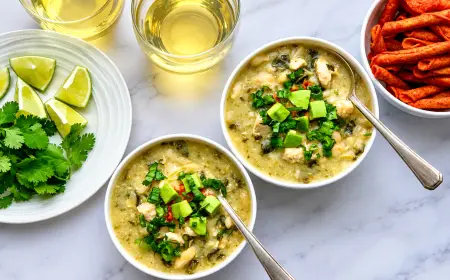
Lingru ka Madra (Fiddlehead Ferns in Yogurt Gravy)
A seasonal Himachali delicacy, Lingru ka Madra celebrates the wild, foraged fiddlehead ferns, gently cooked in a rich, spiced yogurt base. Rooted in Dhaam traditions, this dish reflects both restraint and depth of flavor.
Main Ingredients
- 500 g fiddlehead ferns (lingru), cleaned, washed, and chopped Gravy
- 400–500 g fresh curd (yogurt), well beaten Fat
- 3 tbsp ghee (preferred) or neutral oil Whole Spices
- 1 tsp cumin seeds
- 2–3 cloves
- 2 green cardamoms
- 1 bay leaf Ground Spices
- 1 tsp turmeric powder
- 1 tsp cumin powder
- 1 tsp coriander powder
- 1 tsp red chili powder Finishing
- 2 tbsp fresh cream
- 1 tbsp dry fruits (almonds, cashews), lightly crushed
- Optional: 1 tsp coconut powder
Method
- Prepare the Lingru Wash the fiddlehead ferns thoroughly to remove any grit or impurities. Trim and chop as required.
- Temper the Spices Heat ghee in a thick-bottomed pan. Add cumin seeds, cloves, cardamom, and bay leaf. Allow them to release their aroma.
- Cook the Ferns Add turmeric powder followed by the chopped lingru. Sauté for 2–3 minutes. Add a splash of water, cover, and cook until tender (about 5 minutes).
- Incorporate the Yogurt Reduce the heat to low. Gradually add the beaten curd, stirring continuously to prevent curdling. Maintain a gentle heat.
- Simmer the Madra Cook slowly, stirring, until the yogurt thickens and begins to release fat along the edges.
- Finish the Dish Add red chili powder, coriander powder, dry fruits, and cream. Simmer for another 2–3 minutes for a rich, rounded finish.
Serving
- Serve hot with steamed rice, as part of a traditional Dhaam-style meal.
Chef’s Note
- The key to a perfect Madra lies in temperature control never let the yogurt split.
- Lingru is highly seasonal and foraged, making this dish a true expression of terroir and time.
- For a more traditional sattvik version, skip cream and rely solely on yogurt and ghee for richness.
Chef Utkarsh Kumar, a New York based chef with Fine Indian Dining Group, brings a deeply personal connection to his food. Born and raised in the hills of Himachal Pradesh, he experienced nature in its closest and most intimate form. The mountains were never just a backdrop to his childhood they were a source of food, learning, and connection.
Fiddlehead ferns, or lingdu, grow only for a brief window of about two months each year, always in the wild. Even today, they are not cultivated on farms. As a child, he would walk up the mountains, often following the flow of rivers, to forage these tender greens at their freshest, handpicked, untouched, and deeply rooted in the land.
The same ritual followed for wild morels. After the first rains, often accompanied by lightning, he would head into the mountains with his family. His father would often say, “This is the best time to find them.” It was more than foraging, it was instinct, tradition, and knowledge passed down without books or formal training.
These journeys shaped his understanding of ingredients not as commodities, but as gifts of nature, bound by season, patience, and respect.