Dahi Vada Recipe with SOP & Presentation Guide
Starters Dahi Vada recipe with SOP & presentation guide for hotel style and restaurant preparation with authentic taste.
 Tripti Srivastava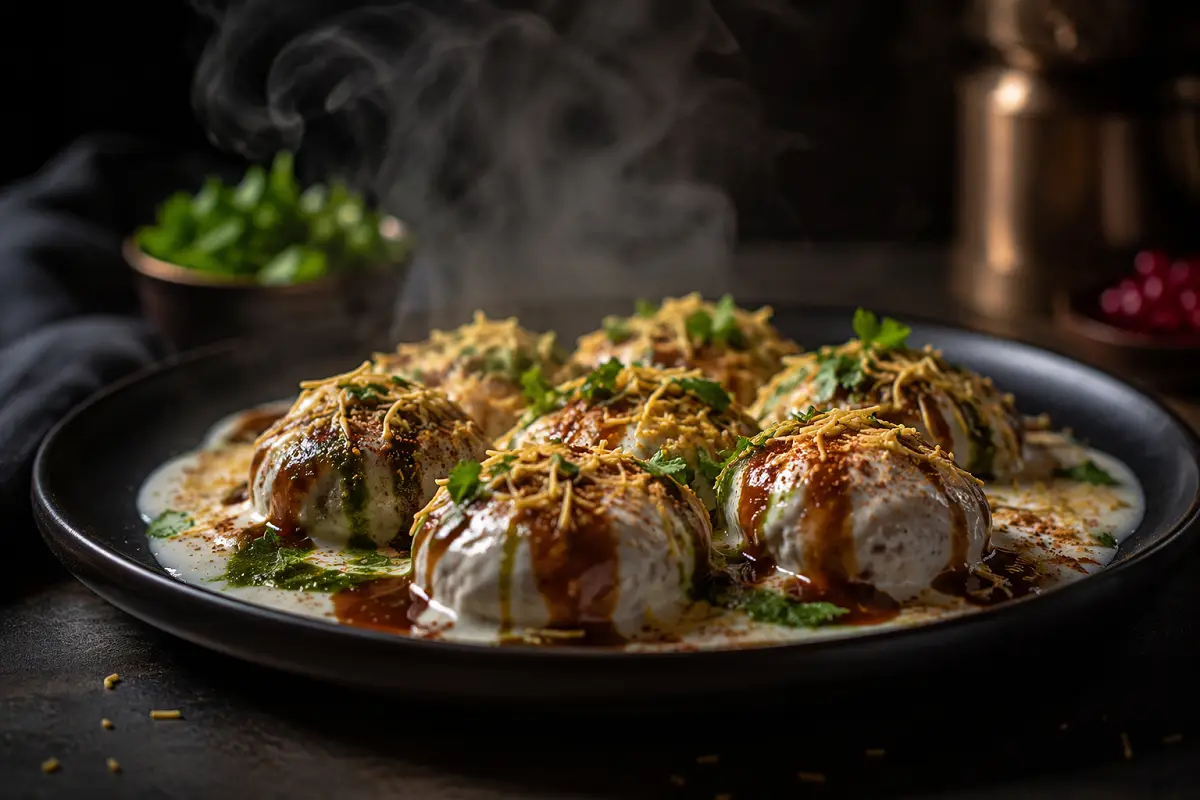
Dahi Vada recipe is one of those starters every serious kitchen has to get right. You’ll see it across hotel lines, buffet setups, and restaurant service. Soft lentil dumplings, soaked in creamy yogurt, finished with chutneys and spice it’s all about balance on the plate and clean execution.
In hospitality, this dish sits in the premium chaat section for a reason. It brings comfort but still looks sharp on the plate. You’ll find it in buffets, festive spreads, and Indian specialty menus. The hotel-style focus is simple ultra-soft vadas, well-seasoned yogurt, and tight, consistent plating.
The base of this starter is the vada made from urad dal. In a pro kitchen, soaking time matters it drives the texture. Get the lentils hydrated right, grind them smooth, and you’re set up for that soft finish every time.
Aeration is where most people mess up. You’ve got to beat air into that batter properly. That’s what gives you light, fluffy vadas that stay soft even after frying and soaking.
Frying is straight control work. Keep the oil steady so you get an even cook and a light golden outside not dark, not greasy. And don’t crowd the fryer, or you lose consistency fast.
Once fried, straight into warm water. This step makes or breaks the dish. It softens the vadas so they hit that melt-in-the-mouth feel. But don’t leave them too long, or they’ll fall apart on you.
The yogurt has to be clean and smooth. Fresh curd, whisked well, with light seasoning salt and sugar balanced. In a hotel kitchen, you keep that consistency tight so every portion coats the same.
Then comes the layering. Tamarind chutney for sweet-tang, green chutney for heat and freshness. You prep these ahead and use them with control so every plate tastes identical.
Spices finish the job roasted cumin, red chilli powder, chaat masala. Spread them evenly. Every bite should carry the same punch.
Texture is what sells this dish. Soft vada, creamy yogurt, a bit of crunch from sev or boondi it all has to hit together. That contrast is what makes it work.
Timing on assembly is tight. Soak, squeeze, plate with yogurt just before service. Wait too long and you lose structure and freshness.
Portion control keeps the kitchen in check. Fixed number of vadas, measured yogurt, controlled toppings. That’s how you keep cost and quality steady.
Clean work matters here. Wash lentils properly, handle yogurt right, store chutneys safely. No shortcuts this is basic kitchen discipline.
This dish can take variations stuffed vadas, flavored yogurt, fusion toppings. But whatever you do, keep it consistent across the board.
Plating should look sharp but simple. Bowl or plate, vadas lined clean, yogurt smooth, toppings bright. The contrast does the talking.
From a training point of view, this recipe builds core skills batter work, frying control, soaking, and flavor balance. And it teaches timing on the line.
Good prep makes service easy. Batter ready, chutneys set, yogurt done. Then you just assemble fast without dropping quality.
Serve it chilled or slightly cool. That’s what gives it that refreshing edge, especially on buffets.
You’ll see modern plating styles layered cups, fusion touches but the classic version still wins because it delivers clean flavor and comfort.
Dahi Vada stays on menus because it works. Balanced flavor, strong visual, and consistent output it ticks all the boxes.
At the end, this dish is about soft texture, creamy finish, and sharp flavor hits. Done right, it’s simple but powerful, and it always delivers on the plate.
Restaurant Preparation Method
Urad dal is soaked and ground into a smooth batter, which is then aerated and deep-fried into vadas. The vadas are soaked in warm water, squeezed gently, and immersed in seasoned yogurt. The dish is finished with chutneys and spices before serving.
SOP (Standard Operating Procedure)
Soak lentils properly for smooth batter. Whisk batter to incorporate air. Maintain oil temperature for even frying. Soak vadas in warm water to soften. Use fresh, whisked yogurt. Standardize chutney and spice quantities. Assemble just before serving. Maintain hygiene and proper storage.
Dahi Vada Recipe Garnish & Presentation
Garnish with tamarind chutney, green chutney, roasted cumin powder, red chilli powder, and fresh coriander. Add sev or boondi for texture. Ensure smooth yogurt coating and vibrant topping contrast for premium hotel style presentation.
Also Read: Chicken Kathi Roll
Plating & Serving Tips
Serve chilled or at room temperature in bowls or plates. Arrange vadas neatly and avoid excess liquid. Use portion control for consistency. Ideal for buffet spreads, chaat counters, and restaurant starter menus.
Ingredients
- Urad dal (split black gram) – 250 grams
- Water (for soaking) – 500 ml
- Oil (for frying) – 1 liter
- Salt – 6 grams
- Yogurt (curd, whisked) – 400 grams
- Sugar – 15 grams
- Salt – 5 grams
- Tamarind chutney – 80 ml
- Fresh coriander leaves – 20 grams
- Green chutney – 60 ml
- Roasted cumin powder – 5 grams
- Red chilli powder – 3 grams
- Chaat masala – 5 grams
- Sev or boondi – 60 grams
Nutritional Information
- Calories: 280 kcal
- Protein: 9 g
- Carbohydrates: 32 g
- Fat: 12 g
- Fiber: 4 g
Directions
1. Soak Lentils
Soak urad dal in water for 6–8 hours until soft.
2. Grind Batter
Grind soaked dal into a smooth thick batter with minimal water.
3. Aerate Batter
Whisk batter vigorously to incorporate air and make it light.
4. Heat Oil
Heat oil and maintain medium temperature for frying.
5. Fry Vadas
Drop batter portions and fry until golden and cooked evenly.
6. Soak Vadas
Soak fried vadas in warm water for 10 minutes.
7. Squeeze Water
Gently press vadas to remove excess water without breaking.
8. Prepare Yogurt
Whisk yogurt with salt and sugar until smooth.
9. Assemble Dish
Place vadas in serving dish and pour yogurt evenly.
10. Add Toppings
Add chutneys, spices, and garnishes.
11. Serve
Serve chilled or at room temperature for best taste and presentation.
Rate this Recipe
User Reviews
No reviews yet. Be the first to share your thoughts!