Khandvi Recipe with SOP & Presentation Guide
Starters Khandvi recipe with SOP & presentation guide for hotel style and restaurant preparation with perfect texture.
 Tripti Srivastava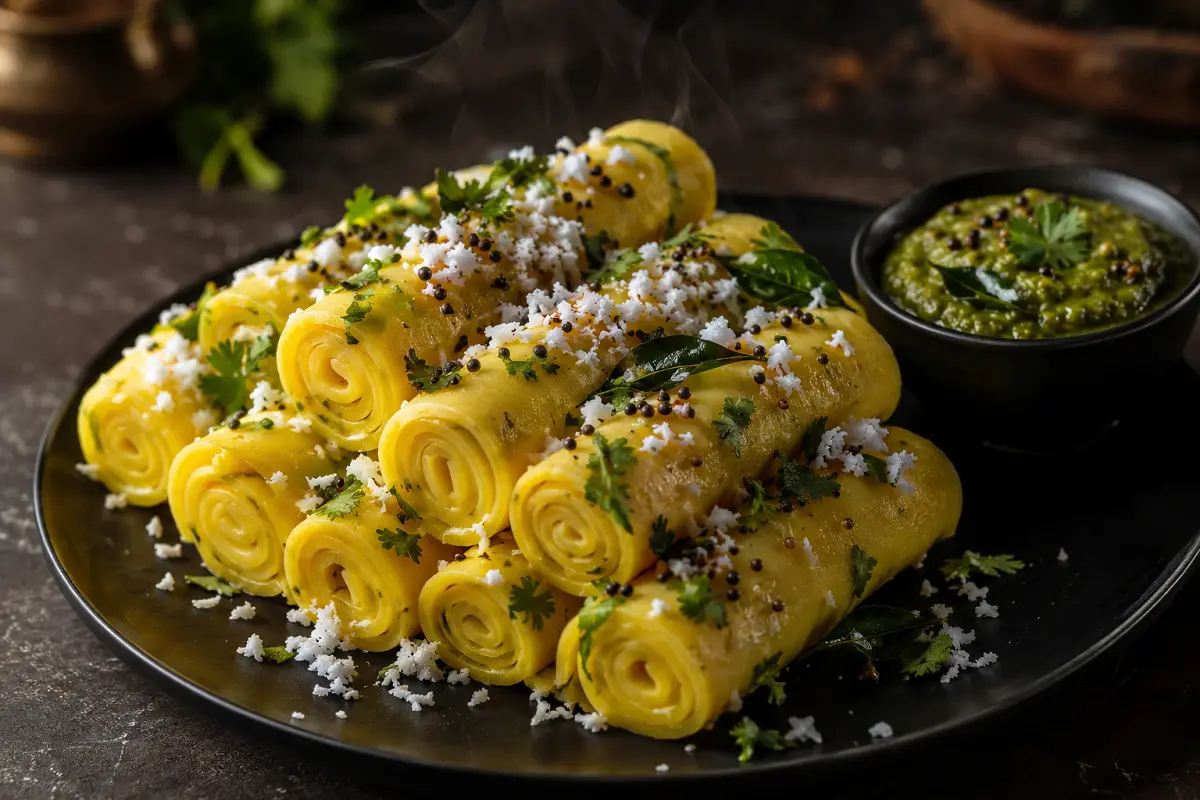
The Khandvi recipe is one of those dishes that separates casual cooks from real kitchen pros. You see it across hotel-style kitchens, premium restaurants, and buffet lines for a reason. Soft, clean, melt-in-the-mouth rolls that look simple but they demand control. This Gujarati classic is all about tight technique, sharp timing, and consistency on every tray.
In the hospitality game, Khandvi earns its place through clean plating and a light bite that works in upscale vegetarian menus. You’ll spot it in fine dining, banquets, and premium buffets where every piece has to look identical. The hotel-style approach is strict silky batter, razor-thin spreading, and tight, even rolls. No shortcuts.
The base of this Starters recipe is all about balance: gram flour (besan) and yogurt working together. Get that wrong, and the whole batch is off. When it’s right, you get a smooth batter that cooks into soft sheets ready for rolling. In a pro kitchen, this means exact measurements and zero lumps. Smooth in, smooth out.
Cooking the batter is where most people lose control. You need steady heat and nonstop stirring. Stop moving, and it catches. Rush it, and it won’t set right. The mix has to hit that sweet spot: spreadable but quick-setting. This comes from experience, not guesswork, especially in a hotel-style setup.
Timing here is everything. Once the batter is ready, you move fast. No delays. It goes straight onto flat surfaces while it’s still hot. Wait too long, and you’re stuck with thick, uneven layers that won’t roll clean. In pro kitchens, this step is teamwork: one cooks, one spreads. Speed keeps it clean.
Spreading decides how your final product looks. Thin, even layers, that’s the goal. Stainless steel surfaces or trays, with a spatula in hand, are moved quickly and steadily. In hotel style prep, uneven thickness is not acceptable. Thin layers give you clean, smooth besan rolls every time.
Rolling is where skill shows. Once the sheet cools just enough, you cut strips and roll them tight. Not loose, not cracked. Tight spirals, same size across the board. That’s what keeps plating sharp and consistent in restaurant service.
Texture defines Khandvi. It should feel soft and smooth but still hold shape. Too soft, it tears. Too firm, it feels heavy. That balance comes from controlling batter, heat, and timing no guesswork.
Flavor stays clean and light. Yogurt brings a mild tang; spices stay subtle. This isn’t a loud dish. In hotel kitchens, seasoning is kept tight so nothing overpowers the delicate base.
Tempering brings it to life. Mustard seeds, curry leaves, and green chillies in hot oil are poured right over the rolls. It adds aroma, shine, and that final layer of flavor. Standard move in restaurant prep.
Consistency matters. Every roll is the same size and same thickness. That’s how you plate clean and keep standards high during service. SOPs aren’t optional here; they keep every batch tight.
Khandvi works across menus. It can be served as a standalone starter, as part of a platter, or in buffet spreads. It’s light, easy on the palate, and fits guests looking for something less heavy.
Presentation does the talking. Neatly lined rows or circular layouts are topped with coconut and coriander. Bright yellow against green and white is simple but sharp. That contrast sells the dish.
Clean work is non-negotiable. Fresh ingredients, spotless surfaces, and proper handling. One mistake in prep and the batch is done. SOP discipline keeps things tight and safe.
For training, this dish builds real skills in control, timing, and coordination. Battering, cooking, spreading, rolling, and plating, it all comes together here. Not beginner work, but essential.
Khandvi sits in the premium vegetarian category for a reason. Clean look, refined bite, and consistent output make it perfect for banquets and high-end service.
You’ll see modern tweaks stuffed versions and fusion plating but the classic still wins. Keep it authentic, keep it consistent. That’s what works in real kitchens.
And yes, it demands skill. But once your team gets the rhythm, it moves fast. With practice and coordination, you can push out clean batches without slowing service.
At the end of the day, Khandvi is all about control. Technique, plating, and taste all in one. When done right, it’s a strong addition to any professional menu.
Check Out: Dhokla Recipe
Restaurant Preparation Method
A smooth batter is prepared using gram flour and yogurt, then cooked on low heat with continuous stirring until thick. The hot batter is spread thinly on flat surfaces, cooled slightly, cut into strips, and rolled into spirals. Tempering is added before serving.
Indian Snacks SOP (Standard Operating Procedure)
Use fresh gram flour and yogurt for a smooth batter. Cook on low heat with continuous stirring to avoid lumps. Spread immediately after cooking for thin layers. Maintain uniform thickness. Roll carefully for consistent shape. Apply tempering evenly. Follow hygiene standards and use clean surfaces.
Khandvi Recipe Garnish & Presentation
Garnish with grated coconut, chopped coriander leaves, and tempered mustard seeds with curry leaves. Ensure neat arrangement and vibrant color contrast for premium hotel style presentation.
Gujarati Starters Plating & Serving Tips
Arrange Khandvi rolls neatly in rows or circular patterns on serving plates. Avoid overlapping to maintain the structure. Serve fresh at room temperature. Ideal for buffet spreads, tea-time menus, and fine dining starters in restaurant preparation.
Ingredients
- Gram flour (besan) – 200 grams
- Yogurt – 250 grams
- Turmeric powder – 2 grams
- Water – 400 ml
- Ginger-green chilli paste – 15 grams
- Salt – 8 grams
- Oil – 30 ml
- Mustard seeds – 6 grams
- Grated coconut – 40 grams
- Curry leaves – 10 grams
- Green chillies (slit) – 10 grams
- Fresh coriander leaves – 20 grams
Nutritional Information
- Calories: 180 kcal
- Protein: 7 g
- Carbohydrates: 22 g
- Fat: 7 g
- Fiber: 2 g
Directions
1. Prepare the Batter
Mix gram flour, yogurt, water, turmeric, salt, and ginger-chilli paste into a smooth lump-free batter.
2. Cook the Batter
3. Check Consistency
Spread a small portion on a plate; it should set quickly and peel easily.
4. Spread the Batter
Spread thin layers immediately on flat greased surfaces.
5. Cool Slightly
Allow it to cool for a few minutes without drying completely.
6. Cut Strips
Cut into long uniform strips using a knife.
7. Roll the Khandvi
Gently roll each strip into tight spirals.
8. Prepare Tempering
Heat oil, add mustard seeds, curry leaves, and green chillies.
9. Apply Tempering
Pour evenly over rolled Khandvi.
10. Garnish & Serve
Garnish with coconut and coriander. Serve fresh for best presentation.
Rate this Recipe
User Reviews
No reviews yet. Be the first to share your thoughts!