India Hotels Shift Beyond Rooms as F&B, Events Drive Up to 60% Revenue
Indian hotels are increasingly relying on food, events, and wellness services, contributing up to 60% of total revenue in smaller cities, according to Savills India and Hotelivate.
 nishathapa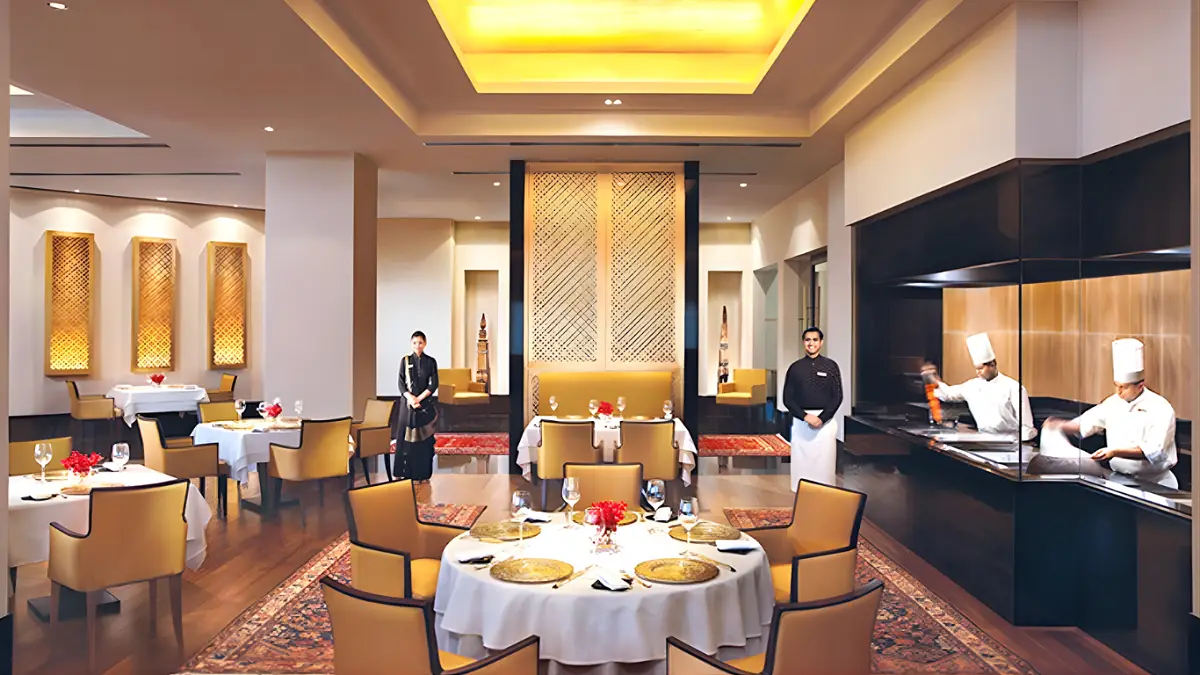
New Delhi, April 2026: India’s hotel sector is undergoing a structural shift as operators increasingly rely on food and beverage, events, and wellness services, with non-room revenue contributing up to 60% of total earnings in tier II and III cities, according to a joint report by Hotelivate and STR.
The findings highlight a move away from traditional room-centric business models, with hotels across segments repositioning themselves as multi-functional spaces designed to generate revenue from diverse sources beyond accommodation.
Non-room revenue reaches up to 60% in smaller cities
The report indicates that non-room revenue streams—including restaurants, banquets, events, and spa services—are becoming central to profitability, particularly in emerging markets. In tier II and III cities, these segments account for as much as 60% of total hotel revenue, underscoring a major transformation in asset utilisation.
This shift reflects changing consumer behaviour, where guests increasingly seek experiences that combine dining, social interaction, and wellness alongside traditional lodging. As a result, hotels are diversifying their offerings to maximise returns from both in-house guests and local clientele.
Hotels evolve into integrated experience hubs
Hotels in India are being developed as integrated destinations rather than standalone accommodation providers. New and existing properties are incorporating multiple food and beverage outlets, banquet facilities, and wellness amenities as core components of their design.
Even budget and midscale properties are aligning with this trend, adding features typically associated with higher-end hotels. On average, Indian hotels operate more than one restaurant, reflecting strong domestic demand for dining-led experiences and social engagement within hotel environments.
This model contrasts with many global markets, where limited food and beverage infrastructure is common in lower and midscale segments. In India, however, such facilities are increasingly seen as essential for competitiveness and revenue diversification.
Weddings and events drive year-round demand
A key factor supporting the rise of non-room revenue is India’s large and expanding weddings and social events market. Hotels are positioning themselves as venues for celebrations, conferences, and gatherings, ensuring consistent utilisation of spaces beyond guest rooms.
Banquet halls, meeting rooms, and outdoor event venues have become standard features across hotel categories. These facilities enable properties to tap into high-value event-driven demand, generating revenue independent of occupancy levels.
This trend has also strengthened weekday and off-season performance, as corporate events and social functions help balance fluctuations in leisure and business travel demand.
Development strategies shift toward amenity-heavy models
The report is based on a survey of nearly 600 hotels across 150 cities, representing approximately 40% of India’s organised hotel inventory. The data suggests that developers are increasingly prioritising larger public areas, multiple dining venues, and wellness facilities in new projects.
This approach reflects a broader industry strategy to align with evolving guest expectations while enhancing revenue potential. By designing hotels with diversified offerings, operators can attract both in-house guests and local residents, effectively expanding their customer base.
The integration of these elements also supports higher overall asset value, as properties are able to generate income from multiple streams rather than relying solely on room sales.
Room pricing influenced by bundled offerings
As hotels continue to invest in additional amenities and services, the report notes that room rates are unlikely to soften in the near term. The inclusion of dining, event access, and wellness experiences is increasingly being factored into pricing strategies.
This shift positions the hotel stay as a bundled product, where the room serves as one component of a broader experience. Guests are effectively paying for access to a range of facilities and services, rather than just accommodation.
The evolving pricing structure reflects the industry’s transition toward value-driven offerings, where experiential elements play a key role in shaping perceived value and willingness to pay.
Overall, the findings indicate that India’s hospitality sector is redefining its operational model, with non-room revenue streams emerging as a critical driver of growth and long-term sustainability.