AirJapan Continues Operations Despite Brand Termination
AirJapan continues operating flights for parent ANA despite brand termination, maintaining services as restructuring unfolds.
 Jishan Khan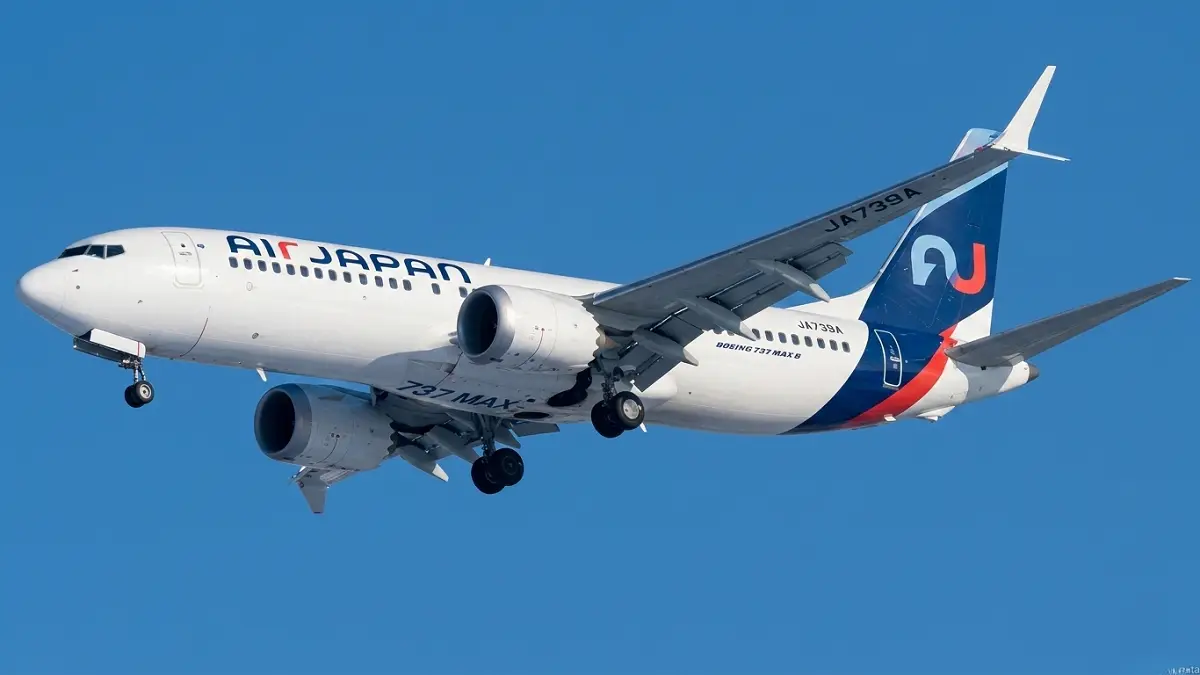
AirJapan has continued operating flights on behalf of its parent company (ANA), despite the termination of its standalone brand, highlighting a transitional phase in the group’s restructuring strategy.
The airline remains active operationally, supporting ANA’s network while undergoing brand-level changes. The development underscores a broader shift within the ANA Group as it realigns its subsidiary operations to better match evolving market conditions and strategic priorities.
Operational Continuity After Brand Exit
Although the AirJapan brand has been discontinued, the carrier has not ceased flight operations. Instead, it continues to function within the ANA Group framework, operating services that contribute to the parent airline’s overall capacity and network coverage.
This approach allows ANA to retain operational flexibility while phasing out a brand that no longer aligns with its long-term positioning. By maintaining AirJapan’s operational role, the group avoids immediate disruptions to flight schedules and resource allocation.
The continuation of services suggests that the termination of the brand is primarily a commercial and strategic decision rather than an operational shutdown.
Strategic Role Within ANA Group
AirJapan has historically served as a subsidiary within ANA’s broader structure, supporting specific segments of its operations. Its ongoing activity indicates that its aircraft, crew, and operational capabilities remain integral to the group’s functioning.
For ANA, retaining AirJapan’s operational capacity provides continuity during a period of adjustment. This is particularly relevant as airlines globally continue to refine their business models in response to shifting demand patterns and competitive pressures.
The restructuring reflects a common industry trend where airline groups streamline branding while preserving operational assets to maintain efficiency.
Industry Context and Market Dynamics
The decision to terminate a brand while continuing operations aligns with wider practices in the aviation sector, where airline groups often consolidate branding to reduce complexity and strengthen market identity.
At the same time, maintaining operational activity ensures that valuable resources such as aircraft and trained personnel are not sidelined. This balance is critical in an environment where capacity management and cost control remain key priorities.
AirJapan’s situation illustrates how airlines can separate branding decisions from operational realities, enabling a smoother transition without immediate impacts on service delivery.
Implications for Network and Capacity
By continuing to operate flights, AirJapan contributes to ANA’s overall network stability. The arrangement helps sustain route coverage and capacity levels, particularly on services where the subsidiary had previously been deployed.
Such continuity is essential in maintaining passenger confidence and avoiding disruptions that could arise from sudden operational changes. It also allows ANA to gradually integrate or reassign resources as part of its restructuring efforts.
The ability to keep operations running while adjusting brand strategy demonstrates a measured approach to organizational change within the airline group.
Current Status
AirJapan remains operational despite the termination of its brand identity, functioning as part of ANA’s broader network. The airline continues to support its parent company’s services, indicating that its role within the group has shifted rather than ended.
The development highlights the evolving nature of airline group structures, where branding, operations, and strategy can be adjusted independently to meet changing market demands. For ANA, the move represents a step toward streamlining its portfolio while maintaining operational resilience.