BOC Aviation to Buy 12 Airbus A320neos for Avianca
BOC Aviation will buy 12 Airbus A320neos for Avianca, using its liquidity to secure aircraft amid long delivery timelines and production constraints.
 Jishan Khan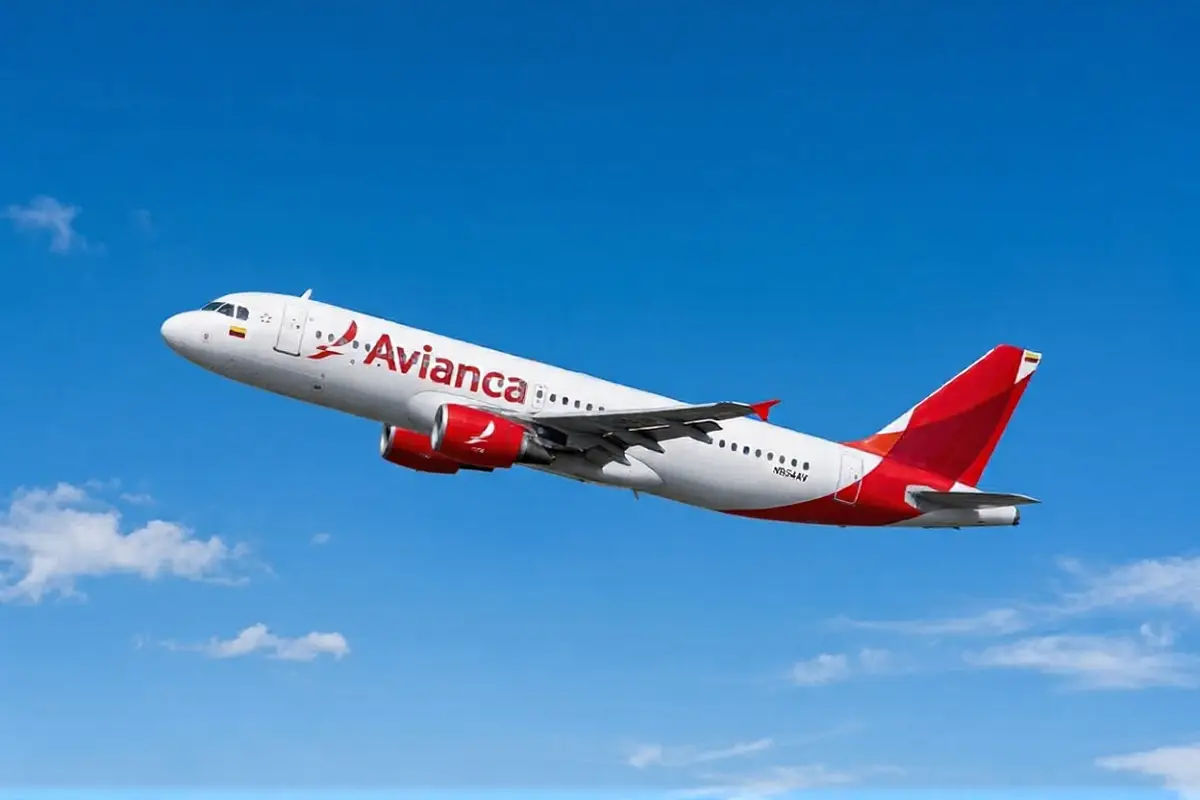
Avianca's 12 New Jets Aren't Really About Avianca, They're About BOC Aviation Betting Big on a Production Bottleneck
BOC Aviation confirmed on September 10, 2026 that it has agreed to purchase 12 Airbus A320neo aircraft directly from Airbus for long-term lease to Avianca, with deliveries scheduled for 2029 and every aircraft powered by CFM International LEAP-1A engines. According to ch-aviation fleet data, Avianca already operates 49 A320neos, 10 of them leased from BOC Aviation, making this deal an expansion of an existing relationship rather than a new one. Separately, Avianca is reportedly waiting on delivery of 77 more A320neos already on order, with its current active fleet comprising 26 in-service A320neos plus a further 21 on wet lease. Whichever fleet count is most current, the picture is consistent: Avianca is mid-way through a much larger narrowbody renewal, and this transaction is one incremental piece of it, not a standalone fleet decision.
Why BOC Aviation's CEO Talked About Liquidity, Not Aircraft
The most telling quote in every version of this announcement came from BOC Aviation CEO Steven Townend, who framed the deal almost entirely around financing mechanics rather than aircraft specifications: "As aircraft production ramps up, financing pre-delivery payments is becoming increasingly important for our airline customers... Our access to significant liquidity allows us to support airline customers through transactions involving aircraft ordered several years ahead of delivery." That is a lessor CEO explaining his own business model, not describing a customer's fleet strategy, and it points to the actual mechanism making this three-year-ahead delivery slot commercially useful to Avianca at all.
Pre-delivery payments are the instalments an airline or lessor must pay Airbus in the years before an aircraft physically arrives, a standard industry practice, but one that ties up substantial capital long before the asset generates a single dollar of revenue. For an airline like Avianca, committing that capital directly, years in advance, competes with every other use of its own balance sheet, debt service, route investment, working capital. BOC Aviation, as a dedicated aircraft leasing company with access to capital markets specifically structured around exactly this kind of long-duration, asset-backed financing, can absorb that pre-delivery capital commitment more efficiently than an operating airline typically can. Townend's comment about "significant liquidity" is BOC Aviation explicitly marketing that capability as the core value proposition of this transaction, not simply "we have planes," but "we can carry the multi-year financing burden your own balance sheet would rather not carry."
Why the BOC Aviation Avianca Deal Is Being Described Two Different Ways, and What That Actually Reveals
There is a genuine inconsistency worth noting across otherwise similar coverage of this transaction. BOC Aviation's own release, ch-aviation, Aviacionline and Aviation24.be all describe this as BOC Aviation purchasing new aircraft directly from Airbus specifically for lease to Avianca, a straightforward forward-order sale-and-lease arrangement. FlightGlobal and AeroTime, however, both characterise it as a "sale-and-leaseback" a materially different structure in which Avianca itself would first own or hold rights to the aircraft, then sell them to BOC Aviation and lease them back.
That distinction is not merely semantic. A forward order placed by the lessor directly with the manufacturer means BOC Aviation is taking on new fleet exposure and betting on future demand for A320neo leasing capacity broadly, with Avianca simply being the airline it has pre-committed the aircraft to. A genuine sale-and-leaseback would mean Avianca had originally ordered these aircraft directly from Airbus itself, and is now monetising that order book position by selling the delivery slots to BOC Aviation for immediate capital, while retaining operational use through the leaseback. Both are common and legitimate aircraft financing structures, but they say different things about who initiated the underlying aircraft commitment, Avianca's own orderbook, or BOC Aviation's own fleet-growth strategy. The discrepancy across otherwise credible outlets suggests even the trade press is working from a press release that did not fully clarify which structure actually applies, which is itself a small but genuine reminder that aircraft financing terminology gets used loosely even in specialist coverage.
Why 2029 Deliveries Still Matter for a 2026 Announcement
A three-year lead time between announcement and delivery might read as a low-urgency story, but it fits a pattern this feed has now documented across nearly every major aircraft order this year, from Vietravel's 50-jet LOI with deliveries starting 2029, to Riyadh Air's Boeing commitments, to flynas's 235-aircraft Airbus backlog. Airbus's own production constraints, driven substantially by the same Spirit AeroSystems supply chain disruption this feed covered in detail during the A350F delay story, mean airlines and lessors placing orders today are routinely quoted delivery slots three to five years out, regardless of how urgently the aircraft might otherwise be needed. Locking in a 2029 slot now, while Avianca's broader network growth plans are still maturing, is less a statement about immediate fleet need and more a recognition that waiting to order until the need becomes acute would simply push the eventual delivery date even further out.
What Abra Group Is Actually Building Across the Region With Avianca
Francisco Raddatz, Abra Group's Chief Procurement Officer, framed the deal in terms consistent with statements this feed has tracked from Avianca's own INSIGNIA business-class expansion earlier this year: "Access to modern, fuel-efficient aircraft is critical to strengthening connectivity, improving operational efficiency, and ensuring we are well positioned to serve the evolving needs of our customers in Latin America." Abra Group, the holding company also encompassing GOL in Brazil, has been running a coordinated fleet modernisation and premium product strategy across its constituent airlines, with the earlier INSIGNIA cabin rollout on Avianca's New York routes and GOL's parallel Rio-New York service demonstrating a group-level pattern of upgrading hard product and fleet efficiency simultaneously across its Latin American portfolio, rather than treating each airline's fleet decisions in isolation.
Twelve additional A320neos delivered in 2029 will not transform Avianca's network overnight, but they extend a fleet renewal programme that ch-aviation's own data shows already running at meaningful scale, dozens of A320neos already active, dozens more on order, and a leasing relationship with BOC Aviation now deep enough that this marks an expansion rather than a first-time engagement. For an airline group explicitly trying to compete with Gulf and North American carriers on transatlantic and transcontinental premium product, as this feed's INSIGNIA coverage documented, having a modern, fuel-efficient, cost-competitive narrowbody core to feed that premium widebody network is the less visible but equally necessary half of the strategy.