Mexico international flights 2027: New Routes Revealed
Discover how Aeroméxico, Breeze, and Air Europa are revolutionizing travel with new 2027 Mexico international flights to Milan, Paris, and Nassau.
 Travel Desk
Latest on Mexico International Flights: Milan Gets Connected to Paris, Nassau and More as Aeroméxico, Breeze Airways, and Air Europa Launch Major 2027 Expansion Routes The global aviation industry is currently experiencing a transformative era, with the growth of mexico international flights serving as a catalyst for significant changes in transcontinental travel and tourism. These developments highlight a period of unprecedented network expansion driven by major carriers optimizing their widebody capacity. This 2027 aviation expansion represents a strategic shift in how airlines manage regional hubs and long-haul connections. By leveraging advanced, fuel-efficient aircraft, carriers are bridging continents with newfound ease.
These developments are essential for strengthening trade ties and boosting tourism across the latin american aviation sector.
Strategic Growth in Mexico International Flights
The aviation sector is currently seeing a profound structural evolution defined by record-breaking route rollouts. Official data highlights how these network additions serve as a cornerstone of national economic recovery and long-term strategy. Airlines are now capitalizing on modern fleets to secure critical slots at both primary and secondary airports. The planning behind these new connections involves careful coordination between federal authorities and global airport operators.
By optimizing infrastructure, these carriers ensure that their route networks remain both profitable and sustainable. This collaborative approach allows for a seamless integration of new transatlantic and regional corridors.
Key elements of this development include
- Deployment of modern, fuel-efficient aircraft fleets for long-haul routes.
- Enhanced coordination between federal authorities and global airport operators.
- Increased frequency of service to secondary regional hubs.
Airline Innovations and Market Expansion
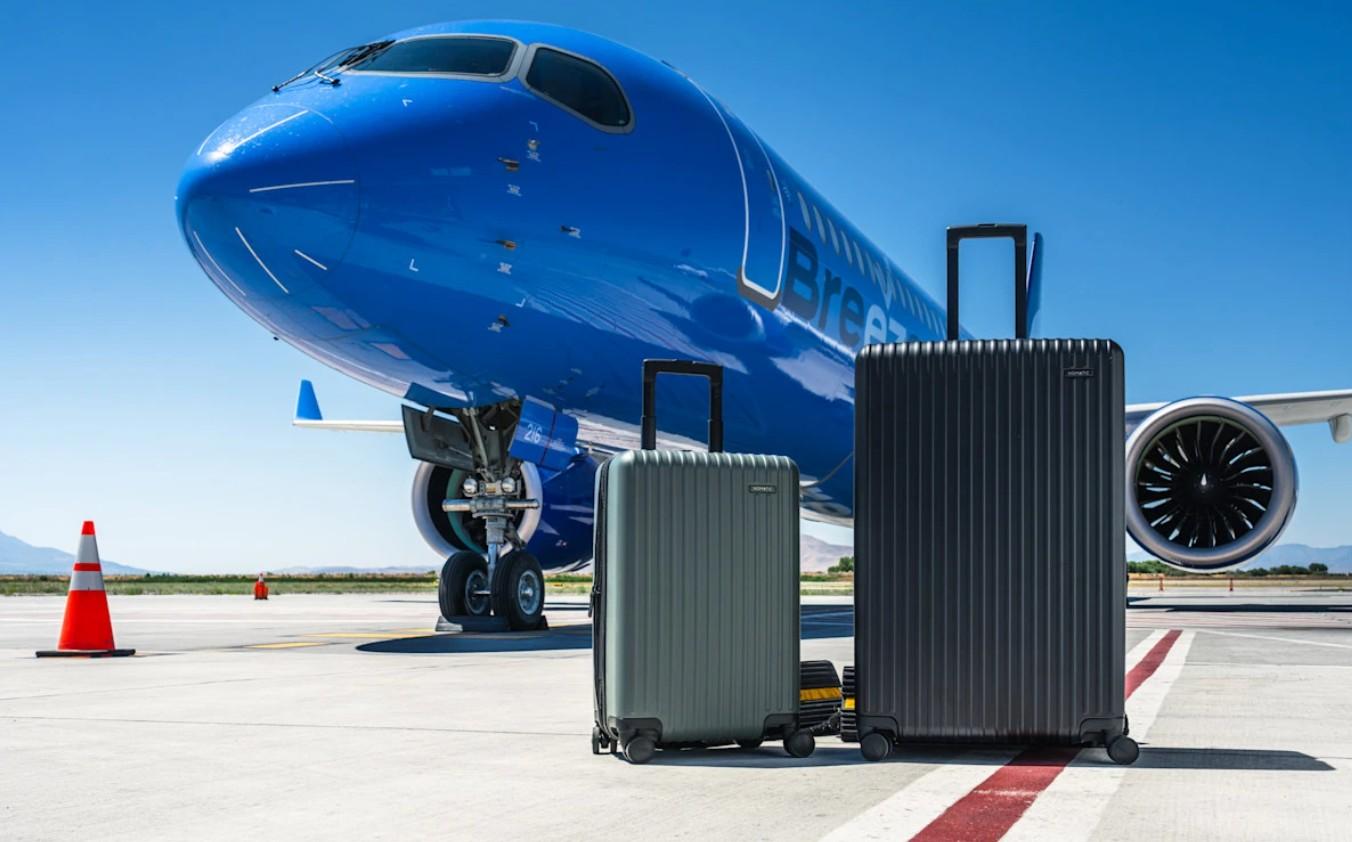
Market leaders are aggressively pursuing growth through diverse operational strategies. We see Aeroméxico network growth accelerating as the airline strengthens its presence in Europe and beyond. Simultaneously, Breeze Airways expansion focuses on capturing new demand through innovative network planning.
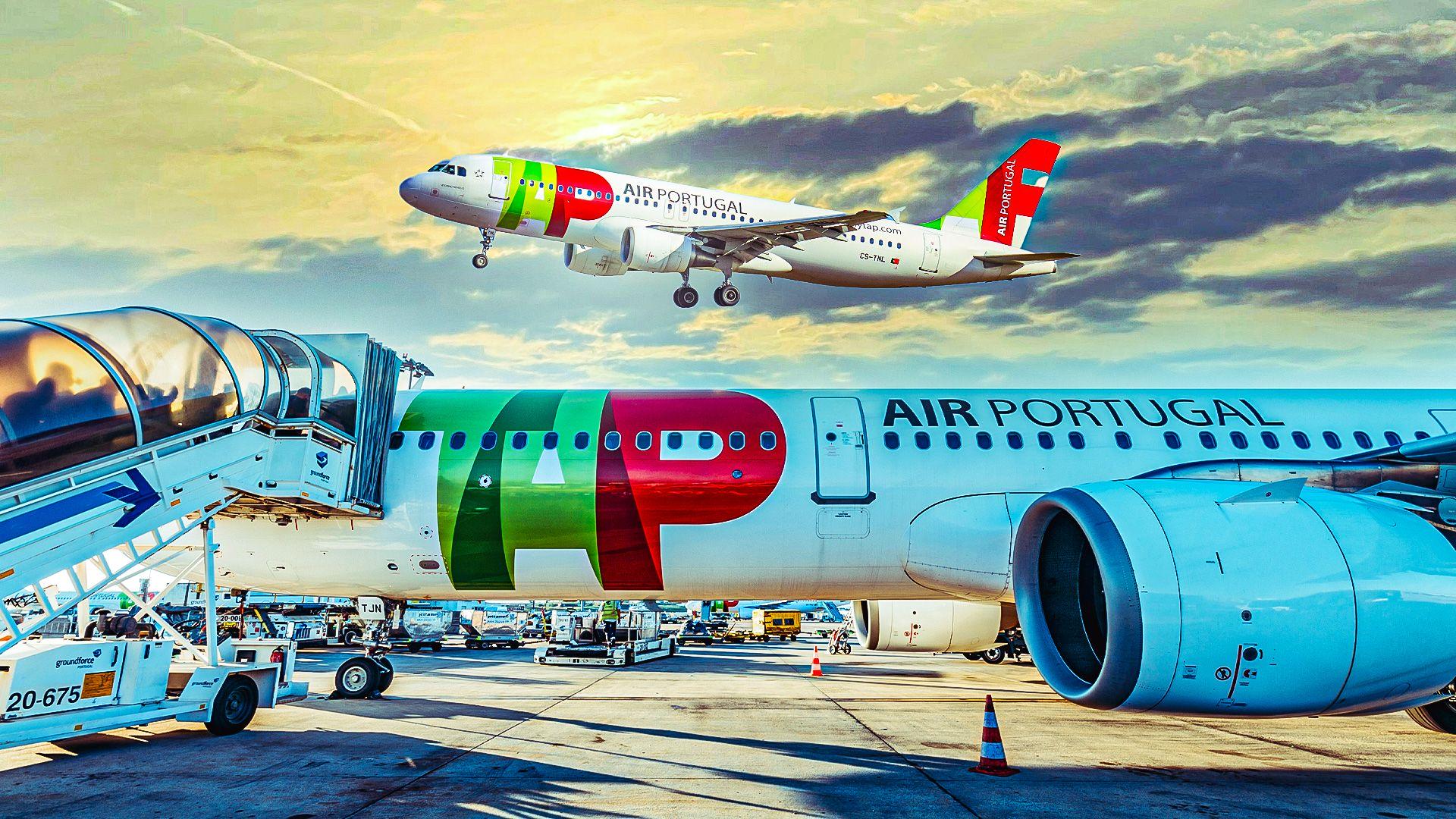
Air Europa new routes
further diversify the options available to travelers seeking direct European connectivity. These airlines are moving beyond traditional gateways to explore untapped potential in various global markets. Consequently, the competition for international connectivity is driving better service and increased capacity for passengers.
The Evolution of Connectivity
Historically, air travel in this region relied heavily on traditional North American gateways. Emerging trade agreements provided a foundation, but the industry is now moving toward broader horizons. Liberalized air service agreements have allowed carriers to rethink their traditional network strategies. These regulatory changes have paved the way for robust growth pipelines scheduled for the 2027 season.
Modern infrastructure investments are ensuring that airports can handle the increased volume of global traffic. This shift marks a departure from restricted frequencies to a model of high-frequency, global connectivity.
Future Outlook for Global Travel
The outlook for the next few years remains highly optimistic for both carriers and passengers. As airlines finalize their schedules, the impact of these expanded networks will become increasingly visible. Constant monitoring of these aviation developments will be vital for stakeholders navigating this changing landscape. Strategic planning and infrastructure investment will continue to define the success of these new routes.
Travelers can expect more efficient connections and improved accessibility to international destinations. This era of aviation renaissance promises to reshape the future of global tourism and trade. In conclusion, the integration of new routes by major carriers signifies a bold step forward for the industry. Through careful planning and fleet modernization, the market is poised for long-term success.
These advancements ensure that global connectivity remains a top priority for the foreseeable future.
More updates
Follow the latest News and related coverage.