FSSAI regulatory scrutiny: New compliance costs hit food sector
Food firms and quick-commerce platforms face rising costs and delays as FSSAI regulatory scrutiny expands across India's supply chain. Read more.
 Ahmed Mainul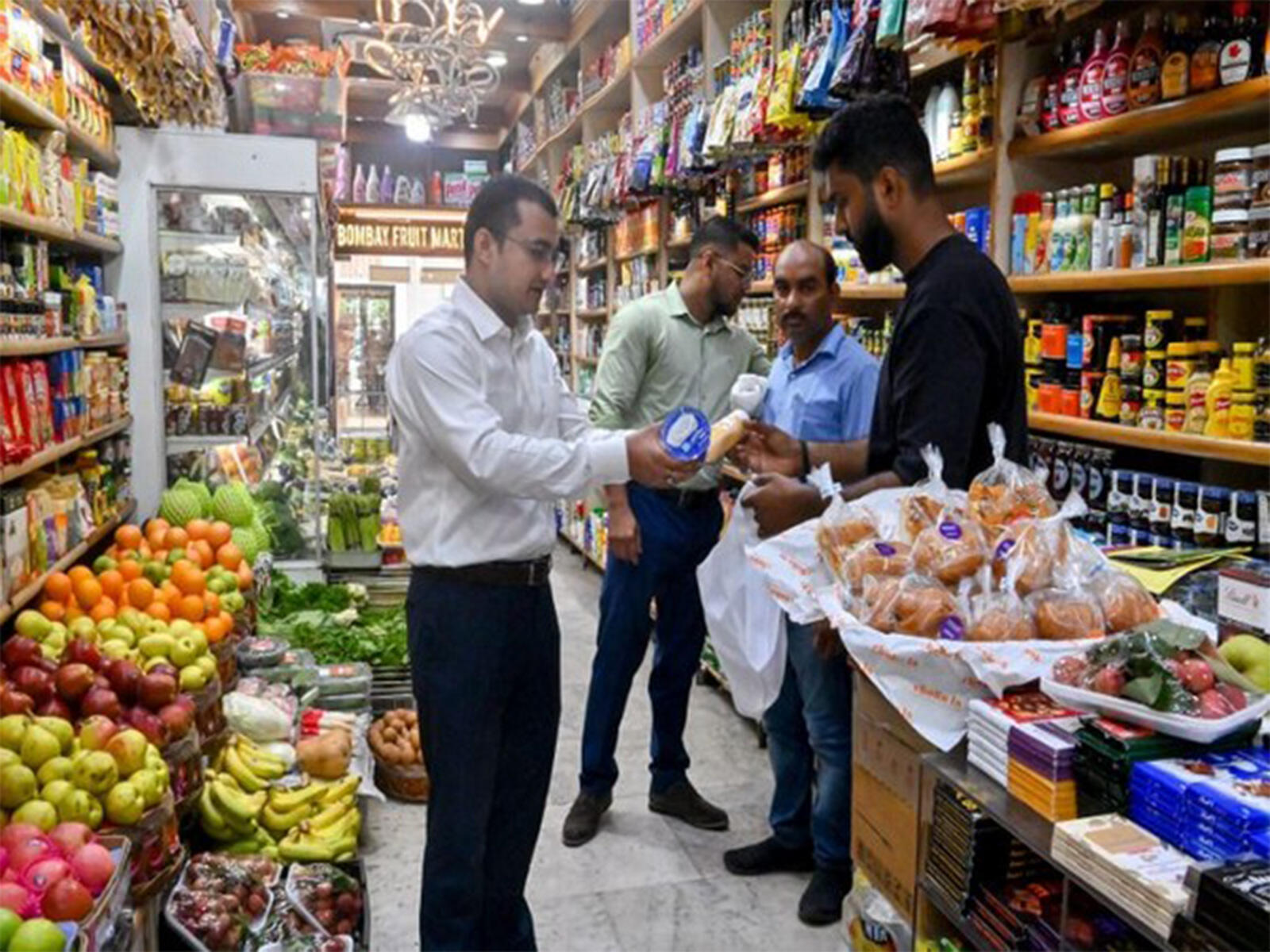
Intensified Oversight: FSSAI Tightens Grip on India’s Food Sector
Leading food manufacturers and rapid delivery services are bracing for a period of heightened oversight as fssai regulatory scrutiny intensifies across the nation. A recent analysis indicates that these firms will likely encounter significant operational hurdles and increased financial burdens. Analysts suggest that the shift toward more rigorous monitoring will fundamentally alter how these entities manage their business models.
Evaluating the Impact of FSSAI Regulatory Scrutiny
The latest jefferies food report highlights that the regulatory environment is undergoing a major transformation. Companies must now prepare for more frequent and comprehensive fssai inspection protocols. This move aims to bolster public health by ensuring that all market participants adhere to standardized protocols.
Rising compliance costs are expected to impact the bottom line for many stakeholders. These expenses stem from the need for enhanced infrastructure and specialized personnel to manage food safety compliance. Furthermore, the industry anticipates potential delays in supply chain operations as fssai regulatory scrutiny becomes the new baseline.
Navigating New Food Supply Chain Rules
Modernizing the distribution network has become a necessity under the evolving food supply chain rules. Quick-commerce platforms are particularly vulnerable to these changes due to their fast-paced delivery models. Experts believe that achieving alignment with these mandates will require significant capital investment.
Key areas currently under the spotlight include
- Enhanced storage facility hygiene standards.
- Stricter verification of third-party food vendors.
- Improved traceability for perishable goods.
- Comprehensive staff training on safety protocols.
Meeting these requirements is no longer optional for rapid delivery providers. As quick commerce regulations continue to tighten, firms must balance speed with mandatory safety checks. Consistent fssai regulatory scrutiny ensures that consumer protection remains the primary focus of these logistics networks.
Compliance as a Strategic Priority
Maintaining market access now hinges on a company's ability to navigate complex fssai regulatory scrutiny effectively. Many businesses are currently auditing their internal processes to mitigate risks. Proactive alignment is essential to avoid penalties or operational disruptions.
Increased fssai regulatory scrutiny creates a more standardized marketplace for all players. While the initial transition involves high costs, it fosters long-term consumer trust. Leaders in the sector must adapt quickly to maintain their competitive edge.
The demand for transparency across the food ecosystem is clearly growing. Frequent fssai regulatory scrutiny serves as a mechanism to enforce this transparency among large and small companies alike. Investors are closely monitoring how well these firms adapt to the changing landscape.
Ultimately, the focus on safety is reshaping the industry’s future. Companies that prioritize food safety compliance will likely emerge as stronger, more reliable entities. While the burden of fssai regulatory scrutiny is significant, it serves as a critical pillar for a secure and healthy food market.
More updates
Follow the latest News and related coverage.