Al Jaddaf Rotana Complex Sustainability Earns Recognition
Al Jaddaf Rotana Complex sustainability efforts earn Green Key, Travelife, and Dubai Sustainable Tourism recognition across its Dubai properties.
 RUKAIYA KADIWAL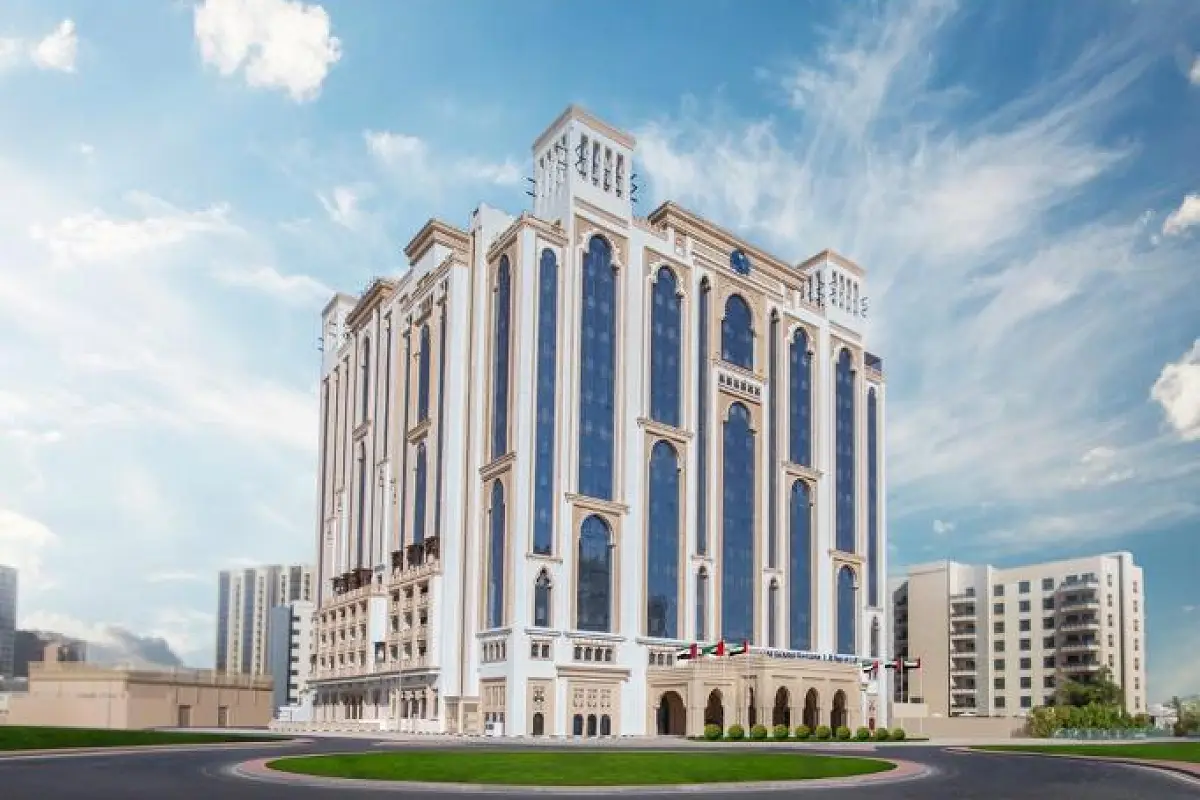
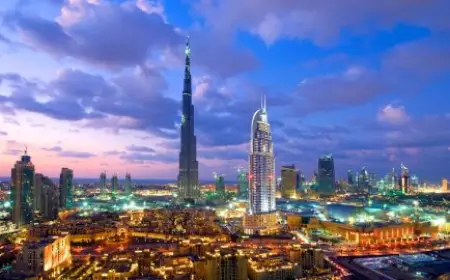
Al Jaddaf sits in the kind of Dubai neighborhood that resists easy description, close enough to the historic creek to feel tied to the city's older rhythms, yet surrounded by the steady construction and commerce that define its newer districts. It is a business and lifestyle community built on that connection, and it is here that a hotel complex has spent the past two years quietly reworking how it operates, one certification, one waste stream, one energy reading at a time.
Al Jaddaf Rotana Complex sustainability efforts have now been formally recognized, with its Dubai properties earning Green Key, Travelife, and Dubai Sustainable Tourism certifications tied to measurable environmental progress rather than aspirational commitments alone.
Three Properties, Three Milestones
The recognition spans the Complex's full portfolio rather than a single flagship property. Al Jaddaf Rotana Suite Hotel achieved Green Key Certification alongside the Dubai Sustainable Tourism Silver Award, the highest tier among the Complex's current achievements. Arabian Park and Park Apartments, both operating under the Edge by Rotana brand, achieved Travelife Certification along with the DST Bronze Award, marking a parallel but distinct sustainability path across the Complex's other two properties.
The timeline behind these achievements reveals a deliberate progression rather than a single announcement. Arabian Park and Park Apartments earned their Travelife Certification in 2025, followed by their DST Bronze Award, while Al Jaddaf Rotana Suite Hotel's Green Key Certification and DST Silver Award arrived in 2026, suggesting a Complex-wide sustainability strategy that built momentum property by property rather than pursuing all three certifications simultaneously.
What the Numbers Actually Show
Behind the certifications sit figures that move beyond symbolic gestures into measurable operational change. In 2025, Al Jaddaf Rotana Suite Hotel recorded a 9.2 percent reduction in total energy consumption compared with the previous year, while Arabian Park achieved a 5.4 percent reduction over the same period. For a hotel complex operating in a climate where cooling demands alone can dominate a property's energy footprint, reductions at this scale represent a genuine operational shift rather than a marginal adjustment.
Al Jaddaf Rotana Suite Hotel has also reached 100 percent diversion of waste from landfill, with food and general waste now processed through a Waste-to-Energy facility. That figure matters because it removes one of hospitality's most persistent environmental liabilities entirely, rather than simply reducing it, converting what would otherwise become landfill volume into a resource recovery stream instead.
Why Leadership Frames This as Responsibility, Not Achievement
Stefan Schmid, Complex General Manager at Al Jaddaf Rotana Complex, situated the certifications within a broader obligation rather than treating them as a finished accomplishment. "Sustainability is an important part of how we operate and how we contribute to the future of tourism in Dubai and the UAE," he said. "These recognitions are a meaningful validation of the progress our teams have made, but more importantly, they reinforce our responsibility to turn sustainable practices into measurable action."
Schmid's framing matters because it resists the temptation to treat a certification as an endpoint. He extended that point further, tying the Complex's efforts to a citywide ambition. "We are proud to contribute to Dubai's vision for a more sustainable tourism sector while continuing to deliver the standards of hospitality our guests expect," he said. The comment positions environmental performance and guest experience as complementary goals rather than competing priorities, a balance that has not always come easily across the hospitality industry more broadly.
Sustainability Woven Into Daily Operations
At Al Jaddaf Rotana Suite Hotel, the shift away from single-use plastics touches details easy to overlook during an ordinary guest stay. In-room amenities have moved to FSC-certified kraft paper packaging, corn starch-based products, and wheat straw fibre items, while the entire in-room dispenser set has been transitioned to wheat straw fibre, replacing what were once standard plastic units. Wooden pencils and reusable metal pens have similarly replaced their plastic equivalents throughout the property.
The same philosophy extends into food and beverage operations, where takeaway containers and packaging have shifted toward paper-based alternatives, complemented by wood-dust straws in place of plastic ones. The hotel has also introduced Green Meeting options, giving corporate guests a way to align their own events with the property's broader environmental commitments rather than treating sustainability as something confined to guest rooms alone.
A Commitment That Extends Beyond a Single Property
Arabian Park, Edge by Rotana and Park Apartments, Edge by Rotana have pursued parallel sustainability programmes covering energy and water conservation, waste management, food waste reduction, and sustainable procurement, alongside their own efforts to reduce reliance on single-use plastics. Both properties have layered community-focused initiatives into that work, reflecting a broader Complex-wide understanding that environmental responsibility and social engagement are not separate initiatives running alongside each other, but a single coordinated effort.
That coordination extends to staffing as well. Across all three properties, 100 percent of colleagues have completed required sustainability training through Rotana's RISE platform, supported by ongoing awareness and refresher initiatives. Community efforts including donation drives, linen repurposing, charitable campaigns, and employee volunteering round out a programme built to function as part of everyday operations rather than a standalone initiative pulled out for certification audits alone.
What This Signals for Dubai's Hospitality Sector
Al Jaddaf Rotana Complex's certifications arrive as Dubai continues positioning its tourism sector around sustainability credentials that extend well beyond marketing language. Programmes like Dubai Sustainable Tourism, alongside internationally recognized frameworks such as Green Key and Travelife, give hotels a structured path toward demonstrating environmental performance in terms that travelers, corporate clients, and regulators can independently verify rather than take on faith.
For a business and lifestyle district still establishing its identity within greater Dubai, having a hotel complex anchor that identity around measurable environmental progress adds a dimension to the neighborhood's development that goes beyond room counts and meeting space. Whether other properties across the city follow a similarly staged certification path, building toward Green Key rather than pursuing it as a first step, may say as much about how sustainability strategy is maturing across Dubai's hospitality sector as any single certification does on its own.
What Stays the Same Beneath the Certificates
None of these certifications change what a guest actually experiences walking into Al Jaddaf Rotana Suite Hotel's 318 rooms and suites, still furnished with pool or city views, still built around the spacious living areas and kitchenettes that have long served business and leisure travelers passing through this corner of Dubai. What has changed sits mostly out of view, in the waste stream diverted from a landfill, in the energy readings trending downward year over year, in the dispensers now made from wheat straw rather than plastic. It is, in its own quiet way, a hotel complex choosing to measure itself by what happens after the guest checks out, not only by what they saw while they stayed.
Related reading: Hard Rock Hotel Las Vegas nears its 2027 opening