Banyan Tree Residences Introduce Luxury Branded Living in Downtown Florida
Banyan Tree expands into the US with luxury branded residences in downtown Florida, targeting high-end buyers and growing demand for premium lifestyle living.
 Pratyaksha Singh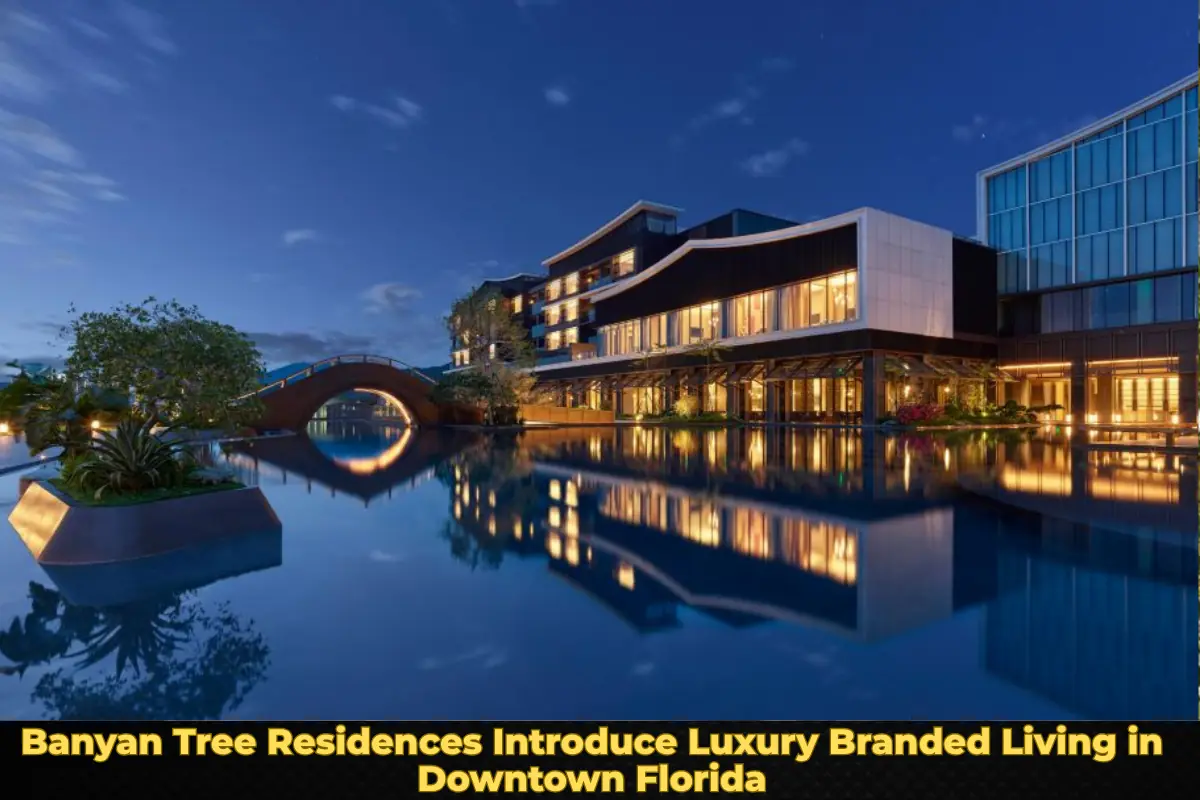
Banyan Tree Residences Introduce Luxury Branded Living in Downtown Florida
Banyan Tree has announced the launch of its branded residential project in downtown Florida in 2026, marking its entry into the United States luxury living segment as demand for high-end, hospitality-led residential developments continues to rise globally. The project aims to combine premium real estate with hotel-style services, targeting affluent buyers seeking lifestyle-driven living experiences.
The development, located in a prime urban area in Florida, reflects the growing trend of branded residences, where globally recognized hospitality brands extend their expertise into residential offerings. The move aligns with Banyan Tree’s strategy to expand its footprint in key international markets while diversifying its portfolio beyond traditional hotel operations.
Expansion into the US Market
The launch of Banyan Tree Residences in Florida represents a significant milestone for the brand as it enters the competitive US luxury real estate market. The United States has become a key destination for branded residential developments, driven by strong demand from both domestic and international buyers.
Florida, in particular, has emerged as a hotspot for luxury real estate, supported by favorable tax policies, strong migration trends, and increasing interest from high-net-worth individuals. The state’s appeal as a lifestyle destination has made it an attractive market for premium residential projects.
Banyan Tree’s entry into this market underscores its ambition to capitalize on these favorable conditions and establish a presence in North America.
Rising Demand for Branded Residences
The global market for branded residences has experienced significant growth in recent years, with buyers increasingly seeking properties that offer not only luxury but also convenience, security, and high-quality services. These developments typically provide amenities such as concierge services, wellness facilities, and access to hotel-like experiences.
Industry experts note that branded residences command a premium compared to traditional real estate due to the association with established hospitality brands. Buyers are often drawn to the promise of consistent service standards, design excellence, and long-term value.
The Florida project is expected to attract interest from investors and end-users looking for a combination of luxury living and hospitality-driven experiences.
Luxury Lifestyle Offerings
The Banyan Tree Residences in Florida are designed to offer a comprehensive luxury lifestyle, incorporating high-end amenities and personalized services. Residents are expected to benefit from features such as private lounges, wellness and spa facilities, fine dining options, and curated lifestyle experiences.
The integration of hospitality services into residential living is a key differentiator for branded residences, enabling residents to enjoy a seamless and elevated living experience. This approach caters to the evolving preferences of affluent consumers who prioritize convenience and exclusivity.
The project is positioned to meet the expectations of a discerning clientele seeking premium urban living.
Strategic Growth in Hospitality-Led Real Estate
The development forms part of Banyan Tree’s broader strategy to expand into hospitality-led real estate, a segment that has gained traction as hotel brands seek to diversify revenue streams. By leveraging its brand equity and expertise in luxury hospitality, the company aims to create value in the residential market.
Branded residences offer a complementary business model, allowing hotel operators to generate income through property sales, management fees, and long-term brand association. This approach also enhances brand visibility and customer engagement.
Banyan Tree’s move reflects a wider industry trend of convergence between hospitality and real estate.
Florida as a Key Luxury Destination
Florida continues to attract significant investment in luxury real estate, driven by its strong tourism sector, favorable climate, and growing population. Cities in the state are witnessing a surge in high-end developments, including branded residences, luxury condominiums, and mixed-use projects.
The state’s connectivity, lifestyle offerings, and economic growth have contributed to its status as a leading destination for both domestic and international buyers. The influx of wealth into the region has further fueled demand for premium properties.
The addition of Banyan Tree Residences is expected to enhance Florida’s position in the global luxury real estate market.
Competitive Landscape
The branded residences segment in the United States is becoming increasingly competitive, with several global hospitality brands launching projects in key cities. Developers are focusing on differentiation through design, location, and service offerings to attract buyers.
Banyan Tree’s strong brand identity and focus on wellness and sustainability are expected to serve as key differentiators in this competitive environment. The company’s reputation in luxury hospitality may help it capture a niche segment of the market.
Competition is likely to drive innovation and elevate standards across the sector.
Investment and Economic Impact
The development is expected to contribute to local economic activity by generating employment opportunities and supporting related industries such as construction, design, and hospitality services. Large-scale residential projects often have a multiplier effect on the local economy.
Additionally, the presence of international brands can enhance the attractiveness of a destination, attracting further investment and boosting property values. The project is likely to have a positive impact on the surrounding area.
Such developments play a role in shaping urban growth and infrastructure development.
Challenges and Market Risks
Despite strong demand, the luxury real estate market faces challenges including economic uncertainty, interest rate fluctuations, and potential shifts in buyer sentiment. Developers must navigate these factors while ensuring project viability and maintaining quality standards.
Regulatory requirements and environmental considerations also play a critical role in project execution. Ensuring compliance and sustainability will be key to the success of the development.
Banyan Tree’s experience in global markets is expected to support its ability to manage these challenges effectively.
Future Outlook
The launch of Banyan Tree Residences in Florida signals continued growth in the branded residences segment, with more hospitality companies expected to explore similar opportunities. The convergence of hospitality and real estate is likely to shape the future of luxury living.
As consumer preferences evolve, demand for integrated lifestyle offerings is expected to remain strong. Developers and operators will need to innovate to meet these expectations and stay competitive in the market.
The Florida project represents a step forward in Banyan Tree’s global expansion strategy.
Conclusion
Banyan Tree’s entry into the US market with its Florida residences highlights the growing demand for branded luxury living, as hospitality companies increasingly expand into real estate to capture new growth opportunities.